

When it comes to plastic part manufacturing, injection molding, and 3D printing are two leading technologies.
This article will compare them based on key factors like costs, production volumes, design complexity, and material strength, helping you choose the right method for your project.

Curious about which method suits your needs?
Stick around as we dive into the pros, cons, and best uses of each, so you can make an informed decision for your manufacturing process!
What is Injection Molding?

Injection molding is a manufacturing process where molten plastic is injected into a pre-designed mold, cooled, and then solidified into the desired shape.
It’s widely used for mass production because once the mold is made, thousands of identical parts can be produced quickly and efficiently.
From car parts to consumer electronics, injection molding is a go-to choice for high-volume production, delivering parts with precise detail and excellent surface finish.
It’s perfect for projects where durability and consistency matter.
Plus, injection molding supports a broad range of materials, including thermoplastics, elastomers, and resins, giving manufacturers plenty of options depending on the part’s needs.
What is 3D Printing?
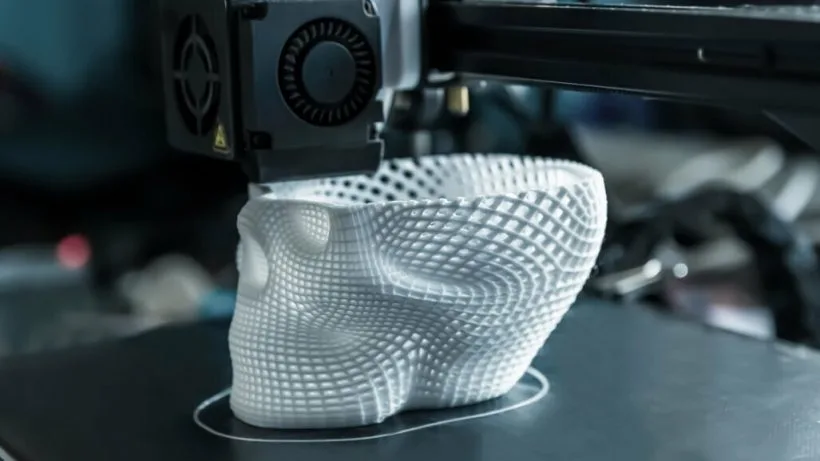
3D printing, or additive manufacturing, builds parts layer by layer from a digital file.
This method uses a variety of techniques—such as Fused Deposition Modeling (FDM) and Stereolithography (SLA)—to create three-dimensional objects from materials like plastics, resins, or even metals.
Unlike injection molding, 3D printing doesn’t require molds, making it ideal for rapid prototyping, small production runs, and complex designs.
It’s especially great for projects with frequent design changes or highly intricate parts that would be challenging to create with traditional methods.
The flexibility and speed of 3D printing have made it a popular option for industries like healthcare, aerospace, and custom manufacturing.
Quick Overview: Injection Molding vs. 3D Printing

Detailed Comparison: Injection Molding vs. 3D Printing
#1 Lead Times: Which Process is Faster?
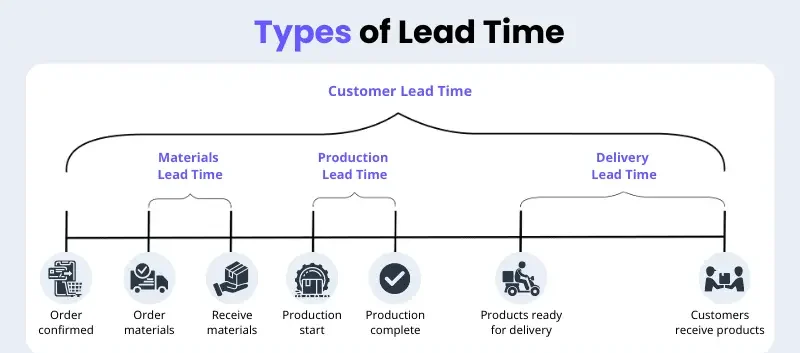
3D printing offers faster lead times as it skips the tooling process.
This makes it ideal for rapid prototyping and design iteration, with parts ready in just a few days.
Its quick setup allows for flexibility and speed, which is perfect for low-volume production.
Injection molding has longer lead times due to the mold creation process, which can take weeks.
However, once the mold is made, the production speed increases dramatically, making it a great option for high-volume runs.
While slower to start, injection molding excels in mass production efficiency.
#2 Setup Costs and Production Volumes: Low vs High

Injection molding requires a significant upfront investment due to the cost of creating molds, which makes it best suited for high-volume production.
Once the mold is made, the cost per part drops significantly, making it ideal for producing thousands of parts at a lower overall cost.
3D printing, however, has minimal setup costs since no tooling is required.
It’s a cost-effective option for low-volume runs and prototypes, as you can print just a few parts without incurring major expenses.
This makes it perfect for custom designs or small production batches.
There’s a crossover volume where injection molding becomes more economical than 3D printing.
Typically, if you’re producing more than a few hundred to a thousand parts, injection molding’s lower per-part cost outweighs the initial investment.
#3 Design Complexity: Flexibility vs Limitations

3D printing thrives when it comes to handling complex, intricate designs.
Its layer-by-layer approach allows for shapes that would be impossible or highly costly with traditional methods, like intricate lattices or spoke designs.
This flexibility makes it perfect for innovative geometries, offering designers the freedom to experiment without worrying about structural constraints.
In contrast, injection molding requires molds, which come with design limitations.
Features like right angles or thin walls can be challenging and require careful consideration to ensure proper mold ejection and part stability.
While great for high-volume production, injection molding doesn’t offer the same design flexibility as 3D printing.
#4 Material Options and Part Strength

Injection molding supports a wide range of materials, including fiber-filled and glass-filled resins, which add strength and durability.
This process produces stronger, more uniform parts because the molten material is injected in one continuous flow, making it ideal for parts that need to withstand heavy use or pressure.
3D printing, while improving, still offers fewer material options compared to injection molding.
Parts are built layer by layer, which can create weak points between those layers.
However, advanced 3D printing technologies like PµSL are making strides in producing stronger, more durable parts, though they still can’t fully match the strength of injection molding.
#5 Surface Finish: Smoothness and Post-Processing

Injection molding naturally produces smooth, high-quality finishes because the molten material fills the mold entirely, creating a uniform surface.
Most parts come out of the mold ready to use without additional finishing, making it ideal for projects where surface quality is critical.
3D printing, on the other hand, often leaves visible layer lines that result in a rough surface.
Post-processing, such as sanding or polishing, is usually required to achieve a smooth finish.
While effective for prototypes, this extra step can add time and cost, especially if aesthetics are important.
#6 Customization and Design Iteration
3D printing is the go-to method for customization and quick design iteration.
With no need for molds, designers can easily make adjustments and print multiple variations in a short time.
This flexibility is ideal for prototypes, one-off designs, or small batches that require unique specifications, offering unmatched adaptability in manufacturing processes.
Injection molding, on the other hand, is far less flexible. Once a mold is created, making design changes becomes both expensive and time-consuming, often requiring the creation of a new mold.
While excellent for large-scale production where the design is finalized, injection molding is not practical for projects needing frequent design adjustments.
#7 Part Size and Tolerances

Injection molding is excellent for producing larger parts with extremely tight tolerances.
This process enables the production of high-precision parts that maintain consistent quality, even in large quantities.
For industries like automotive or medical devices, where size accuracy and uniformity are critical, injection molding is the top choice.
3D printing is generally better suited for smaller parts, although new technologies have improved its range.
However, the tolerances in 3D printing tend to be looser, and precision can vary depending on the material, printer quality, and printing method used.
While fine for prototypes, it may not meet the strict tolerance demands of high-precision industries.
#8 Material Wastage and Sustainability
Injection molding is highly efficient when it comes to minimizing material waste, as it only uses the exact amount needed to produce each part.
This leads to minimal excess material, making it a more sustainable option for large-scale manufacturing, especially when compared to other production methods.
3D printing tends to produce more waste, particularly from support structures that are required during the printing process, as well as potential failed prints.
While some materials can be reused or recycled, the overall waste output can increase for larger production runs, making it less sustainable than injection molding for high-volume production.
#9 Best Use Cases for Each Method
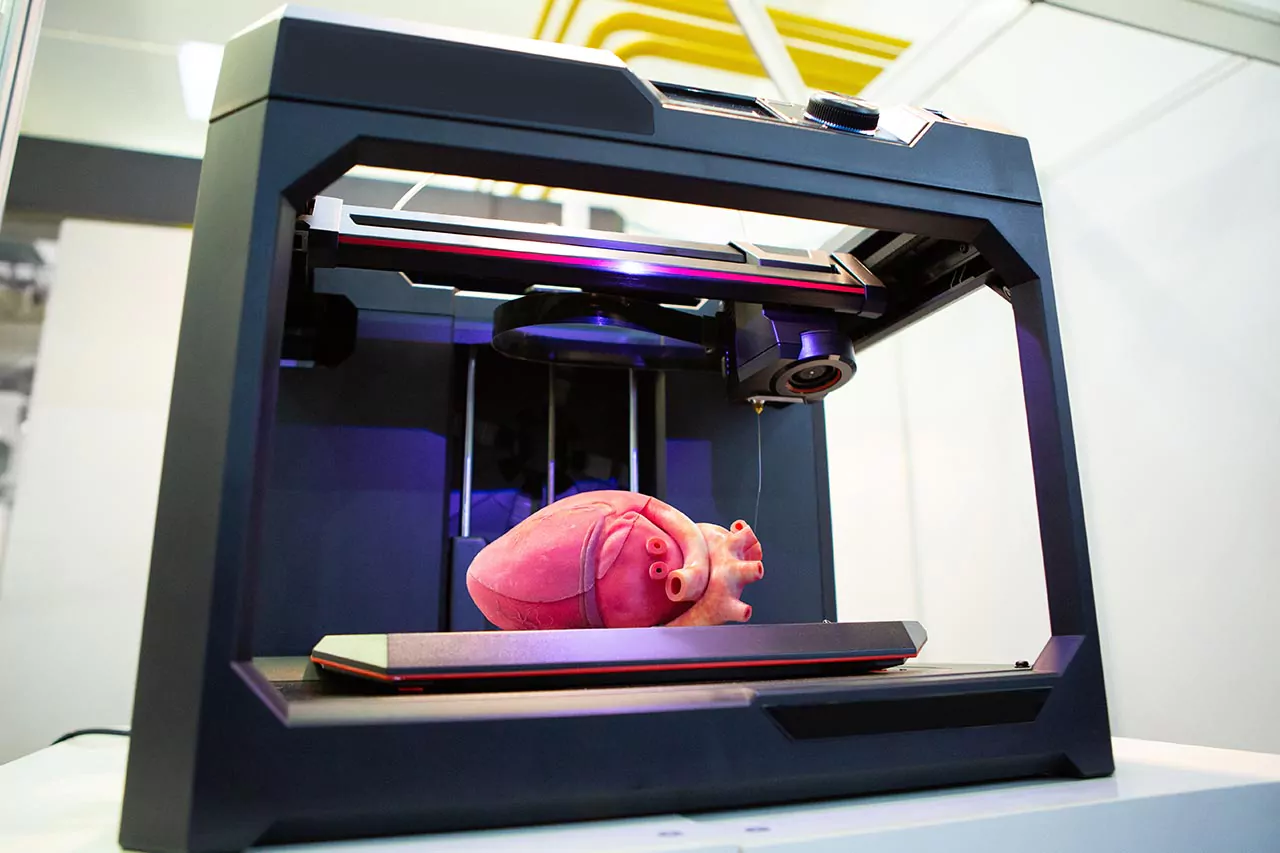
3D printing is a perfect fit for industries that require rapid prototyping, custom designs, and low-volume production.
It’s widely used in healthcare for creating custom medical devices like prosthetics or dental appliances, as well as in aerospace for manufacturing lightweight, intricate components.
The ability to iterate quickly makes it ideal for projects still in the design phase or requiring frequent updates.
Injection molding shines in industries that demand mass production of durable parts.
The automotive industry, for example, relies heavily on injection molding to produce thousands of identical parts like bumpers, dashboards, and interior components.
Similarly, consumer electronics manufacturers use injection molding for large-scale production of plastic housings and cases, where precision and strength are critical.
Choosing the Right Process

Both injection molding and 3D printing have their unique strengths, and the best choice depends entirely on your project’s specific needs.
If you’re looking for mass production with strong, precise parts and a smooth finish, injection molding is the go-to option.
For rapid prototyping, customization, and complex designs, 3D printing offers unmatched flexibility and speed.
Instead of choosing one over the other, consider using a hybrid approach.
Many industries begin with 3D printing for early-stage prototypes and move to injection molding once the design is finalized for large-scale production.
By combining both methods, you can achieve cost-efficiency, speed, and high-quality production tailored to your project’s evolving needs.
FAQs: Injection Molding vs. 3D Printing
Conclusion

Both injection molding and 3D printing offer unique advantages that can greatly benefit different stages of product development.
Understanding the strengths of each method helps ensure the most efficient, cost-effective solution for your project, whether you’re focused on speed, design flexibility, or production volume.
Ready to implement the best manufacturing process?
Dive deeper into your project’s specific requirements and explore how each method can streamline your production.
The right choice will ultimately maximize your efficiency and deliver the best results!


 English
 Arabic
 German
 Spanish
 French
 Italian
 Javanese
 Korean
 Portuguese
 Russian
 Hindi
 Chinese
