

CNC machining has revolutionized modern manufacturing, making it possible to create precise and complex parts efficiently.
It’s a technology that industries rely on to produce everything from simple components to intricate, high-precision parts used in aerospace and medical devices.

The number of axis in a CNC machine—3, 4, or 5—plays a crucial role in determining the machine’s capabilities.
Each axis type offers unique advantages, affecting the level of detail, speed, and range of materials that can be machined.
In this guide, we’ll explore how these axis variations impact manufacturing capabilities and help you determine which is best suited for your needs.
What is CNC Machining?

CNC (Computer Numerical Control) machining is a manufacturing process that uses automated, computer-controlled machines to shape parts from materials like metal, plastic, and wood.
By following pre-programmed instructions, CNC machines can precisely cut, drill, and finish materials, allowing manufacturers to produce complex designs with high accuracy.
Key Advantages of CNC Technology
CNC machining offers unmatched precision, making it ideal for industries where accuracy is essential, such as aerospace and medical manufacturing.
It also boosts efficiency, as automated controls enable faster production with minimal human intervention.
The flexibility of CNC machines means they can be adapted to various applications, providing versatility that traditional methods lack.
Understanding Axis in CNC Machining

In CNC machining, an axis refers to the direction in which the cutting tool or workpiece can move.
Basic machines operate along three linear axes—X, Y, and Z—allowing movement from left to right, front to back, and up and down.
These directions define the tool’s motion, which is essential for shaping the material accurately.
Importance of Additional Axis
When additional axes, like the 4th and 5th, are added, CNC machines gain rotational movement around the X, Y, or Z axes, enabling more complex machining capabilities.
This flexibility allows for intricate cuts on multiple sides of the workpiece without repositioning, enhancing both precision and production efficiency in advanced applications like aerospace and medical manufacturing.
Detailed Comparison of 3-Axis, 4-Axis, and 5-Axis CNC
#1. 3-Axis CNC Machining

Let’s start with the basics.
A 3-axis CNC machine is straightforward but effective, moving along three axes: X, Y, and Z.
This setup lets the tool move back and forth, side to side, and up and down.
For many manufacturers, 3-axis CNC machining is the go-to choice for creating simple and flat parts, making it ideal for projects with uncomplicated designs or high production volumes.
Capabilities and Limitations:
In 3-axis machining, the tool remains fixed at a specific angle throughout the process, making it ideal for parts that don’t require intricate details or undercuts.
It’s a great fit for simpler parts, like basic housings, panels, and enclosures, but it’s not ideal for complex shapes or features with multiple angled surfaces.
Best Uses:
3-axis CNC machining is most effective for producing flat surfaces and drilling holes that align with one axis.
It’s popular in industries that require high-volume, low-complexity parts, where speed and cost efficiency are essential.
#2. 4-Axis CNC Machining

Now, let’s add another dimension. In 4-axis CNC machining, the machine incorporates a fourth axis—typically called the A-axis—which rotates the workpiece around the X-axis.
This rotational capability opens up more complex design options, allowing for multi-sided parts and angled holes to be machined without changing setups constantly.
Additional Capabilities:
With the A-axis, 4-axis machining allows the workpiece to rotate, enabling the machine to reach different angles without manual reconfiguration.
This extra movement helps to speed up the process, as parts can be machined on multiple sides in one setup.
It’s also handy for creating cylindrical shapes and angled holes.
Common Applications:
4-axis machines are commonly used for parts that need features on multiple sides, like gears, turbine blades, and shafts.
This method also enables more precise cuts on angles, making it popular for components that need high accuracy across several faces.
Advantages over 3-Axis:
Compared to 3-axis machines, a 4-axis CNC machine reduces the need for frequent setup changes, meaning less downtime and improved precision on multi-angled parts.
The fourth axis makes it easier to maintain tight tolerances, especially on cylindrical parts, and can lead to more efficient, cost-effective production.
#3. 5-Axis CNC Machining

For projects requiring the highest precision and complexity, 5-axis CNC machining is the ultimate choice.
This setup includes the original three axis plus two additional rotational axis—often referred to as the B and C axis.
Depending on the machine, rotation might occur around the tool head or the workpiece itself, allowing for intricate and precise machining from virtually any angle.
Full Range of Motion:
With a 5-axis CNC, the machine can maneuver the tool and the workpiece in complex ways, making it ideal for creating detailed and curved surfaces.
This multi-axis approach allows for single-setup machining on all sides, which minimizes errors and maximizes consistency.
High-Complexity Applications:
5-axis CNC machining is commonly used in high-stakes industries like aerospace, medical, and automotive manufacturing, where intricate designs and tight tolerances are crucial.
It’s perfect for parts like impellers, artificial joints, and custom molds that require high precision and smooth finishes.
Advantages and Challenges:
While 5-axis machines are incredibly versatile and can handle almost any part shape, they are also more complex and costly than 3- and 4-axis machines.
The setup requires advanced programming and highly skilled operators, and the machines themselves are a significant investment.
However, the precision and efficiency they bring to complex projects make them indispensable for high-end manufacturing needs.
This comparison provides a clear view of each type’s capabilities, making it easier to choose the right CNC machine for your project’s complexity, budget, and precision requirements.
Technical Comparison Chart

To make things easier, here’s a quick reference chart that compares 3-axis, 4-axis, and 5-axis CNC machines.
This table highlights essential factors like motion capabilities, efficiency, cost, precision, and best applications for each type.
Whether you’re new to CNC or exploring upgrades, this chart gives you a clear snapshot of what each machine can bring to your projects.
This breakdown helps you see at a glance which CNC machine is the best fit for your requirements.
The more axis, the more complex parts it can create, but the investment and skill required also increase.
Factors to Consider When Choosing Between 3, 4, and 5-Axis CNC
Choosing the right CNC machine setup depends on several key factors.
Let’s break down the main considerations to help you decide which axis setup best meets your production goals and budget.
Part Complexity and Geometry

One of the biggest questions to ask is, “How complex is the part I need to machine?”
For simple, flat parts or those requiring basic drill holes, 3-axis CNC machines are often a perfect fit.
They’re straightforward and cost-effective, ideal for less intricate shapes.
When you’re working with multi-sided parts, angled holes, or cylindrical shapes, 4-axis CNC machines step up as a strong option.
The added A-axis gives the machine rotational capability, making it more efficient for machining features on multiple sides without needing additional setups.
For highly complex parts—think aerospace components or medical devices with curved and intricate geometries—a 5-axis CNC shines.
With the B or C rotational axis added it can access multiple angles in a single setup, delivering precision for even the most complicated designs.
Budget and Production Costs
Let’s talk cost. 3-axis machines are generally the most affordable, both in terms of initial investment and maintenance.
They’re ideal if your budget is tight or if you’re producing simpler parts that don’t need multi-axis flexibility.
4-axis machines come at a moderate price point, offering a balance between added functionality and budget.
The rotational axis saves time on multi-sided parts, potentially cutting down on labor costs for setups.
At the high end, 5-axis CNC machines require a significant investment, both in equipment cost and maintenance.
These machines are best for high-value, precision parts, where the time and labor savings from reduced setups justify the cost.
Operator Skill Requirements

Operating and programming these machines varies in complexity.
3-axis machines are relatively straightforward, requiring minimal specialized training.
This setup can be handled with basic CNC skills, which keeps training costs low.
With 4-axis machines, there’s an added layer of complexity due to the rotational axis, so operators will need some extra training for programming and setup.
For 5-axis CNC machines, advanced programming skills are crucial.
These machines involve more variables, and training in CAD/CAM software becomes essential.
Hiring or training operators with these skills may raise costs, but it is necessary to unlock the machine’s full potential.
Material Considerations

Different materials demand different CNC setups, too.
3-axis machines work well for softer materials like aluminum and plastics.
However, when machining harder materials like steel or titanium, 4-axis or 5-axis machines are generally more efficient.
Their range of motion allows them to approach materials at angles that reduce tool wear and increase the lifespan of cutting tools.
Production Volume and Speed
Finally, consider your production speed needs.
3-axis CNC machines are efficient for high-volume, low-complexity parts where quick turnarounds are essential.
However, if you’re producing complex parts in larger volumes, 4-axis or 5-axis machines offer the speed and efficiency that high-volume, multi-sided production demands.
In the end, choosing the right CNC machine setup involves balancing these factors based on your project’s unique needs.
From simple to complex, there’s a CNC machine to help you bring your design to life!
Benefits and Limitations of Each Axis Type
When selecting between 3-axis, 4-axis, and 5-axis CNC machines, it’s essential to consider each’s advantages and potential drawbacks.
3-Axis CNC Benefits and Drawbacks

- Benefits: 3-axis CNC machines are cost-effective and straightforward to operate, making them ideal for producing simpler parts with flat surfaces or straightforward designs. They’re also great for high-volume production runs due to their lower initial investment and maintenance costs.
- Drawbacks: The downside is that 3-axis machines are limited in their ability to produce complex parts. Without rotational movement, they require multiple setups for multi-sided machining, which can increase production time and labor costs.
4-Axis CNC Benefits and Drawbacks

- Benefits: Adding a fourth axis introduces rotational movement, allowing for more complex part machining with fewer setups. This makes 4-axis CNC machines well-suited for multi-sided parts and cylindrical shapes, improving both precision and efficiency.
- Drawbacks: While 4-axis machines are more flexible than 3-axis, they still can’t match the precision and convenience of 5-axis machines. Additionally, they may require more setup time and operator skill to achieve certain complex geometries.
5-Axis CNC Benefits and Drawbacks

- Benefits: 5-axis CNC machines offer unmatched precision and versatility, allowing for the machining of intricate shapes and complex geometries in a single setup. They’re essential for high-precision industries like aerospace and medical manufacturing, where accuracy is critical.
- Drawbacks: These machines come with a hefty price tag and require highly skilled operators due to their complexity. The initial investment, along with maintenance and programming costs, make them best suited for high-value projects where precision and reduced setup time are crucial.
Common Industries and Applications for 3, 4, and 5-Axis CNC Machines
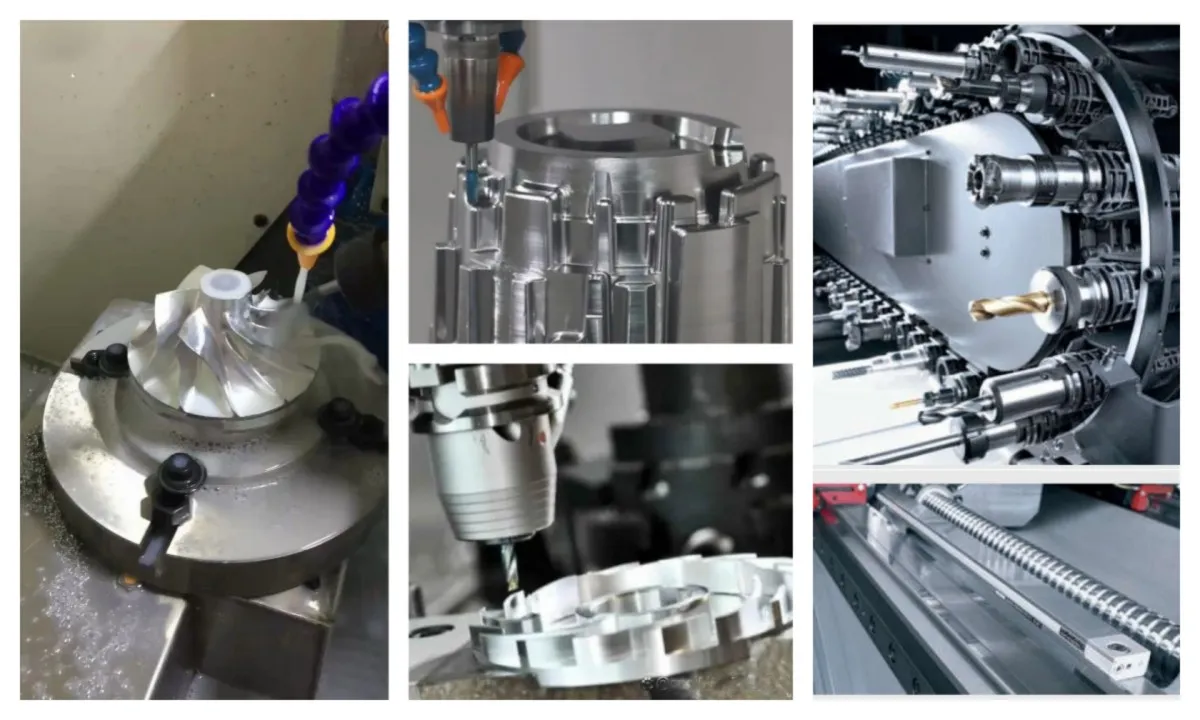
Understanding the typical applications for each CNC axis type can help determine which is best suited for specific industries and projects.
3-Axis Applications
- Industries: 3-axis machines are commonly used in electronics, automotive, and general manufacturing.
Applications: They’re ideal for producing items with simpler geometries, like electronic housings, basic automotive parts, and flat surface components.
With their straightforward operation and cost-effectiveness, 3-axis CNCs are excellent for high-volume production of parts with limited complexity.
4-Axis Applications
- Industries: 4-axis machines are frequently used in aerospace, medical manufacturing, and energy production.
Applications: The rotational capability of 4-axis CNCs makes them perfect for crafting turbine blades, small gears, aerospace parts, and medical implants.
These machines handle multi-sided components well, allowing for precise machining of angled surfaces and cylindrical shapes in one setup.
5-Axis Applications
- Industries: The 5-axis CNC shines in high-precision fields such as aerospace, medical, and mold-making.
Applications: With its full range of motion, 5-axis CNC machines are used to create complex aerospace components, custom medical implants, and molds with intricate designs.
These machines enable precise and efficient production of parts that require high levels of detail and unique shapes, making them indispensable in industries where accuracy is paramount.
Choosing the right CNC machine often depends on the application and the level of precision needed, with each axis type offering unique capabilities to suit different manufacturing needs.
Key Takeaways and Recommendations

This section will help you make informed decisions by recapping the main points and offering industry-specific insights and efficiency tips for getting the most from each CNC machine type.
Summary of Choosing Criteria
- 3-Axis CNC: Ideal for straightforward parts with flat surfaces or simpler geometries, particularly when budget and ease of use are top priorities.
- 4-Axis CNC: Best for multi-sided components requiring precision on angled surfaces, especially in industries like aerospace and medical that demand moderate complexity.
- 5-Axis CNC: Perfect for highly complex parts with intricate shapes and angles, commonly needed in aerospace, medical, and mold-making industries. Choose the 5-axis when ultimate precision and minimal setups are essential.
Recommendations for Different Industries

- Electronics and Basic Manufacturing: A 3-axis machine works well for parts like housings and casings, where simplicity and cost-effectiveness are key.
- Aerospace and Medical Industries: 4-axis and 5-axis machines are recommended, with 4-axis suited for turbine blades and small gears, and 5-axis ideal for custom implants and components requiring extreme precision.
- Automotive and Mold Making: 5-axis CNCs provide significant advantages in creating intricate molds and parts with complex contours, ensuring quality and minimizing tool adjustments.
Tips for Optimizing Production
- For 3-Axis Machines: Focus on high-volume, low-complexity runs. Optimize by reducing setups and using automation for repetitive tasks to improve throughput.
- For 4-Axis Machines: Streamline production with fixtures that support multi-sided machining. Take advantage of the fourth axis to reduce setups and ensure tight tolerances on all sides.
- For 5-Axis Machines: Use advanced CAM software for optimized tool paths, which reduces machining time and ensures accurate cuts. Regularly train operators on machine capabilities and programming techniques to fully utilize the machine’s potential and minimize errors.
Each CNC type has its strengths, so understanding when and how to use them ensures efficient production and quality results across various industries.
FAQs About 3-Axis, 4-Axis, and 5-Axis CNC Machining
Conclusion
Choosing the right CNC machine depends on your project’s needs, complexity, and budget.
While 3-axis machines are cost-effective for simpler tasks, 4-axis offers added precision, and 5-axis provides unmatched versatility for intricate designs.
Ready to find the best CNC solution for your business?
Evaluate your production requirements and invest in a machine that aligns with your industry’s demands.
For further guidance, reach out to our CNC experts, who can help you make the perfect choice.
Related Articles
- Ultimate Guide to Non-Ferrous Metals and Uses
- 3D Printing vs CNC Machining: Which Method is Best?
- Brass vs Bronze vs Copper: Key Differences and Uses
- Comprehensive Guide to Metal Strength and Chart
- Aluminum Extrusion Process: Techniques, Benefits, and Applications
- Types of Machining Processes: Full Guide
- Types of Aluminum Alloys: Properties and Industry Uses
- Comprehensive Guide to Bead Blasting Finishes
- Comprehensive Guide to Metal Strength and Chart


 English
 Arabic
 German
 Spanish
 French
 Italian
 Javanese
 Korean
 Portuguese
 Russian
 Hindi
 Chinese
