

Steel is one of the most widely used materials in industries today, and it plays a crucial role in manufacturing everything from buildings and bridges to vehicles and machinery.
Whether you’re designing a skyscraper or crafting a delicate piece of jewelry, choosing the right type of steel is essential for achieving the desired strength, durability, and cost-effectiveness.

Two of the most common types of steel are alloy steel and carbon steel.
While they both have their unique advantages, understanding their differences is key to selecting the best material for your specific project.
From tensile strength to corrosion resistance, the distinctions between these two steel types can make or break the success of your design.
What is Alloy Steel?
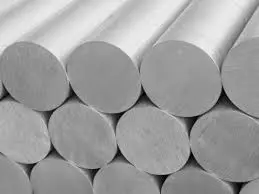
Alloy steel is a type of steel that’s made by combining iron with other alloying elements to enhance its properties.
These elements can range from chromium and nickel to manganese, vanadium, and tungsten—each adding a unique benefit to the steel’s overall performance.
Unlike carbon steel, which primarily consists of iron and carbon, alloy steel contains additional metals that significantly improve the material’s strength and versatility.
Common Alloying Elements & Their Effects

- Chromium: Known for improving corrosion resistance, chromium helps protect steel from rust and oxidation, making it ideal for outdoor or marine applications.
- Nickel: Adds toughness and enhances the resilience of steel, especially in cold environments. It also increases corrosion resistance.
- Manganese: This element increases strength and hardness, and improves toughness. It’s particularly useful in steel used for high-stress applications.
- Vanadium: Enhances strength and wear resistance, often used in making tools and machinery parts that are exposed to high pressure or friction.
- Molybdenum: Known for heat resistance, it helps steel maintain its strength at high temperatures, making it essential in aerospace and automotive applications.
Types of Alloy Steel
1. High-Alloy Steel
High-alloy steel contains a higher percentage of alloying elements (typically more than 8% of total composition).
One of the most well-known types of high-alloy steel is stainless steel, which contains at least 12% chromium.
The addition of chromium forms a thin oxide layer that makes the steel highly resistant to corrosion and rust.
Stainless steel is widely used for its strength, durability, and corrosion resistance.
2. Low-Alloy Steel
Low-alloy steel, on the other hand, contains a lower percentage of alloying elements, typically between 1% to 5% of the total composition.
Because it contains fewer alloying elements, low-alloy steel is generally more affordable than high-alloy steel while still offering a balance of strength, toughness, and ductility.
Benefits of Alloying Elements

The addition of these elements creates alloy steel with a variety of superior properties, depending on the specific alloying elements and their concentrations.
- Improved Strength: Alloying elements like chromium and manganese enhance the steel’s overall tensile strength, making it capable of handling heavier loads without failing.
- Increased Hardness: The addition of elements like vanadium and molybdenum makes the steel harder, improving its resistance to wear and tear.
- Heat Resistance: Alloy steels are highly heat-resistant, with the ability to maintain their strength and shape even in high-temperature environments, perfect for industries like aerospace or power generation.
- Better Wear Resistance: The inclusion of manganese and tungsten improves the steel’s resistance to abrasions and wear, making it an excellent choice for machinery and tools that experience friction and heavy use.
What is Carbon Steel?

Carbon steel is one of the most common and versatile materials in the world.
As the name suggests, it is a type of steel made primarily from iron and carbon, with carbon content typically ranging from 0.05% to 2%.
Unlike alloy steel, carbon steel doesn’t include significant amounts of other alloying elements, which makes it a simpler, more cost-effective option for many applications.
Carbon Content & Basic Composition
The key ingredient in carbon steel is carbon, which is added to iron to improve its strength and hardness.
The carbon content plays a significant role in determining the properties of the steel.
Higher carbon content generally results in increased strength and hardness but also reduces ductility and weldability.
Because carbon steel has a relatively simple composition, it’s easier to produce and cost-effective compared to alloy steel, making it a popular choice for a wide range of industries.
Types of Carbon Steel

Carbon steel can be divided into three main types based on the amount of carbon it contains.
Each type offers distinct properties, making it suitable for different uses.
1. Low-Carbon Steel (Less than 0.25% Carbon)
Low-carbon steel is the most ductile and malleable type of carbon steel.
It’s relatively soft, easy to form, and can be welded easily. However, it’s not as strong or hard as higher-carbon steels.
2. Medium-Carbon Steel (0.25% to 0.6% Carbon)
Medium-carbon steel offers a balance between strength, toughness, and ductility.
It is stronger than low-carbon steel and can still be molded and machined, but it is more difficult to weld due to its higher carbon content.
3. High-Carbon Steel (0.6% to 1.25% Carbon)
High-carbon steel is the hardest and strongest type of carbon steel, but it is also the most brittle and hardest to work with.
Its high carbon content results in improved wear resistance and the ability to hold a sharp edge, but it is difficult to weld and can crack under stress.
Comparison of Alloy Steel vs Carbon Steel

Quick Overview
1. Chemical Composition
Carbon Steel consists mainly of iron and carbon, with trace amounts of other elements such as manganese, silicon, and copper. The amount of carbon typically ranges from 0.05% to 1.25%.
Alloy Steel contains additional alloying elements like chromium, nickel, molybdenum, vanadium, and tungsten. These elements are added to improve specific properties like strength, hardness, heat resistance, and corrosion resistance.
2. Strength
- Carbon steel is generally considered stronger than alloy steel in terms of pure tensile strength. The high carbon content gives it the ability to withstand higher levels of stress without deformation.
- Alloy steel can be made to have higher strength in specific applications by adding alloying elements like chromium or molybdenum. These elements can significantly improve the tensile strength of alloy steel, making it suitable for more demanding environments like high-pressure systems or high-performance machinery.
3. Hardness
- High-carbon steel (with a carbon content above 0.6%) is very hard but brittle, making it prone to cracking under stress.
- Alloy steels are generally not as hard as carbon steel, but their hardness can be customized by adjusting the alloying elements. This allows alloy steel to balance strength and toughness, making it more workable than high-carbon steel in many applications.
4. Tensile Strength

- High-alloy steels are often engineered for specific tensile strength requirements, such as in the aerospace and automotive industries where parts need to withstand extreme stress without failing.
- Carbon steel has a high tensile strength in simpler, unmodified forms, but may not perform as well under extreme conditions unless heat-treated or alloyed.
5. Melting Point
- Carbon steel has a melting point ranging between 1,370°C and 1,510°C, depending on its carbon content. The lower the carbon content, the lower the melting point.
- Alloy steel, due to its added elements, generally has a higher melting point. Elements like tungsten and chromium help increase the heat resistance of alloy steel, which makes it suitable for high-temperature applications such as power plants and aerospace engines.
6. Malleability and Ductility
- Low-carbon steel is particularly malleable, making it ideal for forming, welding, and shaping into various products.
- Alloy steel is less ductile due to the presence of additional elements that can make the material stiffer and more rigid. While this can improve strength and wear resistance, it can also make the steel less flexible and harder to work with.
7. Weldability
- Low-carbon steel is particularly easy to weld due to its low carbon content.
- Alloy steel, especially high-alloy steels, presents some welding challenges. The additional alloying elements can cause the steel to become more brittle at the welded joints, and they may require specialized welding techniques or precise heat treatment to avoid cracking.
8. Corrosion Resistance
- Stainless steel, a type of high-alloy steel, contains a minimum of 12% chromium, which makes it highly resistant to corrosion, even in marine environments.
- Carbon steel, while strong, is prone to rusting when exposed to moisture and oxygen. Galvanizing or coating may be required to protect carbon steel from corrosion, especially in outdoor or industrial settings.
Applications and Uses of Alloy Steel

- Aerospace: Alloy steel is essential for aircraft structures, engine components, and landing gear. Its strength, lightweight properties, and resistance to extreme temperatures make it ideal for use in environments where safety and performance are critical.
- Automotive: Used in gears, axles, crankshafts, and suspension systems, alloy steel ensures durability and reliability under high stress and impact. Its wear resistance prolongs the lifespan of components in modern vehicles.
- Railroads: Alloy steel’s strength and resilience make it the preferred material for tracks, wheels, and braking systems. It can endure the constant wear and heavy loads that trains impose over long periods.
- Mining and Construction: In mining equipment such as drill bits and excavators, alloy steel offers abrasion resistance and hardness to withstand harsh environments. Its toughness is critical in construction tools like wear plates and steel beams.
- Power Generation: Alloy steel is used in turbines, boilers, and nuclear reactors where heat resistance and high-pressure tolerance are essential. It ensures efficiency and safety in demanding energy production environments.
- Oil & Gas: Components like piping, drill collars, and valves rely on alloy steel for its strength, corrosion resistance, and ability to perform in high-pressure conditions, such as deep-sea drilling.
- Food Processing: High-alloy stainless steel is commonly used in storage tanks, mixers, and cutting tools. Its corrosion resistance and hygienic properties make it indispensable for maintaining cleanliness and safety in food production.
- Medical Tools: Alloy steel is ideal for surgical instruments, implants, and medical devices due to its biocompatibility, durability, and ability to withstand sterilization processes, ensuring precision and patient safety.
- Industrial Machinery: Heavy-duty equipment such as bearings, gears, and valves benefit from alloy steel’s strength, wear resistance, and reliability, making it a popular choice in manufacturing and industrial operations.
Applications and Uses of Carbon Steel

- Construction: Carbon steel is widely used in structural frameworks, beams, and reinforcing bars for buildings and infrastructure. Its strength, durability, and cost-effectiveness make it a staple material in bridges, skyscrapers, and roads.
- Chemical Industry: In chemical plants, carbon steel is commonly used for storage tanks, reactors, and conveyance systems. Its ability to withstand moderate corrosion and pressure makes it suitable for handling chemicals and processing equipment.
- Oil & Gas: Carbon steel is ideal for pipes, tubing, and pressure vessels in the oil and gas industry. It offers strength and resistance to high-pressure environments, making it essential for transporting oil, gas, and other fluids.
- Cutting Tools: High-carbon steel is commonly used to make cutting tools, knives, and saw blades. Its hardness and edge retention properties are ideal for precision cutting applications.
- Weapons: Carbon steel is a traditional material for swords, axes, and firearms due to its strength, hardness, and ability to hold a sharp edge. Modern manufacturing techniques have further enhanced its utility in weapon-making.
- Pipes and Tubes: Carbon steel is the material of choice for industrial piping systems, thanks to its low cost, ease of fabrication, and ability to handle high-pressure fluids and gases.
- Pressure Vessels: Carbon steel is often used in pressure vessels, as it can withstand high pressures and temperatures at a more affordable cost compared to alloy alternatives.
How to Choose Between Alloy Steel and Carbon Steel
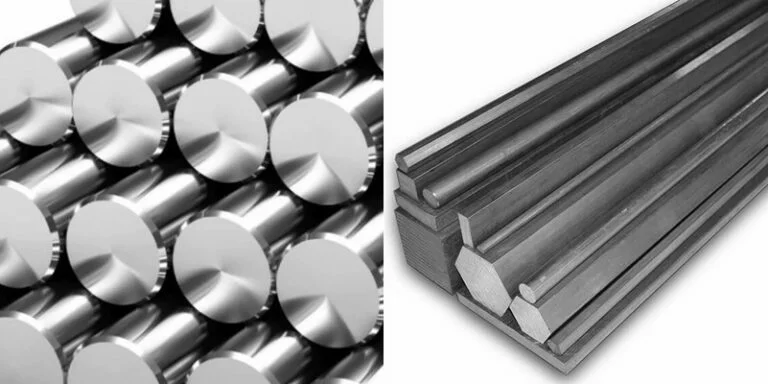
Selecting the right steel for your project requires careful consideration of cost, performance requirements, and specific application needs.
Both alloy steel and carbon steel have distinct advantages and limitations, making them suitable for different scenarios.
1. Consider Cost and Budget
- Carbon Steel: Generally more affordable, carbon steel is ideal for projects where cost-efficiency is a priority, such as in construction or low-intensity applications.
- Alloy Steel: While more expensive, alloy steel justifies its cost in demanding applications where superior strength, corrosion resistance, or high-temperature performance is required.
2. Assess Performance Needs
If your project requires exceptional strength and durability, alloy steel with specific alloying elements like chromium or nickel may be the better choice.
For projects focusing on workability, malleability, or ease of fabrication, carbon steel may be the optimal material due to its simpler composition.
3. Evaluate Environmental Resistance
- Alloy Steel: Thanks to alloying elements like chromium, alloy steel offers better corrosion resistance and is suitable for marine environments or chemical industries.
- Carbon Steel: More prone to rusting, carbon steel may require protective coatings or treatments for use in humid or corrosive environments.
4. Examine Strength and Weldability
- Carbon Steel: Known for its high weldability, especially in low-carbon variants, carbon steel is easier to weld and fabricate.
- Alloy Steel: Offers greater strength and can be tailored for specific mechanical properties, but may require specialized techniques for welding.
5. Match Material to the Application

- For high-performance applications like aerospace, automotive, or power generation, alloy steel is the ideal choice.
- For everyday uses such as pipes, construction frameworks, or cutting tools, carbon steel offers a balance of cost-effectiveness and performance.
Best Practices for Selecting the Right Steel

- Understand Your Requirements: Define the stress, temperature, and corrosive conditions your material will face.
- Consult Experts: Collaborate with engineers or manufacturers to ensure the steel meets specific design criteria.
- Weigh Long-Term Benefits: Factor in maintenance costs, longevity, and performance needs when calculating total project expenses.
FAQs
1. What is the main difference between alloy steel and carbon steel?
The key difference lies in their composition. Carbon steel primarily consists of iron and carbon, while alloy steel includes additional elements like chromium, nickel, or manganese to enhance properties like strength, corrosion resistance, and durability.
2. Can alloy steel be welded more easily than carbon steel?
Carbon steel is generally easier to weld, especially in low-carbon variants, due to its simpler composition. Alloy steel may require specialized techniques or pre-treatment because of the varying alloying elements that can affect weldability.
3. What industries use high-carbon steel?
High-carbon steel is widely used in industries requiring hardness and wear resistance, such as tool manufacturing, automotive (for springs and gears), and construction (for cutting tools and structural reinforcements).
4. How does alloy steel improve performance in construction?
Alloy steel offers superior strength, toughness, and corrosion resistance, making it ideal for high-stress structures, bridges, and reinforced frameworks in environments exposed to extreme conditions or heavy loads.
Conclusion
Understanding the differences between alloy steel and carbon steel is crucial for selecting the right material.
Both types offer unique benefits, from affordability and weldability in carbon steel to strength and corrosion resistance in alloy steel, making them valuable for a variety of applications.
Need help choosing the best steel for your project?
Contact our team for expert advice and custom solutions tailored to your needs.
Let us provide you with top-quality steel and exceptional service to ensure your project’s success.


 English
 Arabic
 German
 Spanish
 French
 Italian
 Javanese
 Korean
 Portuguese
 Russian
 Hindi
 Chinese
