

Welcome to the fascinating world of aluminum die casting!
This innovative manufacturing process plays a crucial role in producing a variety of products we encounter daily, from automotive components to electronic housings.

Aluminum’s lightweight yet durable nature makes it an ideal choice for creating intricate shapes with remarkable precision.
Understanding aluminum die casting is essential for designers and engineers, as it influences product quality, performance, and market success.
By grasping the intricacies of this process, you can design products that not only meet but exceed expectations, opening up new avenues for innovation in your manufacturing journey.
Let’s explore the details together!
What is the Aluminum Die Casting Process?

The aluminum die casting process is a highly efficient method for producing metal parts by injecting molten aluminum into a mold.
This technique allows manufacturers to create complex shapes with high dimensional accuracy, making it a preferred choice in various industries.
The process is both cost-effective and time-efficient, enabling large-scale production without compromising quality.
Steps Involved: Melting, Injecting, Solidifying
The aluminum die casting process involves three main steps:
Melting: The process begins by heating aluminum bars until they reach a molten state. This is crucial as the aluminum must be fully liquefied to ensure smooth injection into the mold.
Injecting: Once the aluminum is melted, it is forced into a pre-shaped mold cavity at high pressure. This rapid injection fills every corner of the mold, allowing for detailed designs and features.
Solidifying: After injection, the molten aluminum cools and solidifies within the mold. This step typically takes only a few moments, resulting in quick turnaround times for production.
Importance of Cold Chamber vs. Hot Chamber Processes

Two primary methods exist in aluminum die casting: the cold chamber and hot chamber processes.
Cold Chamber: This method is commonly used for aluminum due to its high melting temperature, which can damage the machinery in hot chamber systems. In cold chamber machines, molten aluminum is ladled from a separate melting pot into the injection chamber, ensuring equipment safety while maintaining efficiency.
Hot Chamber: In this process, the injection mechanism is submerged in molten metal, making it suitable for lower melting point alloys. However, it’s less commonly used for aluminum due to its higher operational risks.
Key Equipment Used
The success of aluminum die casting relies on specialized equipment.
The casting machines play a pivotal role in this process, with each type designed for specific applications and metal types.
Die Casting Machines: These machines are responsible for injecting molten aluminum into the molds. They are equipped with precise control systems to manage pressure and speed during the injection process, ensuring consistent quality in every casting.
Molding Equipment: Molds are made from steel or other durable materials, designed to withstand the high pressures and temperatures involved in die casting. Proper maintenance of these molds is essential for longevity and product quality.
Advantages and Disadvantages of Aluminum Die Casting

Aluminum die casting is a popular manufacturing process that offers numerous benefits, but it also comes with some drawbacks.
Understanding both the advantages and disadvantages can help manufacturers make informed decisions.
Advantages
Excellent Surface Finish: Parts produced through aluminum die casting have a smooth, polished surface that often requires minimal post-processing.
High Dimensional Accuracy: The process allows for precise shapes and tight tolerances, making it suitable for complex designs.
Cost-Effective for High Volumes: While the initial tooling costs can be high, the per-unit cost decreases significantly with large-scale production.
Lightweight Parts: Aluminum is a lightweight material, which is essential in applications where weight savings are critical, such as in automotive and aerospace industries.
Good Thermal and Electrical Conductivity: Aluminum die-cast parts are effective at conducting heat and electricity, making them ideal for electronic components.
Corrosion Resistance: Aluminum naturally resists corrosion, which enhances the durability and lifespan of the components.
Recyclability: Aluminum can be recycled without losing its properties, making it an environmentally friendly option.
Disadvantages
High Initial Tooling Costs: The setup and design of molds for die casting can be expensive, which may be a barrier for small production runs.
Limited to Non-Ferrous Materials: Die casting primarily works with non-ferrous metals, which may limit material options for certain applications.
Potential for Porosity: Depending on the process and conditions, parts may have porosity, which can affect strength and performance.
Not Ideal for Low-Volume Production: Due to the high initial costs and setup time, die casting is less suitable for low-volume production runs.
Temperature Sensitivity: The aluminum die casting process is sensitive to temperature fluctuations, which can impact the quality of the final product.
Common Die Cast Aluminum Alloys

Aluminum die casting involves various alloys, each with unique properties that make them suitable for different applications.
Understanding the characteristics of these alloys can help manufacturers select the right one for their specific needs.
Overview of Popular Alloys
Aluminum alloys used in die casting are categorized primarily based on their alloying elements.
Here are some of the most common die cast aluminum alloys:
A380: Widely used for its excellent castability and mechanical properties, A380 is the go-to choice for a variety of applications.
A360: Known for its outstanding pressure-tightness and corrosion resistance, A360 is often used in applications that require high fluidity when molten.
A413: This alloy is favored for its high strength and corrosion resistance, making it ideal for intricate parts that need durability.
A390: Recognized for its hardness and wear resistance, A390 is often used in automotive applications, such as engine blocks.
ADC-12: This alloy offers a good balance of strength and fluidity, suitable for various consumer and industrial products.
Detailed Characteristics of Common Alloys
A380: Excellent surface finish, good mechanical properties, and high corrosion resistance. It’s commonly used in automotive and electrical components.
A360: Features exceptional fluidity, making it suitable for intricate designs. It also offers good corrosion resistance, making it ideal for components exposed to harsh environments.
A413: Known for its strength and excellent casting characteristics, A413 is often used in complex components that require high performance.
A390: Offers superior hardness and wear resistance. It’s particularly effective in applications requiring durability, such as in automotive and heavy machinery parts.
ADC-12: A versatile alloy with good casting characteristics, ADC-12 provides excellent performance in various industrial applications.
Selection Criteria for Alloys
Choosing the right aluminum alloy for die casting involves several critical factors:
Application Requirements: Consider the mechanical properties needed, such as strength, ductility, and corrosion resistance, based on the end-use of the component.
Design Complexity: Alloys with better fluidity, like A360, may be preferred for intricate designs, while stronger alloys like A390 might be chosen for high-stress applications.
Cost Considerations: The price of different alloys can vary significantly, so budget constraints may influence the selection process.
Production Volume: For high-volume production, selecting a cost-effective alloy that balances performance and cost is crucial.
Environmental Conditions: Assess the operating environment of the final product. For instance, parts exposed to moisture may benefit from corrosion-resistant alloys.
Aluminum Die Casting Alloy Characteristics

Understanding the characteristics of aluminum die casting alloys is essential for optimizing their use in manufacturing.
These alloys possess a range of mechanical and chemical properties that make them suitable for various applications.
Mechanical and Chemical Properties
Aluminum die casting alloys are known for their excellent mechanical properties, which include:
Corrosion Resistance: Aluminum naturally forms a protective oxide layer, which helps prevent corrosion. This characteristic makes aluminum alloys ideal for applications in harsh environments, such as automotive and aerospace industries.
Strength-to-Weight Ratio: One of the most significant advantages of aluminum alloys is their high strength-to-weight ratio. This property allows manufacturers to create lightweight yet strong components, which is crucial in industries where weight reduction is essential for performance, such as in automotive and aerospace applications.
Durability: Many aluminum die casting alloys offer remarkable durability and long service life, making them suitable for components that undergo significant wear and tear.
Heat Dissipation and Electrical Conductivity
Another vital aspect of aluminum die casting alloys is their thermal and electrical properties:
Heat Dissipation: Aluminum is an excellent conductor of heat, making it suitable for applications that require effective heat dissipation. This characteristic is particularly important in electronics and automotive components, where overheating can lead to failure.
Electrical Conductivity: Aluminum alloys provide good electrical conductivity, which is beneficial in electrical and electronic applications. However, the specific alloy chosen may affect conductivity levels, so it’s essential to select the right type for applications requiring high conductivity.
Relevance in Various Applications

The unique characteristics of aluminum die casting alloys make them relevant across multiple industries:
Automotive: The strength-to-weight ratio, corrosion resistance, and heat dissipation properties make aluminum alloys ideal for engine components, transmission housings, and body parts.
Aerospace: Lightweight yet durable alloys are critical in aerospace applications, where every gram counts for fuel efficiency and performance.
Electronics: In the electronics industry, the excellent thermal and electrical conductivity of aluminum alloys supports the production of efficient heat sinks and housings for electronic devices.
Consumer Products: From kitchen appliances to furniture, aluminum die casting alloys are widely used due to their aesthetic appeal and versatility in design.
Surface Finishing Options for Die-Cast Aluminum
Surface finishing is a critical aspect of aluminum die casting, impacting both the performance and aesthetic appeal of the final product.
Several techniques can enhance the surface characteristics of die-cast aluminum components, making them more durable, attractive, and suited for specific applications.
Popular Finishing Techniques
1. Anodizing

Anodizing is a widely used electrochemical process that converts the aluminum surface into a decorative, durable, corrosion-resistant anodic oxide finish.
Benefits: Anodizing enhances corrosion resistance and can improve surface hardness. It also allows for color dyeing, giving manufacturers the ability to customize the appearance of the finished product.
Limitations: While anodized finishes are durable, they are not entirely scratch-proof. Additionally, the anodized layer is non-conductive, which can limit its use in applications where electrical conductivity is required.
2. Powder Coating

Powder coating involves applying a dry powder to the surface of aluminum components, which is then cured under heat to form a tough, protective layer.
Process: The process includes cleaning the aluminum, applying the powder using an electrostatic spray gun, and curing it in an oven. This method results in a uniform, durable finish.
Advantages: Powder coating is available in a wide range of colors and textures, offering manufacturers versatility in design. It provides excellent resistance to chipping, scratching, fading, and wearing, making it suitable for outdoor applications.
3. Chem Film
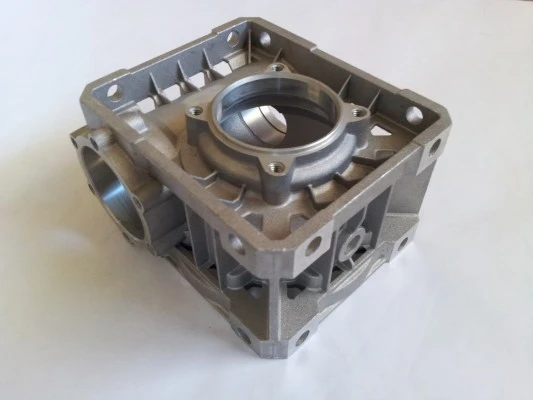
Chem film, or chemical film, is a conversion coating applied to aluminum parts to provide corrosion resistance and enhance paint adhesion.
Uses: This technique is often used in aerospace and military applications, where lightweight and corrosion-resistant materials are critical.
Application Methods: Chem film can be applied through various methods, including spraying, dipping, or brushing. It creates a thin, protective layer without significantly altering the dimensions of the part.
Impact of Finishing on Performance
The choice of surface finishing can significantly affect both the durability and aesthetics of die-cast aluminum components:
Durability: Proper finishing techniques enhance the lifespan of aluminum parts by providing additional resistance to environmental factors, such as moisture, UV rays, and chemicals. For instance, anodized surfaces offer superior corrosion protection compared to untreated aluminum, while powder-coated surfaces provide a tough barrier against physical wear.
Aesthetics: Finishing options also allow manufacturers to improve the visual appeal of their products. The ability to customize colors and textures through anodizing and powder coating can create eye-catching designs that attract consumers. Chem film can enhance the base aluminum’s appearance, making it suitable for high-end applications.
Applications of Aluminum Casting Parts
Aluminum die casting plays a vital role in various industries due to its lightweight, strength, and versatility.
As manufacturers seek to create efficient, durable, and cost-effective components, aluminum die casting has become the preferred choice across several sectors.
Here, we explore the key industries utilizing aluminum die casting and highlight specific applications within each.
1. Automotive

The automotive industry is one of the largest consumers of aluminum die-cast parts.
The demand for lightweight materials to improve fuel efficiency and reduce emissions drives the use of aluminum in vehicle manufacturing.
Key Components: Aluminum die casting is used to create engine blocks, transmission cases, and other critical parts. For instance, the use of aluminum in engine components helps reduce overall vehicle weight, enhancing performance and fuel efficiency.
2. Aerospace

In the aerospace sector, aluminum die casting is crucial for manufacturing components that require high strength-to-weight ratios and durability under extreme conditions.
Key Components: Applications include aircraft engine parts, landing gear components, and structural elements. Aluminum’s lightweight nature helps improve fuel efficiency and payload capacity, making it ideal for modern aircraft.
3. Electronics

The electronics industry benefits significantly from aluminum die casting, particularly in the production of housings and components that require effective heat dissipation.
Key Components: Examples include casings for smartphones, laptops, and other electronic devices. Aluminum die casting is preferred for its ability to create intricate designs while providing excellent thermal management.
4. Construction

Aluminum die casting is also widely used in the construction industry, where strength and corrosion resistance are paramount.
Key Components: Common applications include window frames, door hardware, and structural components in commercial buildings. The lightweight nature of aluminum reduces transportation costs and facilitates easier installation.
5. Furniture

The furniture industry has increasingly turned to aluminum die casting for both functional and decorative components.
Key Components: Examples include chair frames, table bases, and hardware such as locks and hinges. Aluminum’s durability and aesthetic versatility allow for stylish designs that can withstand heavy use.
Aluminum Die Casting Parts Design – Key Factors
Designing aluminum die casting parts involves several critical factors that influence the success of the casting process and the performance of the final product.
By paying attention to mold design, injection point location, and wall thickness, manufacturers can optimize production efficiency and ensure high-quality components.
Let’s explore these key design considerations in detail.
Mold Design Considerations

The design of the mold is crucial for successful aluminum die casting.
An effective mold must allow for smooth material flow and easy removal of the finished part.
Here are some important aspects to consider:
- Parting Lines: Proper placement of parting lines helps minimize visible seams on the final product, improving its aesthetic appeal.
- Draft Angles: Incorporating appropriate draft angles in the mold design facilitates easier ejection of the cast part, reducing the risk of damage.
- Cooling Channels: Designing effective cooling channels within the mold ensures even cooling and solidification of the aluminum, which is essential for maintaining dimensional accuracy.
Injection Point Location
The location of the injection point is a critical factor that affects how molten aluminum fills the mold.
Here are strategies to optimize this aspect:
- Single vs. Multiple Injection Points: Depending on the complexity of the part, using multiple injection points can ensure uniform filling and reduce the chances of air entrapment.
- Placement: The injection point should be strategically placed to facilitate smooth material flow, minimizing the distance the molten aluminum must travel within the mold.
- Gating Systems: Designing effective gating systems can help control the flow of aluminum, ensuring that it reaches all parts of the mold efficiently.
Wall Thickness Guidelines

Wall thickness is a crucial design factor that can significantly impact the performance and manufacturability of aluminum die cast parts.
Here are best practices to follow:
- Consistent Thickness: Maintaining a consistent wall thickness throughout the part helps prevent issues such as warping or cracking during cooling.
- Minimum Thickness: Aim for a minimum wall thickness that ensures strength while allowing for efficient material flow. Generally, a thickness of around 1.5 mm is achievable, but this can vary depending on the part’s design.
- Complex Designs: For parts with complex geometries, consider incorporating ribs or features that can add strength without increasing wall thickness.
Cost Analysis of Aluminum Die Casting

Understanding the cost structure of aluminum die casting is essential for manufacturers aiming to optimize their production processes and budget effectively.
This section breaks down the various costs involved and highlights the key factors influencing overall expenses.
Breakdown of Costs Involved
Aluminum die casting costs can be categorized into several main components:
Tooling Costs: The creation of molds is one of the most significant initial investments in aluminum die casting. Tooling costs can range from $7,000 to $75,000, depending on the complexity and size of the mold. High-quality molds designed for repeated use will lead to lower costs per unit in the long run.
Material Costs: The cost of aluminum alloy varies based on market conditions and the specific type of alloy used. Generally, aluminum is more cost-effective compared to materials like stainless steel, making it a popular choice.
Labor Costs: Skilled labor is required for operating casting machines, managing the production process, and performing quality checks. Labor costs can vary by region and skill level but are an essential part of the overall cost structure.
Machining and Finishing Costs: Although die-cast parts often require minimal machining, some may still need additional finishing processes such as anodizing or powder coating, which can add to the overall cost.
Overhead Costs: This includes utilities, maintenance of equipment, and administrative expenses that contribute to the overall cost of production.
Factors Influencing Overall Cost
Several factors can significantly influence the overall cost of aluminum die casting:
Production Volume: Die casting becomes increasingly cost-effective with higher production volumes. While initial tooling costs are high, producing larger quantities leads to a lower cost per unit.
Complexity of Design: More complex designs may require advanced tooling and additional labor, raising overall costs. Simplifying designs can help keep costs down.
Alloy Selection: Different aluminum alloys come with varying price points and characteristics. Selecting the appropriate alloy based on specific application requirements can impact costs.
Machine Type: The choice between cold chamber and hot chamber machines can affect production speed and energy costs, influencing the overall cost structure.
Market Fluctuations: Prices of raw materials, labor rates, and energy costs can fluctuate based on market conditions, impacting the cost of aluminum die casting.
Future Trends in Aluminum Die Casting

The aluminum die casting industry is poised for significant growth and innovation in the coming years.
As manufacturers strive for efficiency, sustainability, and enhanced product quality, several key trends are emerging that will shape the future of aluminum die casting.
Innovations in Technology
Advanced automation, including robotics and AI, is enhancing production efficiency and precision in aluminum die casting.
The integration of 3D printing for mold creation allows rapid prototyping and complex geometries, reducing lead times.
Additionally, sustainable practices, such as closed-loop recycling systems, are minimizing environmental impact and promoting responsible manufacturing.
Market Growth Projections
The aluminum die casting market is expected to expand significantly due to rising demand in automotive, aerospace, and electronics industries.
Emerging markets in Asia-Pacific and Latin America are also driving growth, as these regions enhance their manufacturing capabilities.
Furthermore, a focus on sustainability will benefit companies adopting eco-friendly practices, leading to increased demand and competitive advantages.
FAQs About Aluminum Die Casting
Conclusion
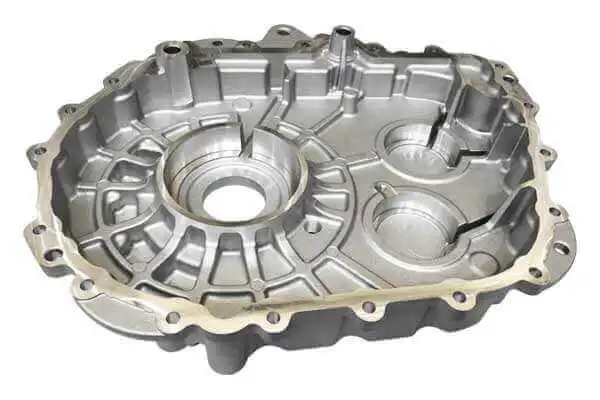
In summary, aluminum die casting is a highly efficient manufacturing process that offers numerous advantages, including precision, versatility, and cost-effectiveness.
Understanding the various alloys, finishing options, and design considerations is crucial for optimizing production and achieving high-quality results across industries.
If you’re considering aluminum die casting for your project, reach out to industry experts for guidance.
Explore your options today and take advantage of the benefits this innovative process can offer!
Related Articles
- Ultimate Guide to Non-Ferrous Metals and Uses
- 3D Printing vs CNC Machining: Which Method is Best?
- Brass vs Bronze vs Copper: Key Differences and Uses
- Comprehensive Guide to Metal Strength and Chart
- Aluminum Extrusion Process: Techniques, Benefits, and Applications
- Types of Machining Processes: Full Guide
- Types of Aluminum Alloys: Properties and Industry Uses
- Comprehensive Guide to Bead Blasting Finishes
- Comprehensive Guide to Metal Strength and Chart


 English
 Arabic
 German
 Spanish
 French
 Italian
 Javanese
 Korean
 Portuguese
 Russian
 Hindi
 Chinese
