


Blow molding and injection molding are two of the most widely used plastic manufacturing methods, each playing a key role in producing everything from bottles and containers to automotive components and medical devices.
While both processes involve shaping plastic, they do so in completely different ways, leading to distinct advantages depending on the product you’re trying to create.
Understanding the difference between blow molding and injection molding is crucial when making manufacturing decisions.
Choosing the right method can impact not only the quality and functionality of the final product but also your production costs and efficiency.
In this article, we’ll break down both processes, helping you decide which one is best suited for your project needs.
What is Injection Molding?

Injection molding is a versatile manufacturing process used to create solid plastic parts by injecting molten plastic into a mold.
This process is widely used to produce complex and high-precision parts for various industries, from automotive to medical devices.
History of Injection Molding
Injection molding originated in the 19th century, evolving from simple plastic buttons to today’s intricate and detailed plastic parts.
The first injection molding machine was invented in 1872 by John Wesley Hyatt, and since then, the technology has expanded into a leading method for mass-producing plastic components.
Injection Molding Process

- Heating: Plastic resin pellets are heated until they become molten.
- High-Pressure Injection: The molten plastic is injected into a precision-engineered mold at high pressure, ensuring the material fills every detail of the mold cavity.
- Cooling and Solidification: Once the plastic fills the mold, it cools and solidifies, taking the shape of the mold.
- Ejection: After cooling, the mold opens, and the solid part is ejected, ready for any post-processing if necessary.
Common Materials Used in Injection Molding

- ABS (Acrylonitrile Butadiene Styrene): Strong and impact-resistant, used for items like LEGO bricks and automotive parts.
- Nylon: Offers high durability and is often used for mechanical components such as gears.
- Polycarbonate: Known for its toughness and transparency, it is commonly used in eyewear lenses and electronic housings.
- Polypropylene (PP): Lightweight and flexible, used for packaging, automotive parts, and consumer goods.
Advantages of Injection Molding
- Precision and Complexity: Ideal for creating highly detailed and complex parts with tight tolerances.
- High Production Volumes: Capable of producing millions of identical parts efficiently, making it perfect for mass production.
- Wide Range of Materials: Can mold many different materials, including engineering-grade plastics, for various applications.
- Little to No Post-Processing: Finished parts often require minimal or no post-processing, saving time and cost.
Disadvantages of Injection Molding
- High Tooling Costs: Injection molds are expensive to design and produce, especially for complex parts.
- Longer Setup Time: Creating the mold and setting up the machine for production takes time.
- Limited to Solid Parts: Best suited for producing solid objects and not applicable for hollow or thin-walled designs.
What is Blow Molding?

Blow molding is a manufacturing process used to produce hollow plastic products by inflating a heated plastic tube (called a parison) inside a mold.
It is commonly used for making bottles, containers, and other hollow objects.
History of Blow Molding
Blow molding traces its origins back to the ancient art of glassblowing, where artisans shaped glass by blowing air into molten glass.
The same concept was adapted to plastics in the early 20th century, with modern plastic blow molding being developed in the 1930s.
Blow Molding Process

- Parison Creation: A molten plastic tube (parison) is extruded or injected into the mold.
- Air Pressure: Air is blown into the parison, inflating it like a balloon, and the plastic expands to fill the mold.
- Mold Shaping: As the plastic expands, it takes the shape of the mold cavity, forming the desired product.
- Cooling and Ejection: Once the plastic cools and solidifies, the mold is opened, and the part is ejected. Excess material is trimmed off.
Types of Blow Molding

- Extrusion Blow Molding: The parison is continuously extruded and then cut before molding.
- Injection Blow Molding: The parison is pre-formed through injection molding before being blown into its final shape.
- Stretch Blow Molding: The parison is first stretched and then blown to create products with more uniform wall thickness, often used for PET bottles.
Common Materials Used in Blow Molding
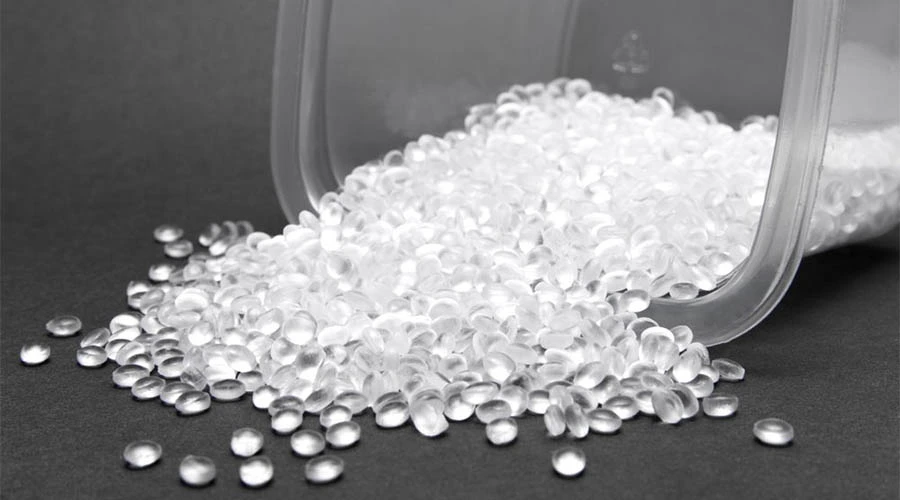
- HDPE (High-Density Polyethylene): Used for milk jugs, detergent bottles, and automotive fuel tanks.
- LDPE (Low-Density Polyethylene): Common for squeeze bottles and packaging films.
- PET (Polyethylene Terephthalate): Popular for beverage bottles and food containers.
Advantages of Blow Molding
- Cost-Effective for Hollow Parts: Produces lightweight, hollow products using less material, reducing production costs.
- Fast Production: Capable of high-volume production with faster cycle times.
- Versatile Designs: Allows for complex, hollow shapes suitable for packaging and automotive parts.
- Lower Tooling Costs: Requires less expensive molds compared to injection molding.
Disadvantages of Blow Molding
- Limited to Hollow Parts: Only produces hollow objects, restricting its use for complex, solid designs.
- Inconsistent Wall Thickness: It is difficult to control uniform wall thickness, which may affect the product’s strength.
- Post-Processing Required: Often requires trimming excess material and adding extra steps to the process.
Key Differences Between Blow Molding and Injection Molding
Cost Comparison: Blow Molding vs. Injection Molding

Blow molding generally offers lower setup costs because the machinery and tooling are simpler and require less pressure to operate.
This makes blow molding ideal for producing high volumes of hollow products at a lower upfront investment.
In contrast, injection molding has higher costs due to the need for more precise, complex molds and powerful machines capable of high-pressure injection.
This method is best suited for producing solid, detailed parts, but the initial investment can be significantly higher.
However, both methods can be cost-effective in the long run depending on production volume.
Blow molding is more economical for large-scale production of hollow items, while injection molding becomes more cost-efficient for complex solid parts when produced in high volumes.
Product Applications for Blow Molding

Blow molding is ideal for creating hollow, lightweight parts such as bottles, containers, fuel tanks, and packaging.
This process excels at producing uniform, thin-walled items that require minimal material use while maintaining structural integrity.
You’ll find blow-molded products widely used in the consumer goods industry (for items like shampoo bottles), the automotive sector (fuel tanks and ducts), and the medical field (disposable containers and medical supplies).
Its versatility makes it an excellent choice for mass production of hollow products.
Product Applications for Injection Molding

Injection molding is best suited for producing complex, solid parts such as caps, housings, automotive components, and medical devices.
Its ability to create intricate designs with high precision and tight tolerances makes it ideal for manufacturing detailed, durable parts.
This method is commonly used in industries like electronics (for cases and housings), automotive (for precision components), and healthcare (for devices and surgical instruments).
The flexibility of injection molding allows for the mass production of high-quality, solid plastic parts.
Which Molding Process is Right for You?

Choosing between blow molding and injection molding depends on the specific needs of your project.
Blow Molding is ideal if you need to produce hollow, lightweight products like bottles, containers, or tanks. It’s perfect for high-volume, less intricate designs where material efficiency and cost savings are priorities.
Injection Molding, on the other hand, is best for creating solid, complex parts that require high precision and tight tolerances. If your product involves detailed designs, such as automotive components or medical devices, injection molding offers the precision and durability you need.
Each process excels in different areas, so understanding your project’s requirements will help you make the best choice.
FAQs
Conclusion

Blow molding and injection molding are two essential plastic manufacturing processes, each offering unique advantages.
Blow molding is ideal for hollow, lightweight parts, while injection molding excels in producing complex, solid designs with high precision.
Choosing the right method depends on your product’s specific requirements.
Ready to choose the best molding process for your project?
Contact us today to discuss your needs and discover how we can help you create high-quality, cost-effective products tailored to your specifications.
Let’s bring your vision to life!


 English
 Arabic
 German
 Spanish
 French
 Italian
 Javanese
 Korean
 Portuguese
 Russian
 Hindi
 Chinese
