

Trends in Injection Molding for Construction Materials:
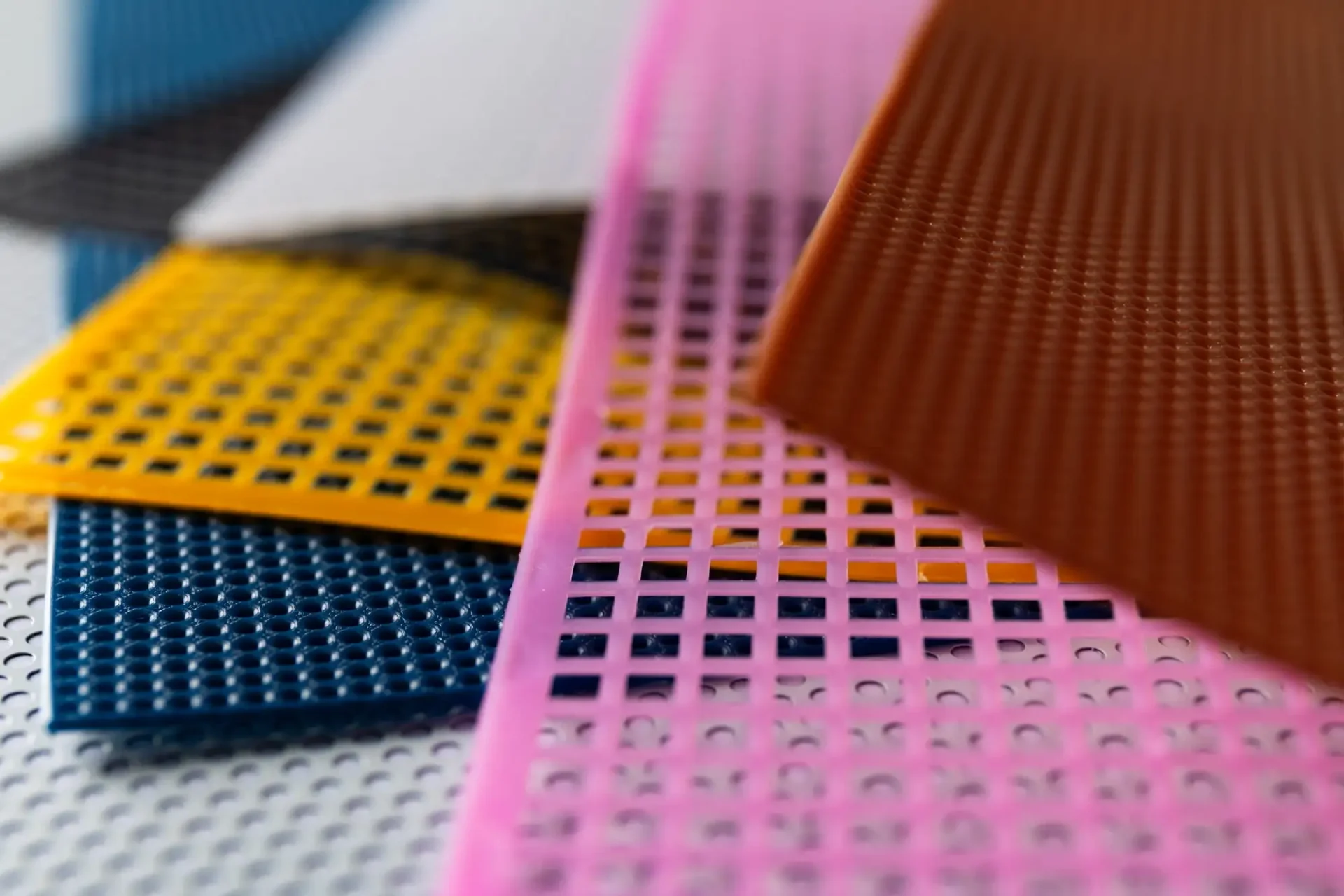
The construction industry is dynamic and expanding, as is the injection molding technology incorporating advanced features. These trends include using sustainable materials and designs with flexibility to influence how construction components are developed and utilized.
Sustainable and Eco-Friendly Materials:
As a result, the utilization of sustainable materials in injection molding is on the rise.
- Recycled plastics are nowadays popular components in the construction industry. These plastics help minimize the use of new raw materials, which in turn minimizes costs and impacts on the environment. Other commonly employed plastics include bioplastics, which are derived from renewable sources like plants. They are biodegradable and do not depend on the burning of fossil fuels.
- Manufacturers are following several practices to minimize or prevent waste during the injection molding process. The reprocessing method involves recycling the scrap materials back into their production cycle. It also reduces wastage and optimizes the efficient use of materials, time, and energy in production. Other technologies assist in recycling by deconstructing complicated plastic products for recycling.
- Sustainability affects the availability and costs of construction materials. Introducing recycled materials has been known to reduce costs since it is cheaper to use recycled materials than to buy new ones. This, in return, makes eco-friendly products more adaptable and appealing to the market. Sustainability in injection molding is not only a fad but a reality of moving towards environmentally conscious production. Thus, incorporating these practices will enhance the construction sector and deliver a better future for our environment.
Advanced Composite Materials:
Composite materials are utilized in construction because of their properties.
- These materials are highly preferable in injection molding compared to traditional options. Composite materials increasingly used are glass fiber-reinforced plastics (GFRP) and carbon fiber-reinforced plastics (CFRP).
- These composites are appreciated for their strength and their ability to last long. It can offer good wear, corrosion, and impact resistance, making it extensively used for construction parts. Further, it is considerably more lightweight than conventional materials such as steel, thus decreasing the total mass of structures. This lightweight property is very useful in construction and other projects because it makes transporting parts to the construction site easier and puts them together.
- Glass fiber-reinforced polymers (GFRP) are popular in applications for high-strength yet flexible products like reinforcement bars used in concrete structures and in the production of insulating panels. Their high strength and stiffness-to-weight ratio make carbon fiber composites widely used in high-performance load-bearing structures where weight has to be saved at the cost of strength.
- Advancements in such products are not only enhancing the functionality of construction parts but also increasing environmentally conscious construction. With increasing concern about developing materials that are stronger, lighter, and more durable, the application of advanced composites in injection molding is expected to rise and change how construction happens in the modern world.
Innovations in Injection Molding Machinery:
This specific type of machinery, known as injection molding machinery, is improving rapidly and has the vast potential to revolutionize construction.
- Today’s machines can be more energy-efficient, meaning they consume 30% to 50% less power than their older counterparts. This is especially true for all-electric machines, which are increasingly adopted because of their accuracy and sustainability.
- Industry 4. 0 is increasingly becoming a significant contributor to these advancements. The use of IIoT and data analysis is being incorporated into injection molding processes of smart manufacturing. Such technologies help the machines interact with each other to eliminate the activities that slow down production and increase efficiency in the actual process. It provides integration that enhances effectiveness, minimizes interruption, and decreases the expenses of running production lines, which makes the manufacturing processes flexible.
- Automation and robotics also affect injection molding as a manufacturing process. Functions that were executed manually, such as part removal, quality inspection, and packaging, are now carried out by robots to shorten the production line and consequently minimize manual operations. Automated vision systems that employ such applications also allow for identifying defects that compromise product quality.
The improvements in this equipment increase efficiency and contribute to the promotion of environmentally friendly and less expensive construction and manufacturing systems.
Customization and Flexibility in Design:
The application of injection molding in construction is shifting more towards customization and flexibility. Users’ increasing expectations for better specific systems are beginning to change the way that parts are delivered.
- Among technologies that can be discussed in this regard, it is worth mentioning that 3D printing is the technology that shapes this shift. It enables the development of prototypes quickly and the possibility of developing intricate designs that are inefficient when using more conventional techniques. By combining 3D printing with injection molding, products such as molds can be easily produced, and modifications can be made to the same in the shortest amount of time. These two approaches minimize the time and costs required for manufacturing, especially for small quantities or if the parts have special features.
- Computer-aided design (CAD) makes flexibility more effective. CAD software enables the designer to develop accurate models for creating molds that can be directly used. This integration also simplifies the process from conception to the development of the final product, thus allowing efficient and accurate work.
- Some examples of such special parts include fabricated sections in structures, special architectural features, specific fixtures, and other structural components. Components of built-environment solutions not only necessarily fulfill design specifications but also enhance other aspects of construction.
Therefore, the shift toward custom and flexible designs in injection molding is enhancing injection mold innovation and promoting the needs of the construction industry.
Applications of Injection Molding in Construction Materials:
The construction industry relies heavily on the injection molding process with regard to coming up with solutions in various sectors. Here are five key areas where this technology is making a significant impact:
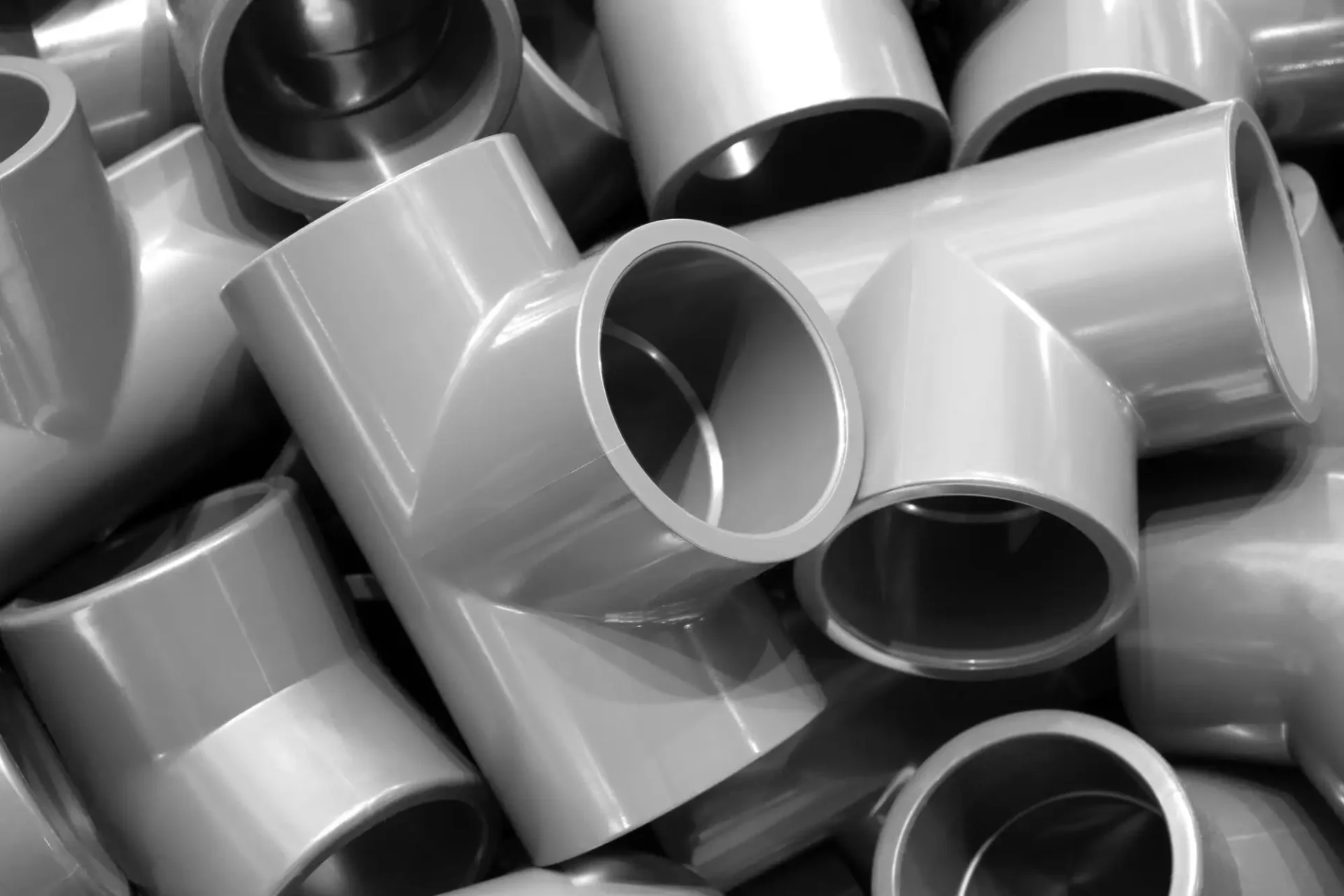
- Plumbing Systems: Plastic components used in modern pressurized plumbing systems, including pipes, valves, and fittings, can be produced through injection molding. In addition to these, many of these plastic parts are more corrosion resistant than those conventional metal parts and hence cost-effective. The high accuracy of injection molding also makes it possible to have perfectly fitting parts, which minimizes on chances of having leaks in plumbing systems and thus enhancing efficiency.
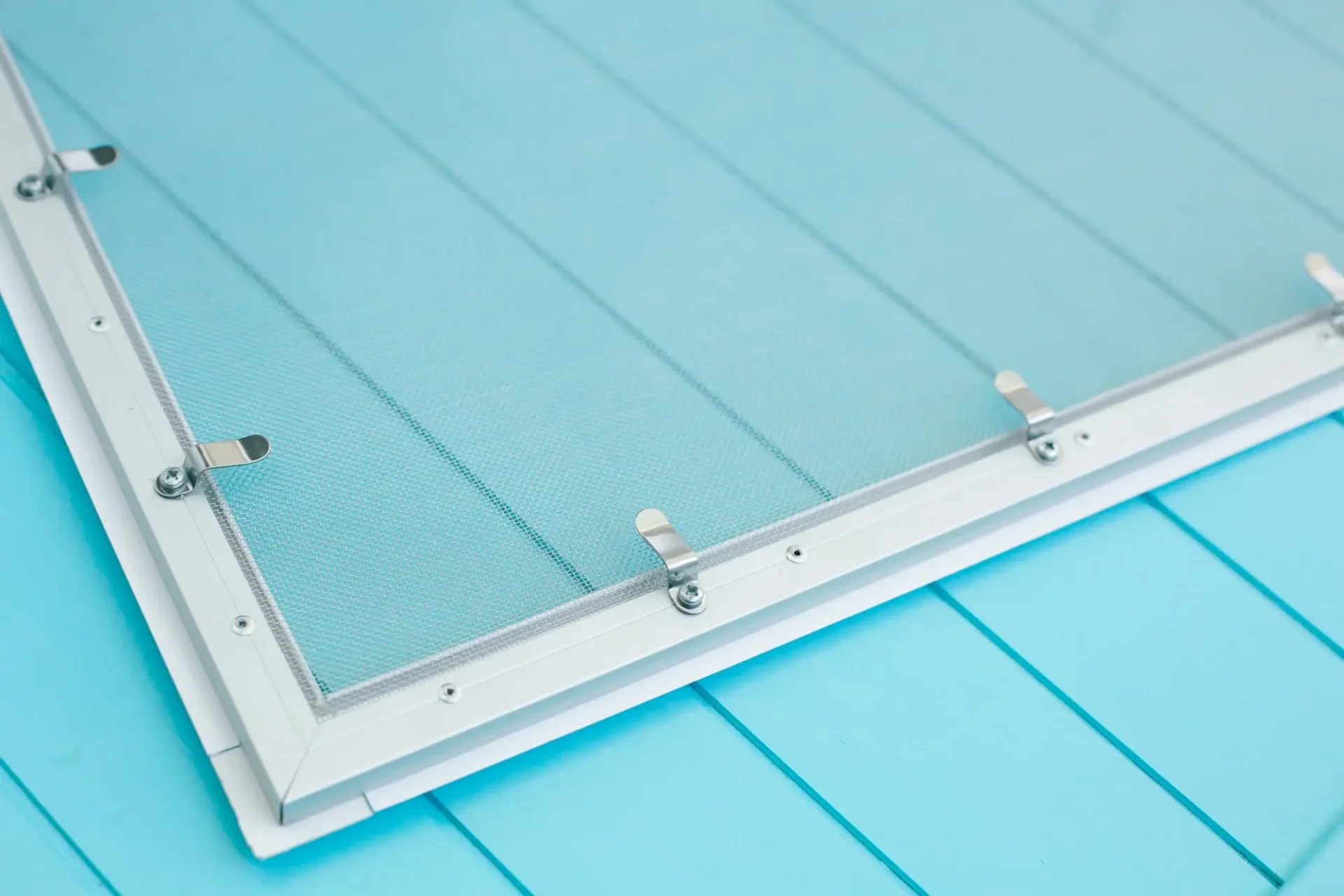
- Window and Door Components: Furniture fittings such as window frames, door handles, and the like are some of the products that are widely being made using injection molding. It can be used to fabricate robust parts that have the ability to withstand diverse climatic conditions for the design requirements. This flexibility not only creates pleasing architectural designs but also provides high resistance of material to threats from the environment.
- Electrical Equipment Housing: This technique is widely used in the manufacture of electrical junction boxes and various housing for wiring systems. These components have to be very reliable, immune to electromagnetic and power line interference, and very easy to integrate into the system. The highly precise approach that injection molding facilitates means that these parts are safe and durable, as is demanded in construction projects.

- HVAC Components: Some applications of injection molding in HVAC manufacturing and construction include the making of ducts, vents, and the various fittings needed in the development of the systems. These components capitalize on the durability and material efficiency of the injected molded plastics that exhibit enhanced resistance to corrosion and easy installation. This application helps in ensuring that the climate control systems in buildings are effectively managed and are consistently delivering the intended services.
- Scaffolding and Safety Equipment: It is also used to make other parts of scaffolding, including the connector, base plate, and guard rails, among others. They are particularly prized for their high strength and low density and outstanding performance in various weather conditions. Moreover, important and effective personal protective equipment like hard hats used on construction sites made through injection molding to contain and protect workers’ heads are examples of other articles that need protection.

Such applications highlight the role and significance of injection molding as one of the core technologies that help enhance modern construction, as well as their effectiveness and safety for further construction-related developments.
Challenges and Solutions in Injection Molding for Construction:

There are numerous advantages that construction can benefit from through injection molding, but there are drawbacks to using this technique, some of which include the following:
Material Compatibility and Selection:
- One of the major difficulties is choosing the appropriate material for certain construction requirements. Materials used in construction require standards including strength, durability, and resistance to other factors in construction environments. However, it is important to note that not all materials can be used in injection molding processes. If the material is not appropriate for embedding, problems such as improper flow, contraction, and incomplete filling may occur.
- Thus, efforts must be dedicated to testing materials and ensuring compatibility for increased performance. Another requirement is coordinating with suppliers to ensure one arrives at the right choice. Such challenges can be avoided by employing more sophisticated simulation techniques for material response prediction. It also helps to guarantee that the chosen materials provide the requisite performance levels in the special circumstances encountered in construction usage.
Cost Considerations:
- Another key consideration for injection molding in construction is cost. The process entails many expenses, particularly the mold fixing charges, which include the mold creation costs. Further, the material costs can be higher due to the nature and standard of the materials that may be needed for construction.
- By adopting the right approaches, costs can be reduced without affecting quality, and manufacturers can do this. These include incorporating recycled or cheaper materials into the production process and increasing the use of technology in production. Purchasing large amounts of material is needed to reduce the cost of production, and using energy-efficient machines also reduces the cost. If these aspects are well managed in your project, you will be in a good position to produce quality at reasonable costs.
Technical and Operational Challenges:
- Injection molding processes present several technological challenges, such as warping, shrinkage, and variations in quality. These problems can result in other undesirable outcomes, such as defects in the final products, which lead to high levels of waste and expense. Shrinkage and warping happen as a result of more water or air cooling on one part than on the other, leading to a warped part. Their thickness varies because, during cooling, the material contracts, consequently varying the size.
- Possible solutions to these challenges are enhancing the mold design, correct cooling systems, and other problems with injection control. These advanced technologies allow real-time monitoring systems to show the existence of any problem so adjustments can be made immediately. Experience is also required to acquire training for the same cause. The process is also more susceptible to defects if handled by inexperienced operators; therefore, it is better to have experienced operators handle it to get standard results.
If these challenges are properly addressed by developing specific solutions, then the injection molding process of the construction materials can be improved to perform the required duties adequately. This not only increases the durability of manufactured products throughout but also increases efficacy and cost efficiency.
Conclusion:
Injection molding is widely used in the construction industry because it can produce reliable and cheap construction parts and provide high-accuracy details. Now that the industry is moving forward, greater attention must be paid to factors such as sustainable materials, composite materials, and other innovative features in machinery. All these trends are increasing performance and opening the way to new, more intelligent, and versatile solutions in the construction industry.
HiTop Industrial comprises one of the foremost injection molding industries specializing in construction material molding. Equipped with high-tech products and a stringent quality system, HiTop is capable of addressing modern construction challenges. Please contact us today to learn how we can help you with your next project.


 English
 Arabic
 German
 Spanish
 French
 Italian
 Javanese
 Korean
 Portuguese
 Russian
 Hindi
 Chinese
