Innovations in Injection Molding for the Defense Industry

Explore innovations, materials, and trends in injection molding for defense, enhancing precision, durability, and compliance for military applications.
HITOP / Innovations in Injection Molding for the Defense Industry

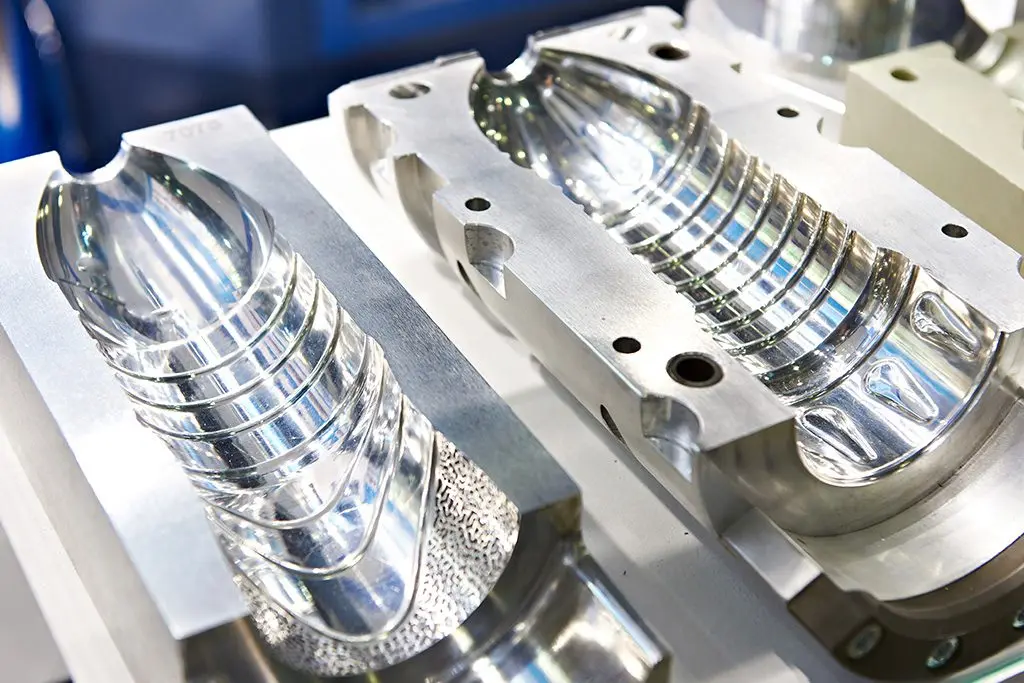
Precision molds used in injection molding for defense components

The defense industry is one of the leading consumers of injection molding. This process began early in the 20th century and has evolved to become crucial in developing many parts. In the beginning, people employed simple but effective strategies. Nowadays, it uses improved technologies and materials.

Further improvements in injection molding are highly desirable and must continue to be developed and improved regularly. This helps to maintain competition within the defense sector to protect it against threats that can hamper its growth. New techniques have been developed that help minimize the potential for error and increase production speed.

What will you learn?

This article will explore the existing trends, materials, designs, and shifts in injection molding for defense.

Current Trends in Injection Molding for Defense:

Injection molding in defense has changed a lot. These trends relate to increasing component effectiveness, adaptability, and capability to address specific demands defined by the defense sector and the market.

1. Automation and Robotics:

Modern injection molding cannot exist without the help of contemporary robotics; they are essential components of the entire process. Robots introduce precision and speed, which are critical in military operations. Some functionalities include handling parts assembly and quality checks, thus minimizing human intervention. Other advantages include reducing labor costs and the time taken during the manufacturing processes. This is made possible through robot arms and production lines, among others, to ensure efficient production.

2. On-Demand Manufacturing:

Another critical aspect of on-demand manufacturing is its significance in the defense industry. It makes it possible to quickly create prototypes and produce small ranges of particular items, which is vital in the defense industry. Products like 3D printing can also facilitate speedy production and variations. This ability is desirable for the rapid creation of intricate and specific parts. It is beneficial for effectively addressing emergent defense needs.

3. Multi-Material and Molding Techniques:

The use of multiple materials promotes enhanced characteristic performance of parts. Over molding involves using several parts that have come together as one, making products with varying stiffness and flexibility. This method is applied to make fairly more durable and multi-functional equipment. For instance, in a particular product, a single component can have high strength and flexibility, leading to improved functioning of more parts. This innovation can be applied in defense-related contexts where the device’s reliability and stamina are paramount.

Material Innovations:

Modern advancements in material aspects are revolutionizing injection molding in defense. These advancements are focused on high-performance and sustainability issues, which are very important for contemporary demands in the defense industry.

1. High-Performance Thermoplastics:

Thermoplastics are vital, particularly within high-performance applications of defense. It is often used with comparable materials such as PEEK or polyamides. PEEK is characterized as having high mechanical strength and chemical reactivity. It can describe materials that can be utilized in areas with unfavorable temperature conditions since they do not wear out quickly. Polyamides are highly durable and resist wear or impact depending on the construction element. These characteristics make them suitable for application in hostile conditions. These advanced characteristics are necessary for defense components to meet many operations’ reliability and safety requirements.

2. Sustainable and Eco-Friendly Materials:

The use of sustainable materials is also evident in the defense industries. Technological advancements include the offering of biodegradable and recyclable materials. These materials make it possible to decrease the adverse effects of industrial production on the environment. That is why implementing eco-friendly products and raw materials can help reduce carbon footprint. This is particularly helpful for achieving the contemporary environmental requirements. Sustainability also extends to using materials from another technology directly or after recycling. For example, CRP Technology creates materials from recycled industrial 3D printing waste products while offering superior performance and sustainability.

These innovations in materials are advancing the defense industry. They ensure that parts are robust, environmentally stable, and safe. This section depicts the major progress realized by materials used for injection molding in the defense industry.

Design and Manufacturing Innovations:

Design and manufacturing innovations in injection molding are transforming the defense industry. These advancements focus on speed, precision, and the ability to create complex structures.

1. 3D Printing and Rapid Prototyping:

The development of 3D printing is very vital in defense manufacturing. It speeds up the concept and production of prototypes. It is fast when designers want to create and test components on a particular material. This brings about a development time reduction as well as lower charges. For instance, the United States Army has integrated 3D technology to produce unmanned aerial vehicles, UAV parts, and other significant parts required for its operations. These changes and improvements can also be made more quickly and effectively due to this technology to serve the demanding needs of the defense sector.

2. Complex Geometries and Lightweight Structures:

It is critical to form intricate shapes and thin-walled structures for defense applications. This is made possible through concepts such as topology optimization and lattices. These methods help lighten the structure while, at the same time, providing adequate strength. As mentioned, lightweight parts are essential for aerospace and portable military devices. They enhance fuel consumption and flexibility. For instance, the improved 3D technology makes producing complex parts in the finished products possible, which other manufacturing technologies cannot achieve. This innovation enhances the effectiveness of tools used in defense and expands the work they can do.

These innovations in mold design and manufacturing are becoming critical to the defense industry’s future needs. They ensure that parts are produced quickly, accurately, and with quality standards in mind. Using 3D printing and expressive designs, the defense industry is able to provide the tech required for current warfare and security needs.

Applications of Injection Molding in Defense:

Injection molding is used to manufacture several parts required in the defense industry. This paper will discuss its applicability in space exploration, the wearing apparel of persons involved in high-risk situations like firefighting or operating heavy-duty machines, and defense.
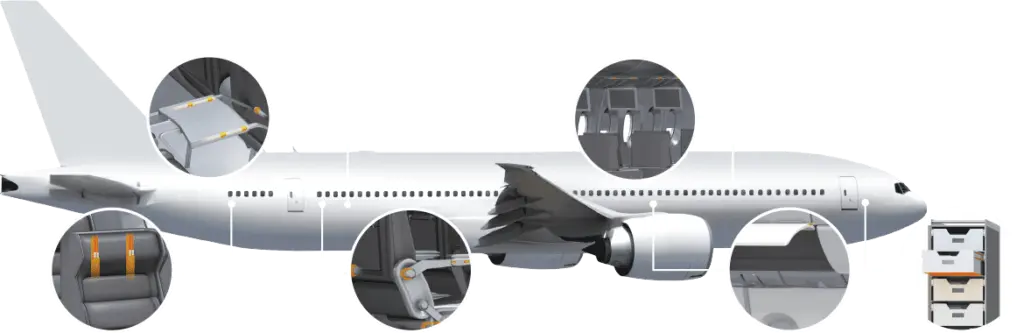
 

Injection molding applications for various components in defense aircraft

  • Aerospace Components:

There are various injection molding applications, but one of the most popular ones is in the aerospace industry, which manufactures lightweight and durable parts for aircraft construction. These parts consist of the interior part, gears, and bushes. One advantage of this process is that it provides high accuracy and repeatability – which are imperative for aerospace. New advanced plastics make the necessary numbers of aircraft parts thinner, thus increasing the effectiveness of the aircraft and its fuel consumption.

Injection molded military helmet designed for protection and durability

  • Personal Protective Equipment:

Injection molding is crucial in creating individual safety equipment such as helmet shells and armor segments. These items need to be particularly sturdy and capable of withstand some degree of impact. The material used in injection molding has developed, especially in PPE manufacturing. It also helps ensure that soldiers have specific coverage while in different forms of combat.

Durable and lightweight injection molded gun casings and components

  • Weaponry and Field Equipment:

Injection molding is also applied to manufacture parts of weapons and field equipment. Some parts include rifle grips, sections of gas masks, and various other components. The process also enables the making of light parts with strength and rigidity, which are crucial for simplicity of use and long-term durability in the field. This method provides lightweight equipment, making it easy for soldiers to handle and move around with.

These applications depict how injection molding is valuable and Versatile in the defense industry. Hence, injection molding delivers lightweight, durable, and accurate components that can address all the necessary military standards, enhancing the efficiency of military equipment.

Quality Control and Compliance:

Quality assurance and compliance are critical factors in the defense manufacturing industry. The industry needs to meet certain benchmarks and set a high standard for work, which helps assure the reliability and safety of defense components.

  • Adhering to ITAR Regulations:

Defense contractors must ensure that they comply with the requirements of ITAR. ITAR is an abbreviation of International Traffic in Arms Regulations. These regulations govern the export and import of defense-related goods and services or technologies regulated under the ITAR. ITAR compliance prevents international entities from gaining access to information that might be detrimental to the hands of a military force. Companies need to separately sign up with the U. S. Department of State to become ITAR compliant. It requires strict adherence to procedures that will safeguard technical data and allow access only by authorized individuals. These are relatively encompassing regulations and entail proper employee training and the safety of the data being collected, stored, or analyzed. Audits and reviews are performed consistently to identify compliance and protect the nation’s security.

  • Advanced Quality Control Measures:

Quality assurance is another crucial factor that must be considered at defense manufacturing firms. In-mold sensors make it easier to oversee the production process in real-time. These sensors ensure that each component being produced is of excellent quality. Real-time data monitoring makes it possible to check if every part of the processing conforms to the specifications. It is helpful because errors can be picked and corrected on the spot to maintain uniformity. This also removes unnecessary waste in the system and enhances its productivity. Sustainable quality assurance practices must be ensured in defense production to meet reliability requirements consistently. Quality assurance is also essential mainly because relying on equipment will only be significant if such equipment will work as expected whenever the military needs it.

These measures help ensure that products sold in the defense market are produced to meet the relevant standards. Providing a comprehensive solution to ITAR and quality control requirements proves vital in offering security and reliability in defense manufacturing.

Future Directions:

Future trends in injection molding for defense are focused on two major areas: artificial Intelligence, the 4.0 Industry, and sustainability. These developments are expected to transform manufacturing industries.

1. Adoption of AI and Industry 4.0:

The concepts of AI can play a very significant role in enhancing injection molding processes. It analyzes data to identify potential failures that may take place in the short term and controls the machine settings to minimize them. This results in higher quality with little to no waste. Industry 4. 0 provides a secure connection for various machines and systems used in smart factories. This network allows real-time data to be processed and monitored from a remote location. Predictive maintenance saves money and time spent on equipment failure since such failures are prevented in advance.

Intelligent manufacturing, along with analytics, has become the innovation of manufacturing. It increases productivity and versatility in that it can make quick changes to the assembly lines. For instance, Internet of Things (IoT) devices can help control the temperature and pressure of production for quality compliance. AI uses this data to improve processes, which in turn are optimized consistently.

2. Continued Focus on Sustainability:

It is essential to also pay attention to the ability to sustain, another core issue in defense manufacturing. Possible future developments include the creation of environmentally friendly materials. They are environmentally friendly because they are biodegradable and recyclable materials used in their production. Post-consumer recycled resins (PCR) are also incorporated into production, becoming the norm. It also helps to use a circular economy model and avoid using new plastics, which are more harmful to the environment.

Sustainable procedures work to reduce waste and utilize resources. This enables the tracking of energy and other raw materials consumption in real-time. These activities are useful in developing a sustainable environment in the defense manufacturing industry that will ensure reasonable performance without any compromise to the environment.

All these advantages of AI, along with these developments in Industry 4. 0: Using this equation and extruding the results over the lifetime of injection molding for defense applications, it is clear that sustainability will be the driving force. They hold the prospect of increased performance, decreased prices, and diminished detrimental environmental impact.

Conclusion:

Investment into injection molding technologies specifically for military application plays a vital role. Some dominant trends include manufacturing process automation, on-demand manufacturing, and multi-material technologies. High-performance thermoplastics and sustainable materials enhance the physical properties and environmental footprint of the company’s primary products. Innovations in the design sector, such as adding structures such as 3d printing, come up with improvements in areas such as rapid prototyping and complicated geometries. To guarantee the reliability of products, the automotive company should adhere to ITAR and employ real-time quality control. The future is promoted through AI, Industry 4. 0, and sustainability, which pushes for efficient delivery and cost reduction.

HiTop Industrial is one of the most prominent suppliers of superior injection molding services to the defense sector. Employing the latest technology and adhering to code, we deliver credible, superior solutions. Contact us today to find out more.

Lasted Insights From HITOP's Experts

Polyoxymethylene POM injection mold showcasing precision design
Blog

POM Injection Molding: Comprehensive Guide

Learn about POM injection molding: properties, advantages, types, process guidelines, and applications. Perfect for precision and durable plastic parts.

Stack of white PVC pipes with varying diameters
Blog

PVC Injection Molding Guide

Discover everything about PVC injection molding, including its process, materials, benefits, applications, and tips for optimal production results.

English

Contact Us Today, Get Reply Tomorrow

You have two methods to provide file(s)

Note: Your information/file(s) will be kept strictly confidential.

Hi, I am Merlyn, COO of the HiTop company, me and my team would be happy to meet you and learn all about your business, requirements and expectations.