In consumer electronics, injection molding attracts significant attention because it efficiently produces highly accurate and complex plastic parts. It contributes to electronic production in contemporary society by supplying functional and robust parts for smartphone cases to laptop housings. Some of the major trends and innovative aspects being set in the industry as it gradually progresses are discussed below. In the years to come, what role will AI play in material enhancements and concern toward sustainability in injection molding? Keep reading to learn more about some of the latest developments and revolutionary ideas that are shaping the future of this crucial production methodology.
Injection Molding for Consumer Electronics:
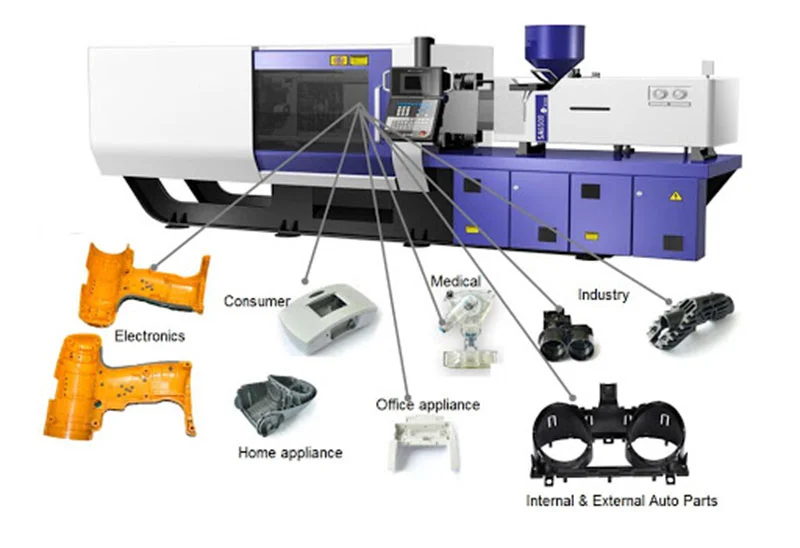
Consumer electronics production especially depends on the injection molding process.
- It is employed to manufacture highly accurate plastic components at fast and cost-effective rates. It is in demand to produce objects like smartphone cases, laptops, and TV casings. One unique characteristic of injection molding is the ability to create intricate shapes and designs, which is important for current electronics.
- It involves heating a plastic material and shooting it into forms that allow molding the material. When the plastic has been formed, it cools as well, which helps attain the right shape of the wanted object. The advantage of this method is that it is fast and can generate many numbers of parts with standard quality. Manufacturers prefer injection molding as it assists in cutting production costs while delivering the best quality and robustness.
- Injection molding also develops lightweight and strong parts for portable electronic devices. As an evolving technology, this method progresses as new materials and techniques are developed, further enhancing its benefits to the electronics industry. The incorporation of new technologies and materials shows that injection molding continues to be an essential element of electronics production.
Key Trends in Injection Molding for Consumer Electronics:
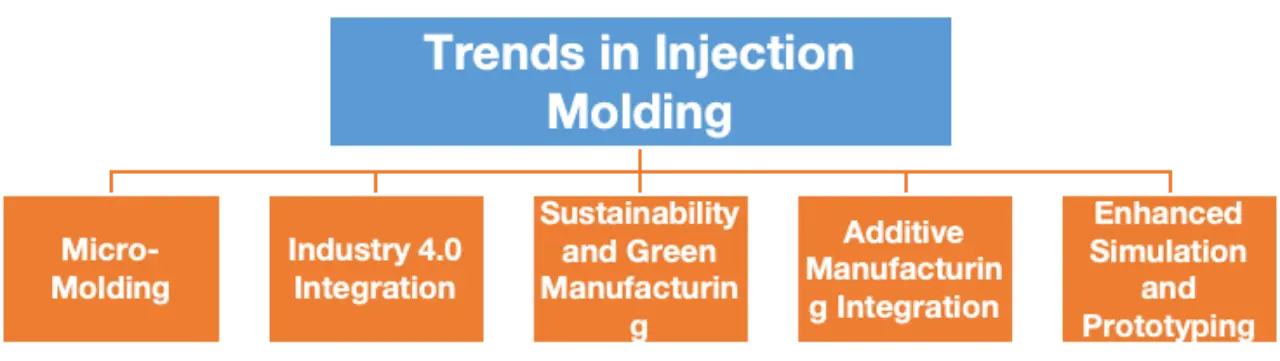
It is essential to know the trends in injection molding to counter competition. These trends reveal that the industry is competitive, innovative, and efficient.
1. Micro-Molding:
This is where micromolding is becoming very important. They indicated that there is a high demand for small parts of products. These parts are applied in compact appliances and wearable electronics. This trend can be used to produce small and highly detailed parts.
2. Industry 4.0 Integration:
Industry 4.0 is transforming injection molding. It employs IoT, Artificial Intelligence, and Machine Learning in smart manufacturing. These technologies provide the advantages of real-time tracking. They also offer equipment prognosis and enhance quality control. This leads to enhanced efficiency and reliability in production processes, and it has a positive impact.
3. Sustainability and Green Manufacturing:
Sustainability has emerged as a significant consideration in the field of injection molding. Recycled and biodegradable materials are being incorporated at various organizations. These materials also work to minimize wastage and its harm to the environment. Various measures towards energy conservation strategies are also employed. This ranges from minimizing energy use and optimizing energy usage for productive purposes. It uses minimal physical prototypes, such as green manufacturing. It minimizes trial-and-error iterations. This is efficient since it eliminates the need for constant follow-ups, thus saving time and resources. It also increases customer demand for greener products.
4. Additive Manufacturing Integration:
Now, design for additive manufacturing, or 3D printing, is being merged with injection molding. This has the advantage of combining approaches that can be very useful in the following ways. It is particularly applicable to developing a prototype and in situations involving a few products. This way, components can be made relatively faster and cheaper when using 3D printing of molds. This method differs from the others and is quite flexible, allowing for intricate designs that cannot be obtained using traditional methods. Manufacturers across different industries, such as the automobile and healthcare industries, are increasingly beginning to use it.
5. Enhanced Simulation and Prototyping:
Modern, powerful simulation tools are taking design optimization to the next level. These tools assist in developing the correct models in computer simulations before the commencement of the manufacturing process. This is because it reduces the use of physical prototypes and the various loops of possible trial and error. It also needs to be noted that by implementing simulation, the rate of development is increased while the costs are reduced. It helps to guarantee that the design contains the best possible combination of designs ready for manufacturing, thus increasing general efficiency and product quality.
These trends demonstrate how injection molding is overcoming some of its specific weaknesses and realizing new potential in modern applications. Consequently, through the application of 3D printing and advanced simulation, one can enhance production processes and fulfill the requirements of modern consumer electronics.
Innovations in Materials and Processes:
The factors we have examined in this section suggest that powerful advances in injection molding for consumer electronics are underway due to innovations in materials and processes. These advancements increase the portability, reliability, and sustainability of the gadgets commonly referred to as electronics.
1. Advanced Materials:
Many changes are present in the injection molding of bio-based polymers and bioplastics. Products like PLA, PHA, PBAT, and PBS have better mechanical properties and high performance and contain environmental advantages. These were bio-based, and they helped cut down on fossil fuels, lowering carbon emissions while being biodegradable and eliminating plastic product pollution. Other forms of biocomposites, such as wood fiber composites and hemp-based plastics, are also being used for strength purposes besides being renewable.
2. Multi-Shot and Over molding Techniques:
Multi-shot and over-molding techniques are the chief processes developing in the industry. These methods involve consolidating various materials into an individual component without using solvents or adhesives. This improves the quality and appearance of the final product. For example, it can be used to develop device housings that serve a protective purpose and enhance aesthetic value. They also facilitate ergonomic designs where objects, particularly those used daily, require less effort and are more comfortable to handle.
3. Nano-Molding and Micro-Texturing:
Nano molding and micro-texturing are advanced techniques that modify the surface finish of the ultimate electronic products. These techniques help minimize reflectivity on the surface that appeals to the aesthetic attractions of high-end consumer electronics. Such products tend to have a more refined appearance and are relative to those who care about the item’s functionality and its look.
These innovations in materials and processes are particularly crucial for maintaining and enhancing competitiveness in consumer electronics. By incorporating these improved materials and processes, one can create resource-friendly and aesthetically appealing effective devices. This helps ensure that injection molding remains one of the most critical processes employed in producing the most advanced electronic products.
Applications of Injection Molding in Consumer Electronics:

Injection molding plays a significant role in the creation of different parts connected with consumer electronics. It also gives accuracy and speed in producing parts with tight tolerances and quality specifications.
i. Device Housings:
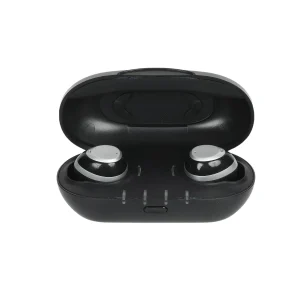
Injection molding is extensively used to make covers or housings for different electronic devices. This includes cases for smartphones, laptop bodies, and TV casings. These housings, however, provide cover to the inner part of devices. They also serve as an advantage in terms of appearance and can accommodate the incorporation of working aspects such as buttons and ports.
ii. Components and Attachments:
This process also makes the necessary components and attachments as well. They include buttons, knobs, sockets, and clips. Careful calibration and a high degree of integration are necessary at this level. Each piece should work harmoniously and be well constructed. It guarantees that every piece the custom mold produces creates a precise design without deviation.
iii. Screen and Lens Covers:
Injection molding makes plastic enclosures, shields, covers, and other parts for screens and lenses. These covers protect displays against any form of abrasion or forceful impact. They are useful in smartphones, tablet computers, digital cameras, and many other gadgets. The rigid plastic is also quite robust and can be transparent.
iv. Heat Sinks and Shielding:
Injection molding is also employed to make heat sinks and shielding components. These parts cool and shield other delicate components from mechanical interference. Thermally conductive plastics are traditionally used to enhance the cooling abilities of plastic parts.
These applications clearly show how effective injection molding is in manufacturing components in consumer electronics. Through this process, manufacturers can easily make tough and strengthened parts to meet their high-quality standards. This process fosters innovation and goes a long way in catering to the increasing market demands for electronics.
Quality Assurance and Compliance: ​
Quality assurance in injection molding is a crucial factor in manufacturing consumer electronics to meet the required quality. This involves strict procedures and compliance with other standards to ensure the end product is as required and does not develop faults.
i. Quality Control Practices:
Automated optical inspection systems are used to monitor quality control in the automotive industry. These systems help determine where defects may have arisen because they scan each part of the circuit. This technology would help make all measured products precise to avoid cases where a particular product might have defects and be already in the market.
ii. Importance of Regular Inspections:
Moreover, it is important to carry out inspections at different stages of production. These include the materials used in making the product, the mold design used to make the final products, and the final product assessment. These stages also help the manufacturers detect abnormalities in the production process and make corrections before proceeding to the next stage, thereby maintaining quality.
iii. Use of Statistical Process Control:
Statistical process control (SPC) is yet another method used in quality management. SPC is applied to injection molding, where observations are made and statistical techniques are employed to control the process. This assists in making changes in case of deviations and conformity as a way of preventing large defects.
iv. Adherence to International Standards:
Relying on international standards such as ISO and FDA certifications is highly important. These certifications prove that a manufacturer can produce its products within high quality and safety standards. They help establish confidence within consumers and, at the same time, guarantee that products are safe for use. Companies also verify these standards internally and allow outside auditors to maintain such a formal system.
v. Case Studies of Successful Compliance:
If implemented properly, the above standards will greatly influence the trust created in the market. For instance, manufacturers who regularly produce goods that meet the requirements of the ISO and the FDA usually receive an increased level of customer satisfaction and, therefore, loyalty. These companies also record fewer cases of recall and legal claims, which helps to build up their reputation and market standing.
There are strict technical requirements for quality assurance in injection molding, which are based on modern technologies, constant inspections, and compliance with specifications established at the international level. Through these practices, manufacturers can guarantee that they are producing products of the best quality, free from any form of danger, and durable enough for the consumer to use.
Future Prospects and Challenges:
The injection molding industry is at an impressive growth and development stage, indicating greater potential in the future. These considerations embrace global operation and growth, technology factors, and environmental management.
Global Market Expansion:
The injection molding industry is steadily growing internationally, with the greatest potential in the Asia-Pacific and Latin American regions. These regions have experienced a boost in industrialization and economic development. These markets attract the firms’ attention to expand their market niche and cut production expenses. Another part of the successful regional manufacturing and supply chain management hinges on diversified strategies.
Technological Advancements:
Injection molding is becoming more efficient due to technological improvements. This means the advanced use of artificial intelligence and robotics in manufacturing processes. These technologies increase productivity and accuracy and decrease labor costs. The other change that might be seen in future innovations is a higher level of automation and the production of better materials for use in products. These benefits will assist manufacturers in sustaining the competitive nature of the market and satisfy increasing consumer demands.
Environmental and Regulatory Challenges:
Environmental and regulatory problems are among the challenges that affect the industry. New regulations bring in more sustainable practices within renowned companies. This involves using environmentally friendly resources and cutting down on fixtures and fittings. The critical innovation strategy task is finding the right mix between innovation, compliance, and the environment. These risks still present a useful model for global firms to uphold the confidence and reassurance of business consumers.
Therefore, the injection molding industry has the potential to grow and enhance its productivity in the future. If businesses adapt to market changes by focusing on regional growth, embracing technology, and being more sustainable, they have the potential to succeed. Implementing these strategies will help them to be in a position to meet the needs of the future beyond the future challenges.
Conclusion:
Plastic injection is crucial in the electronics industry, as it allows the consistent production of different products, such as mobile phone covers and laptop shells. Key trends such as micro-molding, Industry 4.0 integration, and sustainability are driving innovation. Newer materials contribute to and improve product performance and environmental impact. Some management practices include quality assurance, which aims to maintain high standards and ensure compliance with the industry’s set standards and norms. It also prepares for future expansion by adopting technology and geographical diversification.
HiTop Industrial specializes in injection molding services. We provide enhanced solutions which are beyond the standard quality. Contact us today to discover more of our advanced services and features.


