

Injection molding is one of the most important processes in modern furniture production. It is a process of working materials with a mold to give it the required shape. It is used to create long-lasting and elegant furniture, which is very important for usage in our homes. This method is also suited for large-scale production and is very accurate. It also assists the furniture makers to come up with unique designs that can be made in the shortest time possible. This method encourages innovation and is suitable for addressing industry needs. This process is a masterpiece in the fabrication and creation of furniture in a very efficient manner. But how does it help or play an important role in the development of furniture design? Let’s explore further.

What is Injection Molding for Modern Furniture Design?
Injection molding is a technique for making furniture parts that involves melting plastic material and pressing it into a mold. This technique is important in modern furniture design for several reasons.
- It enables its users to create large production runs with intricate shapes and other designs, which are otherwise hard to produce with high accuracy and efficiency with other manufacturing methods.
- It can be concluded that injection molding positively influences efficiency in the furniture industry by decreasing the costs and time taken to manufacture furniture. It favors innovation by allowing the designers to develop complex and innovative designs in the model with incredible precision and uniformity. This method is environmentally friendly and sustainable since it involves bioplastics and recycled polymers, which are vital in the current market.
- Furthermore, injection molding is crucial in the production of lightweight and durable furniture to make furniture more ergonomic and flexible.
Key Injection Molding Techniques in Modern Furniture:
Techniques like injection molding are one of the most important factors in contemporary furniture design, helping in creativity, accuracy, and proper usage of various materials.
Below are some of the key techniques:
Standard Injection Molding:
- Standard injection molding is another common process used in furniture manufacturing. This involves using heat to bring together plastic granules and forcing or injecting the molten material into a mold. When the plastic gets into the inside of the mold, it cools and solidifies into the design of the mold. This process is suitable for the manufacturing of numerous identical and highly accurate products at once.
- Other frequently used materials for this aspect are thermoplastics such as polypropylene (PP) and acrylonitrile butadiene styrene (ABS). These materials are highly durable, flexible, and low-cost. This technique is commonly used in the making of furniture parts, such as chair legs, support arms and any knobs on drawers.
Over-Molding and Insert Molding:

- Over-molding is a process in which one plastic material is molded onto another material that has already been molded into another plastic material. It begins with fabricating a basic part or element, often made of plastic materials. The component is then inserted in another mold, and another material is injected on top of the first. This method enables one to use various materials in making furniture components that can be used for other purposes as well. For instance, a rigid acrylic base can be formed by thermoplastics to over-mold and thus add a softer rubber-like material to form comfortable grips on furniture handles.
- Insert molding, on the other hand, is a little more complex. It refers to the process of using a previous part made of metal or ceramic and then setting it into a mold. The insert is then placed into the plastic, and the mixture is injected so that it sticks to the insert. This method is applied to improve the strength and utility of furniture parts, such as the reinforcement of plastic furniture components with metal fibers.
Micro-Injection Molding:

- Micro injection molding is a technique used to mold elements that are very small and complicated. This is crucial, especially in the production of small and accurate items like screws, nuts, door knobs, joints, etc. This method involves using pressure to force molten plastic into a very detailed mold to manufacture parts with specifications of a few micrometers. This is important because manufacturers need to fit tiny parts into larger assemblies without mistakes such as gaps or misalignment.
- Another advantage of micro-injection molding is the complexity of the shapes that can be manufactured and that are not possible to create with normal molding. The process also enables the incorporation of high-performance materials, which is necessary for parts that need the attributes of strength and elasticity. This technique is very useful, especially in the manufacturing of quality furniture, where perfection in every detail is vital.
Gas-Assisted Injection Molding:

- Gas-assisted injection molding is an enhanced process that involves incorporating gas, normally nitrogen, under pressure into the mold. This is particularly useful when developing thin and lightweight furniture elements. It starts with the formation of a mold and partially filling it with molten plastic material. The pressurized gas is then injected, which fills the part with air, causing the dense plastic to be pressed against the walls of the mold.
- Implementing this technique has numerous advantages. It cuts down material while ensuring a suitable density is provided to the part, and it also enables lighter parts with improved strength to be manufactured. This weight reduction is particularly beneficial in furnishings manufacturing, where transporting and assembling lighter parts is easier and less costly. Also, gas-assisted molding provides fewer problems associated with sink marks and warping, resulting in improved surface quality of the molding.
- Gas-assisted injection molding is also used to manufacture large, intricate furniture parts, such as chair backs and arms, that require strength and lightweight properties. This property and advantage make it a go-to material for manufacturers who seek to revolutionize furniture production.
These applications of injection molding are pivotal in the furniture industry as they allow companies to pursue the production of unique, reliable, and lightweight furniture. These methods will remain important in determining the future of modern furniture design as technology advances every day.
Materials and Sustainability in Injection Molding:
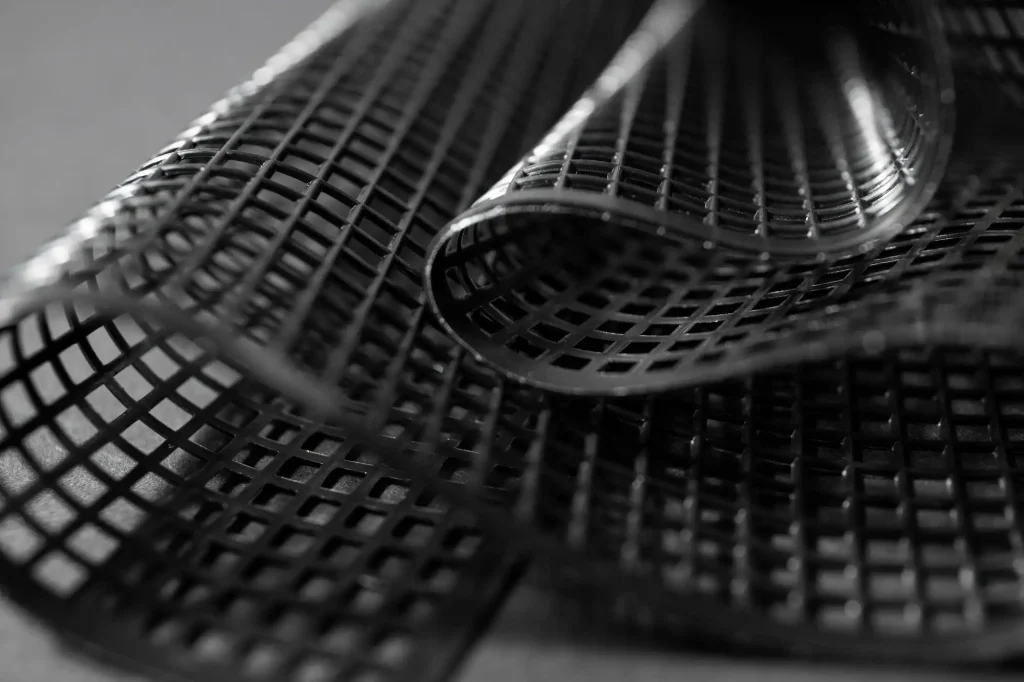
Technological advancement in furnishing injection molding is centered on appending new and eco-friendly materials to boost performance.
Below are some key aspects:
Innovative Materials:
The materials utilized in post-modern injection molding are important factors in the production process.
- Bioplastics and bio-based polymers are at the vanguard of this revolution. These materials are produced from sources such as corn, sugarcane, or other starchy materials or plant-based products. They are a viable replacement for conventional petroleum-based plastics because they are made in a manner that is more environmentally friendly, and they are biodegradable.
- Other high-end materials, such as Carbon Fiber fiber-reinforced polymer (CFRP) and Glass Fiber fiber-reinforced polymer (GFRP), are also becoming popular. These materials are considerably composite but very resistant, which makes them appropriate for high-performance furniture design. They are most useful in places where strength and light matter most, like ergonomic furniture and other luxury items.
Sustainability Practices:
Sustainability in injection molding is not just limited to the use of environmentally friendly raw materials.
- Many manufacturers are now implementing strategies such as recycling and waste minimization. The efficient management of waste and the recycling of materials help companies reduce their negative impact on the environment and achieve higher efficiency in production.
- Energy-efficient equipment is also receiving a lot of attention in improving the sustainability of various activities. Such products use less energy and provide less heat, which not only saves the cost of energy but also protects the environment. Furthermore, more ecological components are incorporated to show that the products are easier to recycle or decompose once they are no longer useful.
- Some furniture companies are responding to this critical area by implementing sustainable development strategies. They use recycled materials in their products and have a closed-loop supply chain whereby wastes produced during production are fed back into the production process. These efforts present the possibilities of tackling innovation and sustainability in the furniture industry.
This specific injection molding method has also opened the door to the innovation of eco-friendly materials and processes for furniture production. The above developments are not only beneficial to environmental conservation but have also provided new opportunities for innovative and sustainable designs.
Design Flexibility and Customization:
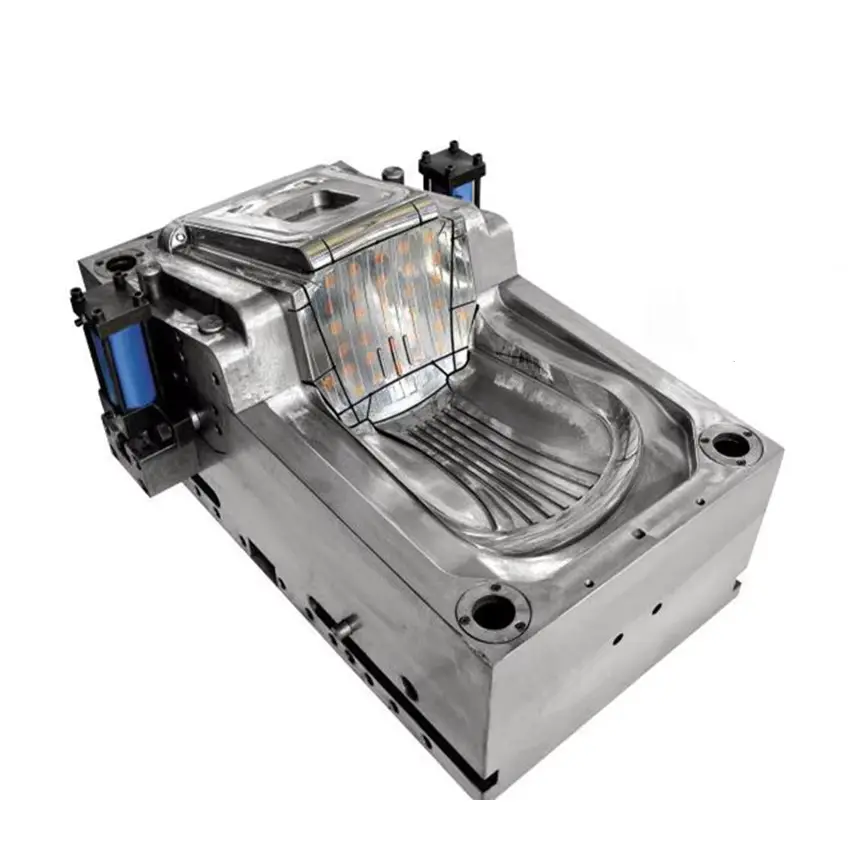
Injection molding is particularly useful in furniture design since it generally provides flexibility and accuracy in the design process.
Here are some key aspects:
Customization Capabilities:
The process of injection molding gives the ability to produce tremendous levels of customization on the furniture through intricate and innovative techniques. Tools are pre-designed to meet specific standards, and through the use of molds, manufacturers can make objects of desired shapes and features that differentiate products in the market. This level of customization helps companies add value to their products to make them unique and satisfy the consumers’ needs as per their preference for the design and functionality of the product. High levels of CAD and modular tooling also assist this process and ensure that the change-over can occur rapidly and effectively.
Design Freedom:
Injection molding also allows for great design flexibility, especially when creating objects with small details or unique shapes.
- Such a process entails various parts fitting well together so that each one complements the other. For instance, over-molding and insert molding often involve the use of different materials, which have both aesthetic and utility functions in a single product. This flexibility is essential to producing new furniture pieces that are much more distinct for their uniqueness and improved sturdiness.
- Some examples of furniture that can be designed using such techniques include chairs with slatted backs and seats where supports form part of ergonomic structures and multifaceted furniture that employs several types of materials for strength and flexibility on the same piece. These techniques not only enhance the comfort of the end product but also enhance the looks of modern furniture, thus offering consumers both style and comfort in a single package.
This level of customization and design, practiced in injection molding, is revolutionizing the furniture market and the production of exclusive quality furniture for consumer needs.
Applications of Injection Molding in Modern Furniture Design:

Therefore, injection molding has emerged as a vital practice in the contemporary furniture manufacturing process because of the many benefits that come with implementing the process. Here are five key applications of injection molding in contemporary furniture design:
- Production of Complex Geometries: By using injection molding system, designers are able to achieve designs on furniture that may not be possible to achieve with other styles of production. This strength is especially beneficial when used for manufacturing chairs, tables, and other furniture items that need intricate and organic designs that are developed to fit the human shape or preferential appearance.
- Integration of Multiple Materials: Due to techniques like over-molding and insert molding, injection molding allows the use of versatile and strong materials in furniture. For example using a rigid plastic frame making it strong and durable while using softer rubber coating to make it more comfortable to grip. The integration also helps in improving the practical use of the furniture as well as adding an aesthetic value to the furniture.
- Lightweight and Durable Furniture: It plays a great role in manufacturing of mold furniture parts that are both light in weight and strong. Other processes such as the gas assisted injection molding also help to decrease the total mass of furniture pieces without adverse effects on mechanical characteristics, thus facilitating handling and transportation of modern furniture with high performance and durability.
- Customization and Personalization: The injection molding process produces high precision and repeatability, thus offering variety in furniture production. Compared to other materials used in the production of furniture, molds can be altered with relative ease depending on the requirements of a particular customer therefore manufacturers can opt to produce furniture pieces that are unique to a particular client’s tastes and functional requirements. This characteristic is becoming valuable especially when the end-users are looking for specific and customized products.
- Eco-Friendly Furniture Production: As the current and future market becomes more conscious of the use of eco-friendly products, injection molding has had to adopt the use of bioplastics and recycled material in furniture manufacturing. This approach not only minimizes the negative effects of the environment but also includes the objectives of a sustainable modern client as well as organizations. Actually, furniture made out of environmentally friendly injection molding is a perfect blend of sustainability and style.
These applications demonstrate how injection molding remains an essential technology in extending the innovation of modern furniture production, enabling the creation of innovative, functional, high-value furniture at scale and sustainability.
Conclusion:
The use of injection molding technology has transformed furniture production in the modern world by providing the production of numerous quantities of furniture products that are complex in design, decorated with detailed and detailed designs, and made from a wide range of different materials. The use of this material is perfect for customization. It has great design versatility that can greatly help furniture makers produce high-quality and environment-friendly furniture within a short period of time. Challenges such as the threat of augmented demand for sustainability and, ultimately, the advancement of technology are threats but also opportunities for the industry.
HiTop Industrial is one of the most prominent service providers in this sector. We incorporate the best practices of injection molding to develop bespoke furniture products. As for corporate values, we are focused on sustainability and innovation to create our unique products. For more information on how we can make your design dreams come true and to discuss your project in detail, please contact us today.


 English
 Arabic
 German
 Spanish
 French
 Italian
 Javanese
 Korean
 Portuguese
 Russian
 Hindi
 Chinese
