


Injection molding is gradually becoming a game changer in the textile and fashion industry because it is precise, efficient, and environmentally friendly.
This technology transforms conventional manufacturing of these accessories and catalyzes new developments in functional apparel, knitwear, and three-dimensional shoe upper parts.
While the manufacturing industry shifts its focus toward greener methods and new innovative technologies, injection molding is at the forefront.
So, what witnesses change during this process, and why is it considered so significant? Read on to find out how injection molding influences fashion for the future.
Injection Molding in the Textile and Fashion Industry
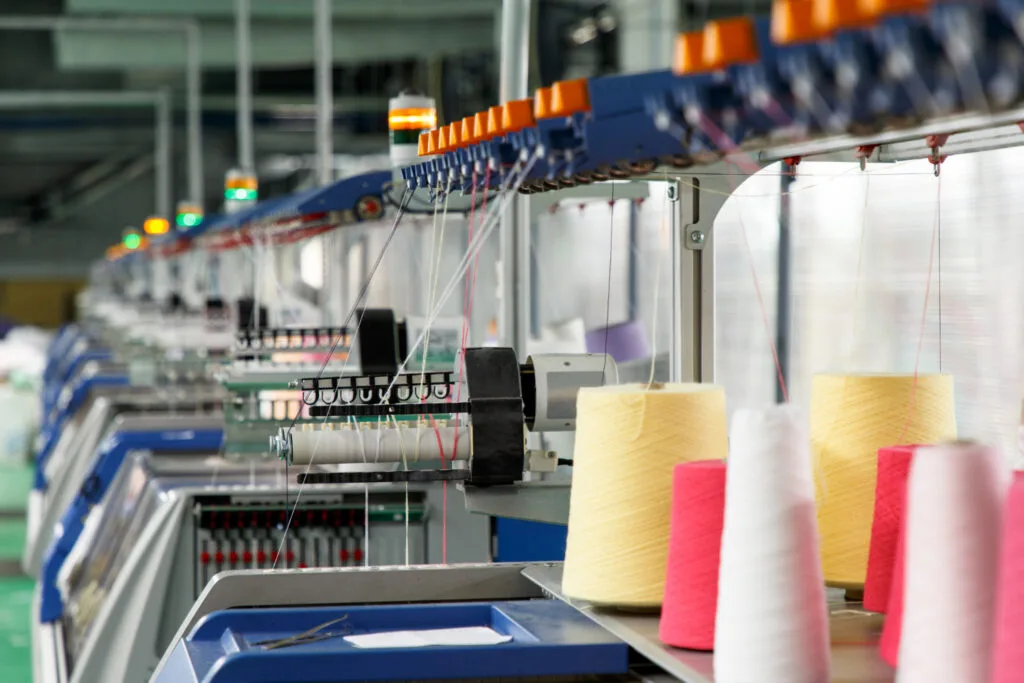
In the textile and fashion industry, injection molding plays a vital role as it offers a cost-effective yet qualitative production solution that meets functional and fashionable requirements.
- It refers to the practice of forcing materials in a liquid state at high temperatures, such as plastics or elastomers, through a mold, where they harden as they cool. This technique is very accurate in making small and complex parts like buttons, zips, and other trinkets and embellishments found in textile products.
- Functional fabric is one of the most important areas where textiles widely use injection molding. Such fabrics may have specific characteristics necessary for certain applications, like water resistance, fire resistance, or protection against microbes. Such properties can be incorporated into the fabric directly through the injection molding process to improve performance without affecting aesthetics or comfort issues. For instance, this technology is utilized by outdoor gear makers to make waterproof and breathable labels, which are infused into garments to enhance both utility and sturdiness.
- In the fashion industry, it is also crucial in the manufacture of seamless apparel and injection-molded, three-dimensional shoe uppers. In addition to increasing production efficiency, the capability to fabricate multilayered three-dimensional structures in one process can decrease material usage. This method is friendly to sustainable manufacturing since it does not require extra sewing or cutting of fabric, hence minimal wastage.
- In addition, integrating Industry 4. 0 technologies in injection molding rapidly transforms this industry. Modern sensors, IoT technologies, and artificial intelligence in the form of smart systems allow for the continuous monitoring and improvement of the molding process. Such innovations facilitate standardized production, minimize the likelihood of product wastage, and enable the specific tailoring of textile merchandise. With the trend shifting from mass production to green and customized production processes, the Injection molding process is set to expand its use in the textile sector, enhancing the development of textile products.
In general, injection molding’s role in textiles and fashion is not only for making products but also for creating opportunities to develop new products with better designs, better functional parts, and more environmentally friendly ways.
Applications of Injection Molding in the Textile and Fashion Industry:
Injection molding is a promising approach to improving functionality and sustainability in manufacturing processes in the textile and fashion industry.
It provides new concepts that have become vital in different processes in the textile industry today.
Production of Textile Accessories:

Injection molding provides highly precise, consistent, and efficient results in manufacturing textile accessories.
This process is widely applied to produce products such as buttons, zippers, hooks, and fasteners.
Such components are made through injection molding since this method ensures they are developed with precise dimensions needed for their tasks in several garments and textiles.
The method is quite efficient in that it can produce many garments in one go, and the quality of each garment is not compromised.
This precision and efficiency make injection molding an ideal choice for manufacturing textile accessories that require a combination of strength and intricate design.
Creation of Functional Textiles:
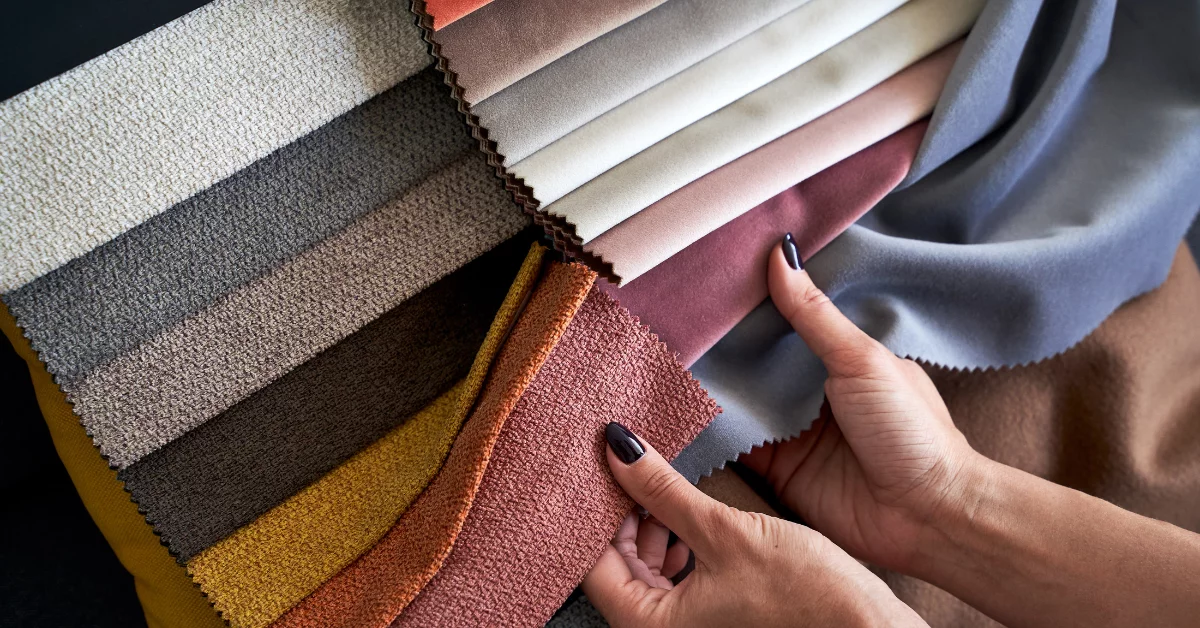
Injection molding is utilized again to manufacture functional fabrics that possess specific characteristics.
This process enables manufacturers to make fabrics with direct features such as water resistance, fire resistance, and antibacterial properties.
For example, outdoor gear manufacturers employ injection molding to generate labels that are watertight and fully permeable.
These labels are sewn in and provide the garments with added strength and gentleness against the skin.
It helps maintain the performance features of the textile in compliance with the aesthetic or functional requirements of the consumer.
Seamless Garments:
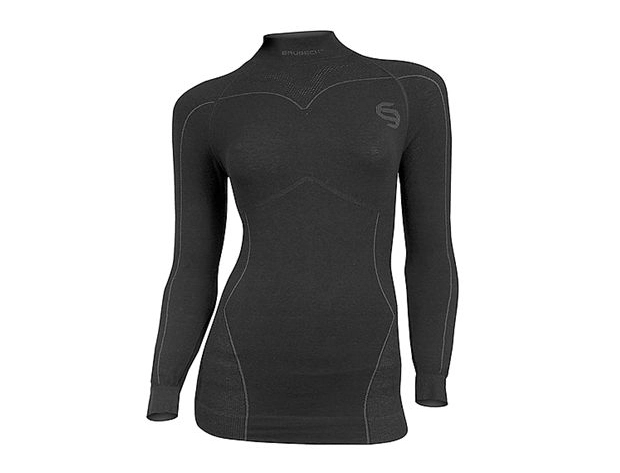
In luxury fashion, seamless garment manufacturing becomes more common through injection molding.
This technique is particularly effective in design and embroidery, as it creates complex patterns and patterns of ornamentation incorporated into the material.
Injection molding helps luxury brands create appealing garments that have a smooth finish.
Furthermore, this method is sustainable since it is possible to include recycled textile components.
Luxury fashion giants are slowly moving toward sustainable fashion by using recycled material in garments.
This approach significantly reduces the negative effects on the environment while addressing consumers’ increasing concern with purchasing luxury products that are environmentally friendly.
3D Shoe Uppers:

In the production of 3D shoe uppers, injection molding is quickly becoming a preferred process due to its accuracy and speed.
This process enables manufacturers to shape flexible materials into any 3D shape in one easy operation.
This leads to the creation of lighter, more ventilated shoe uppers that offer improved support.
This method is also less costly than traditional methods and is environmentally friendly because it decreases material waste and carbon emissions.
Nike and Reebok have effectively incorporated this technology in their shoes to enhance their performance and, at the same time, increase their sustainability.
Sustainable Textile Manufacturing:

It can be seen that injection molding is a very strong contribution to sustainable textile making.
It also permits the incorporation of sustainable materials, including bioplastics and recycled resins, which cuts the ecological footprint of manufacturing.
Properly managing the injection molding process ensures that material wastage is reduced, energy used in the process is conserved, and renewable energy sources are utilized.
This method also helps facilitate the circular economy objective of making products easier to recycle or compost when they reach their end of useful life.
Therefore, injection molding allows the implementation of various improvements and new responsible production processes in textile manufacturing.
It is becoming evident that injection molding plays a significant role in the progression of the textile and fashion industry, providing new, environmentally friendly, and cost-effective solutions in response to dynamic industry needs.
Therefore, it can be concluded that injection molding will undoubtedly play a significant role in the development of the industry as it progresses.
Sustainability and Environmental Impact:

Injection molding also plays a significant role in sustainability in the textile industry through product recycling and upcycling.
- Such a model enables manufacturers to incorporate recycled plastics and bio-based materials in their products, turning waste into a valuable resource. For instance, the recycling center of Panipat, India, recycles discarded textiles and turns them into yarns used to produce new products. This practice minimizes landfill waste and the utilization of resources, fostering a circular economy in the textile industry.
- It has also contributed to the enhancement of environmentally sustainable products like biodegradable resins by injection molding. These materials disintegrate over time, hence having a relatively small negative effect on the environment from textile waste. Manufacturers are now dumping biodegradable plastics and resins into their products to reduce their carbon footprint and dependence on hazardous raw materials.
In general, injection molding significantly promotes sustainability in the textile industry.
Moreover, by using recycled material and developing biodegradable products, this technology encourages the industry to move towards environmentally friendly production.
Challenges and Considerations:
When it comes to injection molding in the textile industry, several problems are technological and economical in nature.
Knowledge of these issues is, therefore, crucial when undertaking endeavors aimed at fine-tuning production processes to enhance competitiveness.
Technical Challenges:
Another technical consideration that is a drawback is the lack of flexibility in material selection.
Some textiles are made of materials that may not be ideal for injection molding because of the other materials used in making the textile.
For instance, getting the right combination of flexibility and strength, especially when using carbon-friendly materials that are relatively unknown, is a challenging task.
Further, processing complexity enters the picture where designing often involves complex designs and high-performance textiles where accuracy is a rule of thumb.
Another issue is the unlimited variability of topics and the difficulty of supposedly mass production.
In injection molding, there is a great ability to fine-tune and work carefully, but making this scale up to widespread production without major losses of efficiency or added costs can be challenging.
Economic and Industry-Specific Challenges:
In economic terms, one of the most significant challenges is the large initial investment required to adopt injection molding into textiles.
Such costs, for instance, involve acquiring sophisticated equipment, retrofitting existing structures, and altering supply chain networks.
In addition, the workforce has to be trained to effectively use the new technology, an extra cost and time factor.
The industry also has the problem of sustaining a skilled workforce capable of adapting to new technologies.
This is a crucial area in the global market competition.
Although injection molding has numerous benefits for the textile process, it is crucial to avoid these technical and economic barriers to its implementation and viability.
Future Trends and Developments:

The evolution of injection molding for applications in the textile and fashion industry is influenced by technological improvements and a conscious shift towards sustainable practices.
Here’s a look at some key trends:
Advancements in Smart Injection Molding:
AI and machine learning are rapidly changing processes needed for injection molding.
AI helps to improve these processes with predictive and preventive analytics and, therefore, significantly increases the accuracy of production.
This technology enables the large-scale production of customized products at a very productive rate without compromising the quality of the final output.
For example, in molding, the AI can vary the process in real-time to produce different designs, thus making mass customization of fashions possible.
Over time, this technology will become a primary means of optimization and innovation in fashion manufacturing processes.
Growth in Sustainable Fashion:
Sustainability is an important aspect of fashion for the future, and injection molding is central to this aspect.
The fashion industry widely uses such friendly products to the environment as biodegradable resins and recycled plastics due to efficient processing by injection molding.
These materials aid in minimizing the industry’s impact on the environment as they not only de-emphasize the use of non-renewable resources but also lessen waste. In the next ten years, circular fashion will consider the total life cycle of a product so that recycling can be encouraged.
Moreover, injection molding will remain vital in this process, as it will help create long-lasting and recyclable textiles and accessories compatible with circular economy concepts.
These trends suggest that as technology evolves and sustainability becomes even more pertinent to the fashion sector, injection molding will further enhance the industry by providing appropriate and inventive solutions that are both effective and sustainable.
Conclusion:
Injection molding has become a crucial technology in the textile and fashion industry, from making accessories to developing sustainable fabric.
With the help of practices such as employing AI and using environmentally friendly materials, this process can be outlined as a dominant factor in the industry’s future developments.
As these trends grow increasingly persistent and nuanced, companies will require dependable providers to help them traverse this territory.
HiTop Industrial is well-positioned to offer comprehensive injection molding solutions to the textile and fashion industries.
We have embraced quality and sustainability in our operations and are thus ready to meet the industry’s stringent demands.
Please contact us today to learn how we can help upgrade your production potential.


 English
 Arabic
 German
 Spanish
 French
 Italian
 Javanese
 Korean
 Portuguese
 Russian
 Hindi
 Chinese
