

Injection molding and additive manufacturing (often known as 3D printing) are two powerful yet fundamentally different manufacturing processes.

Injection molding is the go-to for high-volume production, producing thousands of identical, durable parts quickly and efficiently.
Additive manufacturing, on the other hand, is ideal for creating complex, custom designs in smaller batches, allowing for flexibility in design without the need for expensive molds.
In recent years, these two methods are increasingly seen as complementary.
Manufacturers are using additive manufacturing for prototyping and testing designs before moving to mass production with injection molding.
This combination not only speeds up the product development cycle but also reduces costs by minimizing tooling changes.
As technology advances, the synergy between these two methods is reshaping modern production, giving manufacturers the best of both worlds.
Understanding Injection Molding and Additive Manufacturing
When it comes to modern manufacturing, injection molding (IM) and additive manufacturing (AM) are two distinct processes that cater to different needs.
While IM is known for its ability to produce high volumes of identical parts, AM shines in customization and creating complex designs.
Injection Molding Overview

Injection molding involves injecting molten material, usually plastic, into a pre-made mold.
This material cools and solidifies, forming durable parts.
It’s efficient for producing large quantities, especially for standardized parts, due to its speed and consistency.
Additive Manufacturing Overview
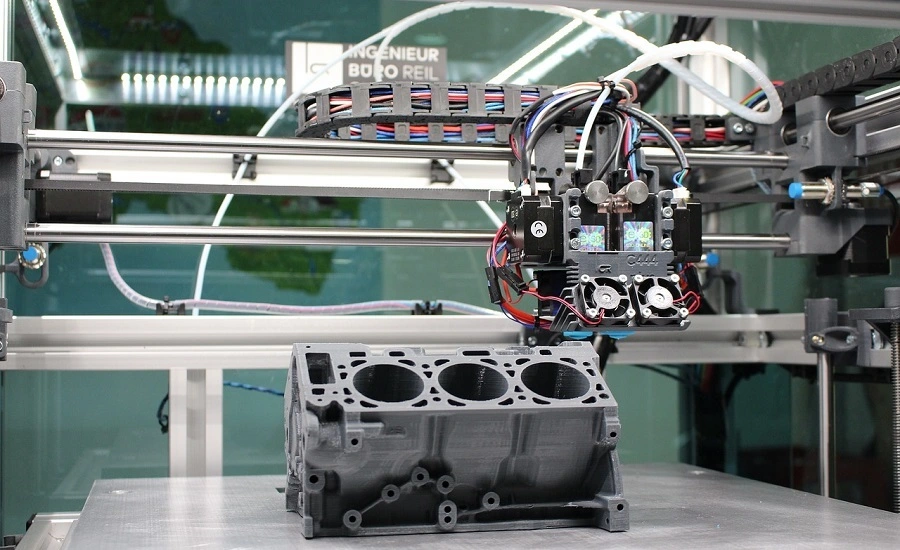
Additive manufacturing, or 3D printing, builds parts layer by layer from a digital model.
This method is incredibly flexible and ideal for creating intricate shapes and customized designs.
AM is popular for small production runs or prototyping, where design changes can be easily incorporated.
Each method has its unique strengths, making them versatile choices in various manufacturing scenarios.
Key Differences Between Injection Molding and Additive Manufacturing

Both injection molding (IM) and additive manufacturing (AM) have unique advantages depending on production goals.
Here, we’ll break down the key distinctions between these two manufacturing processes.
Production Speed and Cost
-
Injection Molding: Ideal for large production runs due to its speed once the mold is set. However, it comes with a high upfront tooling cost, making it best suited for high-volume orders.
-
Additive Manufacturing: Minimal setup time and lower upfront costs, making it perfect for prototyping and small-batch production. However, it’s slower per part compared to injection molding, which can add time for large-scale manufacturing.
Material Variety and Product Design Flexibility
-
Injection Molding: Offers a broad range of materials with excellent strength, but is somewhat limited in design flexibility. Complex shapes or hollow parts can increase costs significantly.
-
Additive Manufacturing: Great for intricate designs and unique geometries, but some limitations exist in part strength, especially with specific shapes or larger pieces.
When to Use Injection Molding vs. Additive Manufacturing
Choosing between injection molding (IM) and additive manufacturing (AM) depends on your project’s needs.
Let’s dive into when each method makes the most sense.
Best Fit for High-Volume Production

If you need large quantities of parts with consistent quality, injection molding is a reliable choice.
It excels in high-volume production, delivering robust parts with smooth surface finishes, which is ideal for industries like automotive and consumer goods.
Ideal for Custom and Complex Designs
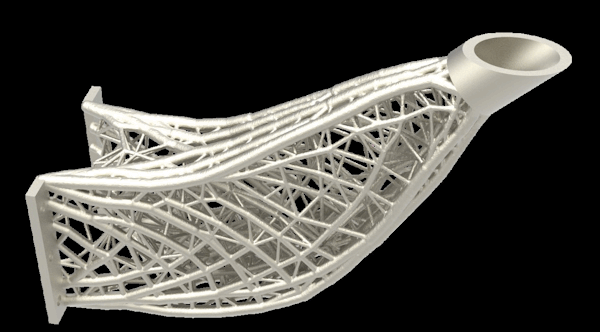
For complex, low-batch projects or unique designs, additive manufacturing is your go-to.
AM offers flexibility for intricate shapes and customized parts, which is especially valuable in fields like medicine and aerospace, where precision and customization are key.
The Synergy Between Injection Molding and Additive Manufacturing

Combining injection molding (IM) and additive manufacturing (AM) can significantly streamline product development and improve scalability from prototyping to mass production.
Here’s how these technologies work together for optimal results.
- Prototyping with Additive Manufacturing Before Scaling with Injection Molding
Starting with AM for prototyping enables fast and cost-effective design iterations.
This allows for testing and refining products without the upfront costs and time commitment of creating IM molds, saving both time and resources in the early stages.
- Bridge Production: Meeting Demand While Finalizing Injection Molding
Additive manufacturing can serve as an effective “bridge” to handle initial market demand while injection molding tools are in development.
This approach ensures timely delivery of products, providing flexibility and meeting demand even before full-scale IM production is ready.
Emerging Technologies Bridging the Gap

New hybrid technologies are reshaping the landscape of manufacturing by combining additive manufacturing’s (AM) design flexibility with injection molding’s (IM) efficiency.
Innovations like STEP technology now merge AM’s ability to create complex parts with IM’s speed, enabling rapid, cost-effective production without compromising on design intricacies or strength.
This blend is particularly useful for industries that demand high customization with scalability, ensuring manufacturers can meet modern production demands with both precision and speed.
FAQs About Injection Molding vs. Additive Manufacturing
Conclusion
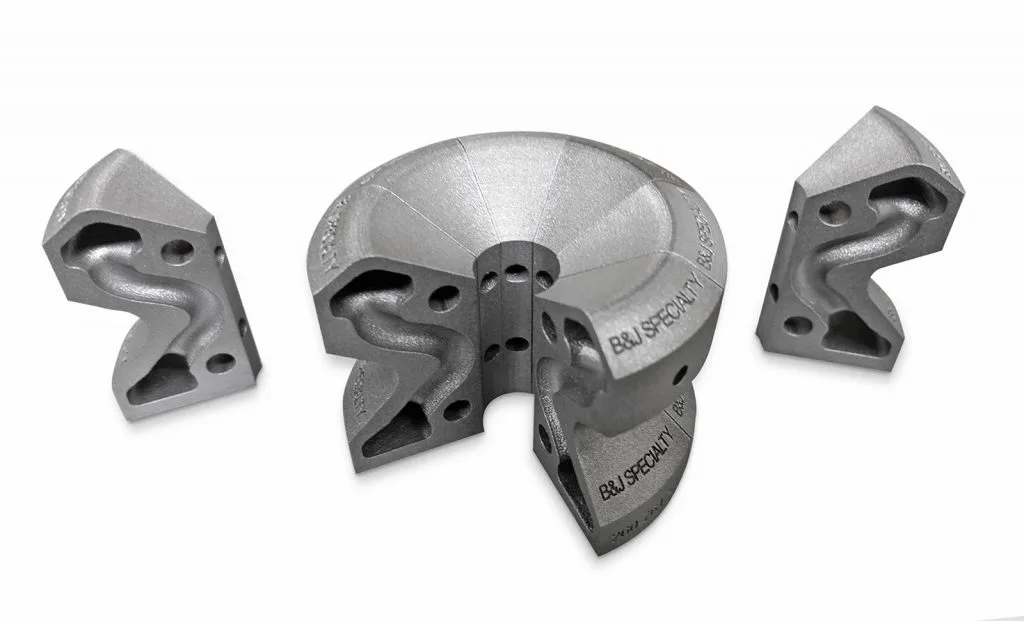
Injection molding and additive manufacturing complement each other by addressing different production needs.
Injection molding is ideal for high-volume, uniform parts, while additive manufacturing excels in prototyping and custom, complex designs.
Together, they can streamline product development and production.
Considering both technologies allows for a flexible, optimized approach to manufacturing.
Evaluate your project’s specific demands—like volume, design complexity, and material requirements—to choose the right method, or even a combination, for efficient and cost-effective results.
Related Articles
- Medical Injection Molding: Precision in Healthcare
- Liquid Silicone Rubber Injection Molding: A Detailed Guide
- Mastering Injection Molding Tolerances: Key Insights
- Reaction Injection Molding: Process, Benefits and Uses
- Injection Molding Defects and Their Solutions
- Aluminum Injection Molding: Cost, Benefits, and Design
- ABS Injection Molding: Key Benefits, Process
- Ultimate Guide to HDPE Injection Molding
- 10 Common Plastic Resins for Injection Molding
- Injection Molding vs. Compression Molding


 English
 Arabic
 German
 Spanish
 French
 Italian
 Javanese
 Korean
 Portuguese
 Russian
 Hindi
 Chinese
