

ISO 9001 certification is key in maintaining high standards across the injection molding industry.
This certification ensures that companies have robust quality management systems in place, resulting in consistent, high-quality products.

By implementing ISO 9001, injection molders demonstrate a commitment to quality and continuous improvement, building credibility and trust with their clients and setting themselves apart in a competitive industry.
What is ISO 9001?

ISO 9001 is a globally recognized certification that establishes quality management standards for businesses across industries.
Originating from the International Organization for Standardization, ISO 9001 focuses on principles such as customer satisfaction, a process-oriented approach, and continuous improvement.
These standards ensure companies consistently meet customer and regulatory requirements, enhancing product quality and reliability.
In injection molding, ISO 9001 not only provides a structured framework but also reassures clients of the manufacturer’s dedication to maintaining high standards and efficient processes.
Importance of ISO 9001 in Injection Molding

ISO 9001 is crucial in the injection molding industry, offering a structured approach to quality control, risk management, and operational consistency.
By following ISO 9001 standards, injection molding companies can ensure products consistently meet high-quality standards, reduce risks, and improve processes.
This certification fosters trust globally, as clients know they are working with a company committed to excellence and regulatory compliance.
The result? Enhanced customer satisfaction and a strong reputation for delivering reliable, consistent products.
Key Process Steps in ISO 9001-Certified Injection Molding

The ISO 9001 certification introduces a structured approach to injection molding, guiding each step from material selection to final quality control.
This systematic framework ensures consistency and enhances the quality of molded parts, giving manufacturers a clear roadmap to deliver reliable, high-quality products.
Here’s how each process step is influenced by ISO 9001 standards.
1. Material Selection and Preparation

ISO 9001 emphasizes that material selection should follow documented procedures, ensuring that only compliant and traceable materials are used.
This step involves evaluating materials based on their properties and intended use, guaranteeing that every component meets quality standards.
Proper documentation also facilitates traceability, so any material-related issues can be quickly identified and resolved.
2. Molding Process Control
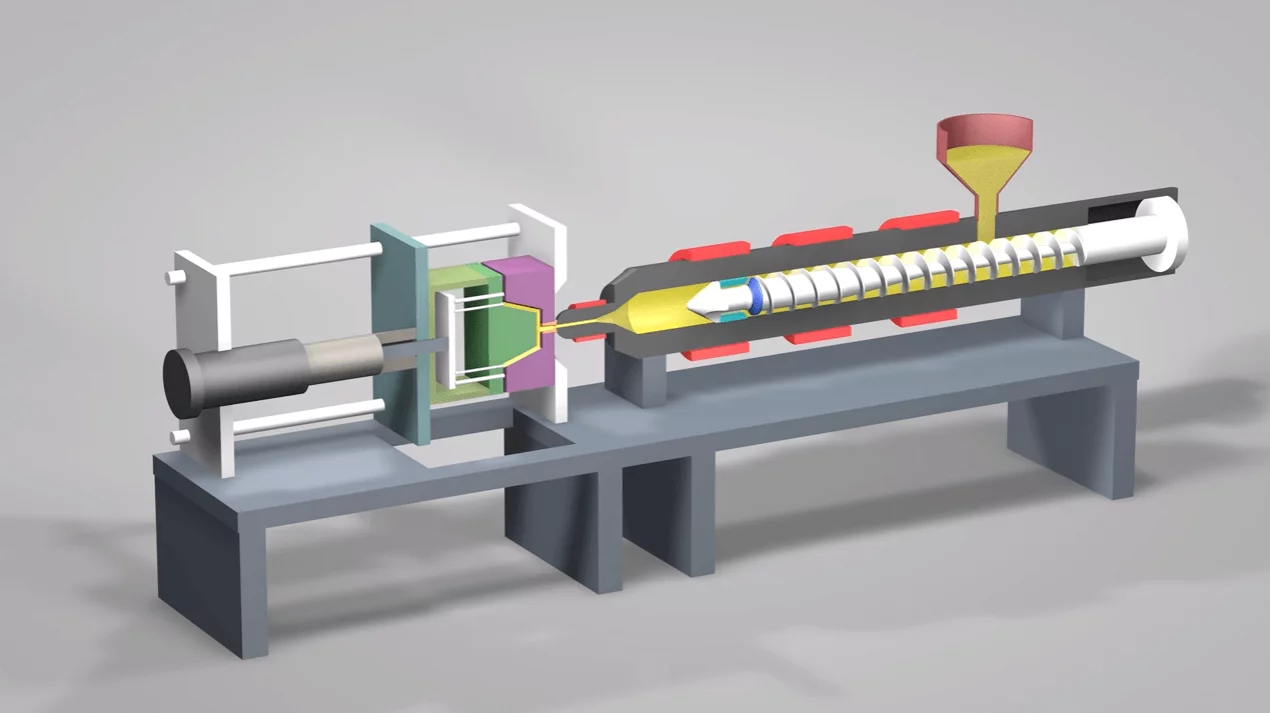
In injection molding, controlling variables like temperature, pressure, and cycle time is essential for product quality.
ISO 9001 requires consistent monitoring and adjustments to these parameters, which helps maintain uniformity across production cycles.
This systematic oversight minimizes defects and ensures that each batch meets the same quality criteria, fostering a reliable manufacturing process.
3. Mold Opening and Ejection

The mold opening and part ejection stages must be handled with precision to avoid damaging the product or mold.
ISO 9001 mandates controlled procedures for these steps, such as routine maintenance, proper lubrication, and specific ejection speeds.
This careful approach prevents damage, enhances operational efficiency, and guarantees consistent product quality.
Quality Control and Inspection
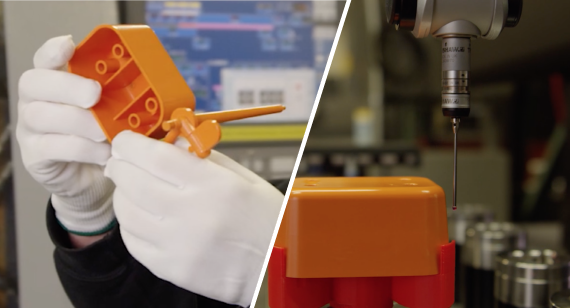
Quality control is at the heart of ISO 9001, demanding thorough inspection and testing protocols.
By implementing these procedures, manufacturers can verify each part’s quality, promptly address any inconsistencies, and maintain high customer satisfaction.
Documenting inspection results also provides valuable data for ongoing improvements, ensuring continuous quality enhancement in every production cycle.
ISO 9001 Principles in the Injection Molding Industry

ISO 9001 principles support both efficiency and quality in injection molding by focusing on key areas.
- Customer Focus
Prioritizing customer needs is essential. ISO 9001 encourages manufacturers to ensure each molded part meets client specifications, enhancing satisfaction and loyalty. - Leadership
Strong leadership sets the tone for quality and continuous improvement. Leaders in ISO 9001-certified facilities drive quality standards, motivating teams to uphold excellence. - Employee Engagement
Engaged employees produce better results. ISO 9001 promotes team involvement, training, and empowerment, contributing to consistent quality and productivity. - Process Approach
A structured approach to each step in molding minimizes errors and maintains product consistency, ensuring the process runs smoothly and efficiently.
Benefits of ISO 9001 in Injection Molding

Implementing ISO 9001 in injection molding provides multiple advantages that improve quality, trust, and efficiency across production.
- Ensuring Consistency
Standardized processes under ISO 9001 reduce variations, ensuring that every part produced meets consistent, high-quality standards. - Enhancing Customer Confidence
ISO 9001 certification builds trust with customers, who appreciate knowing they’ll receive reliable, quality products. - Supporting Sustainability
ISO 9001 encourages eco-friendly practices, helping companies align with sustainability goals through reduced waste and resource efficiency. - Risk Management and Mitigation
With a focus on risk assessment, ISO 9001 helps minimize defects, enhance reliability, and reduce costly errors. - Supplier and Material Control
ISO 9001’s supplier management guidelines ensure high-quality, traceable materials, fostering stronger quality control and accountability in production.
Overcoming Challenges in ISO 9001 Implementation

Implementing ISO 9001 in injection molding isn’t always easy, but understanding common obstacles and solutions can make a big difference.
1. Employee Resistance
Employees may resist changes.
Effective training programs and open communication can help them understand ISO 9001’s benefits, building acceptance and engagement.
2. Process Alignment
Integrating ISO 9001 into existing processes requires adjustments.
Process optimization, regular evaluations, and feedback loops help ensure smooth alignment, making it easier to uphold standards while minimizing disruptions.
FAQs Related to Iso 9001 Injection Molding
Conclusion

ISO 9001 certification in injection molding provides essential benefits, from ensuring quality control and consistency to enhancing customer trust.
This standard is vital for achieving reliable, high-quality products in today’s competitive market.
Consider partnering with ISO-certified injection molders to ensure your projects meet the highest quality and regulatory standards.
Quality-certified providers bring a level of expertise and reliability that can add value to any production needs.
Related Articles
Medical Injection Molding: Precision in Healthcare
Liquid Silicone Rubber Injection Molding: A Detailed Guide
Mastering Injection Molding Tolerances: Key Insights
Reaction Injection Molding: Process, Benefits and Uses
Injection Molding Defects and Their Solutions
Aluminum Injection Molding: Cost, Benefits, and Design
ABS Injection Molding: Key Benefits, Process
Ultimate Guide to HDPE Injection Molding


 English
 Arabic
 German
 Spanish
 French
 Italian
 Javanese
 Korean
 Portuguese
 Russian
 Hindi
 Chinese
