

Low-volume injection molding is the perfect solution when you need small quantities of plastic parts, typically ranging from 100 to 10,000 pieces.

It’s ideal for small batch production, prototyping, and on-demand manufacturing, offering a cost-effective alternative to traditional high-volume methods.
This process gives you the best of both worlds—the quality of traditional injection molding without the high upfront costs.
It’s especially useful for industries like medical devices and automotive, where quick design iterations and flexibility are essential.
What is Low-Volume Injection Molding?

Low-volume injection molding is a manufacturing process designed to produce small quantities of high-quality plastic parts, typically in runs of 100 to 10,000 pieces.
Unlike traditional injection molding, which is optimized for mass production, low-volume molding is flexible, allowing for shorter lead times, lower tooling costs, and faster turnaround.
This method is highly valuable for industries such as medical devices, automotive, consumer electronics, and aerospace, where prototyping and customization are crucial.
It enables businesses to efficiently test product designs, create functional prototypes, or produce limited runs without the need for large-scale production.
Key Benefits and Shortages of Low-Volume Injection Molding

Benefits
Cost-effective for Small Batches
Aluminum molds significantly lower tooling costs, and there’s no need for high minimum orders, making it ideal for smaller runs.Faster Lead Times
With quicker mold creation and simplified production steps, low-volume molding can drastically reduce time to market, allowing for faster product launches.Flexibility in Design
This method supports design iteration and refinement, helping you test and adjust parts before committing to large-scale production.Bridge for Mass Production
Serving as a bridge between prototyping and full-scale production, low-volume injection molding is ideal for companies transitioning to larger quantities without high initial investment.Reduced Inventory Costs
The on-demand production model minimizes storage needs, reducing the risk of excess inventory and allowing for more efficient inventory management.
Shortages
Limited Production Volume
While effective for small batches, low-volume injection molding may not be suitable for very high quantities where traditional molding becomes more cost-effective.Durability of Aluminum Molds
Aluminum molds may wear down faster than steel molds, potentially limiting the number of cycles they can handle compared to high-volume production tooling.Material Limitations
Not all materials are compatible with low-volume aluminum tooling, and certain high-performance plastics may require more specialized mold materials.
Common Plastics Used in Low-Volume Injection Molding
Selecting the right plastic for low-volume injection molding is essential, as each material offers unique properties suited to specific applications.
Here are some of the most commonly used plastics and their key characteristics:
#1 Acrylonitrile Butadiene Styrene (ABS)

Known for its durability and impact resistance, ABS is widely used in automotive parts, electronics housings, and consumer products.
This plastic is ideal for parts requiring a balance of impact resistance and surface finish, like automotive components and household goods.
#2 Polycarbonate (PC)

With high heat and impact resistance, Polycarbonate is valued for optical clarity, making it ideal for transparent applications such as eyewear lenses and medical devices.
It’s commonly used in automotive lighting, medical devices, and protective gear due to its excellent strength-to-weight ratio.
#3 Nylon (Polyamide, PA)

Nylon offers high wear and chemical resistance, making it well-suited to parts exposed to mechanical stress.
It’s frequently found in gears, bushings, and industrial parts that require high durability.
#4 Polypropylene (PP)

This plastic is highly resistant to moisture and chemicals, making it popular for packaging, lab equipment, and automotive parts.
It’s ideal for products such as containers and chemical-resistant parts that are critical for durability and resistance to harsh environments.
#5 Polyethylene (PE)

Available in both high-density (HDPE) and low-density (LDPE) forms, Polyethylene is known for its lightweight and impact-resistant properties.
It’s commonly used in packaging, containers, and other lightweight parts that need resilience without added rigidity.
#6 Thermoplastic Elastomer (TPE)

TPE provides rubber-like flexibility that’s both durable and soft, making it ideal for handles, grips, and seals.
It’s widely used in consumer goods, automotive parts, and soft-touch applications requiring high elasticity.
#7 Thermoplastic Polyurethane (TPU)

With excellent abrasion resistance and elasticity, TPU combines durability with flexibility, offering superior tear resistance.
It’s often chosen for footwear, medical devices, and protective cases for electronics, where both elasticity and resilience are needed.
How the Low-Volume Injection Molding Process Works

Low-volume injection molding is a streamlined process designed for flexibility, speed, and efficiency.
Each step plays a critical role in ensuring high-quality, functional parts for small-batch production. Here’s a breakdown of the process:
Tooling and Mold Design
Selecting the right materials and design for the mold is crucial. Aluminum and 3D-printed molds are commonly used due to their quick fabrication times and affordability.
Engineers carefully design molds to ensure precise details and durability across multiple production cycles, balancing cost with functionality.
Prototyping
Before committing to production, prototypes allow designers to test and refine part functionality.
Rapid prototyping, often with 3D-printed molds, enables swift adjustments, so any design issues are identified and corrected early, reducing overall production time and costs.
Setting Up the Injection Molding Machine
Setting up an injection molding machine involves configuring temperature, pressure, and injection speed for optimal performance.
Low-volume production machines are generally smaller and designed for quick changeovers, ensuring they’re ready for small-batch runs in minimal time.
Injection Molding Process

Clamping
The clamping system holds the mold tightly in place. A secure clamp is essential for keeping the mold halves aligned and preventing material leakage during the injection stage.Injection
The molten plastic is injected into the mold cavity at high pressure, ensuring the material fills every detail in the mold. Lower pressure may be used with 3D-printed or aluminum molds to prolong their lifespan.Cooling
Cooling allows the molten plastic to solidify and take shape. Aluminum molds generally require longer cooling times than steel molds due to their different thermal properties, but this can be managed with compressed air or interchangeable cooling stacks.Ejection
Once cooled, the part is ejected from the mold. Ejection methods vary, ranging from manual ejection to ejector pins that push the part out cleanly without damaging the mold.
Post-Processing
After ejection, parts may go through post-processing steps like trimming excess material (flash), polishing, and adding surface finishes. This stage ensures that parts meet all quality and aesthetic standards before they’re ready for use or further assembly.
Applications of Low-Volume Injection Molding

Low-volume injection molding is highly adaptable and serves a range of production needs across industries.
Here’s a look at its primary applications:
1. Rapid Prototyping
Low-volume injection molding is invaluable in early product development and prototyping stages.
Designers can create and refine multiple design iterations using this process, helping to confirm the part’s fit, functionality, and appearance before moving into mass production.
This capability enables manufacturers to perfect designs while managing costs and saving time.
2. Small Batch Production
For companies targeting niche markets or with limited production budgets, low-volume injection molding is a cost-effective solution.
It’s ideal for small batch runs where full-scale production might be unnecessary or too costly.
Manufacturers can produce precise, high-quality parts without a major investment in tooling or committing to large orders, making it perfect for startups or custom parts suppliers.
3. On-Demand Manufacturing
Industries with fluctuating demand, like consumer electronics or seasonal products, benefit significantly from on-demand production.
Low-volume injection molding allows manufacturers to produce parts only as needed, effectively reducing inventory costs and minimizing waste.
This approach also allows businesses to respond quickly to changing customer demands without the burden of excess stock, providing a flexible manufacturing solution.
Design Considerations for Low-Volume Plastic Parts
Designing for low-volume injection molding requires attention to several key factors to ensure the quality and performance of the parts.
Here are the critical considerations:
1. Material Selection
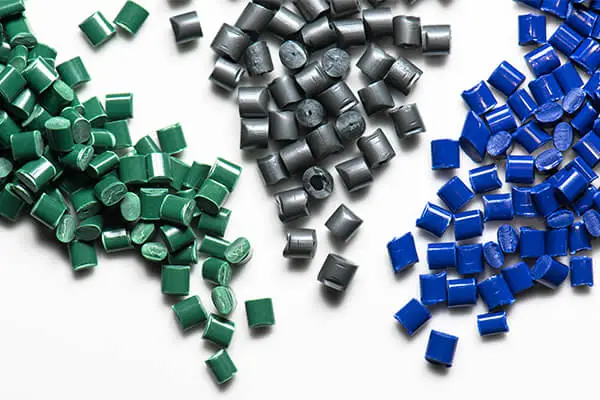
Choosing the right material is crucial for achieving the desired performance.
Consider factors such as thermal resistance, durability, and chemical resistance based on the part’s application.
For example, Nylon is ideal for components exposed to high temperatures, while ABS offers excellent strength and impact resistance for consumer products.
2. Wall Thickness

Maintaining a consistent wall thickness is essential to prevent defects like warping or sinking.
The general rule is to keep wall thickness between 0.04 to 0.14 inches (1 to 3.5 mm), depending on the plastic type.
Thicker sections can lead to uneven cooling, while thinner sections may cause incomplete filling or fragile parts.
3. Corners and Radii

Sharp corners create stress points and compromise part integrity, leading to potential breakage.
Using radii (rounded edges) instead of sharp corners helps to distribute stress more evenly, strengthening the part and improving moldability.
A good rule of thumb is to add a radius of at least 0.25 inches (6 mm) in corners.
4. Draft Angle

Adding a draft angle to vertical surfaces makes it easier to eject the part from the mold, preventing damage and extending mold life.
For low-volume injection molding, a draft of 1-2 degrees is typically sufficient, though more complex designs might require steeper angles for smooth ejection.
5. Multi-Cavity Molds

For larger low-volume runs, multi-cavity molds allow the production of several identical parts in one cycle, significantly reducing the cost per unit.
Although they involve higher upfront costs, the long-term savings make them ideal for companies producing higher volumes of parts within the low-volume range.
Low-Volume vs Traditional Injection Molding

Here’s a table that highlights the key differences between low-volume injection molding and traditional high-volume injection molding, providing a clear comparison across various factors:
Choosing the Right Low-Volume Injection Molding Partner

Choosing the right partner for low-volume injection molding is a critical step in ensuring the success of your project.
Here are the key factors to consider:
Production Capacity
It’s important to select a partner with the experience and capability to handle your production needs.
For low-volume injection molding, this typically means a partner who can manage volumes ranging from 100 to 10,000 parts efficiently.
Check their track record and ability to scale production if necessary.
Design for Manufacturability (DFM)
Ensure that your partner offers Design for Manufacturability (DFM) services.
DFM helps optimize your part and mold designs for smoother production and fewer defects.
A knowledgeable partner will provide valuable feedback on mold geometry, material selection, wall thickness, and draft angles, ensuring your parts are both cost-effective and high-quality.
Quality Assurance
Quality control is essential in low-volume production.
Look for a partner with a solid in-house quality assurance process that includes thorough inspections, certifications, and testing to ensure consistent results.
Features like automated inspections, first article inspection (FAI), and dimensional reports are a plus when choosing a partner.
Alternatives to Low-Volume Injection Molding
When considering manufacturing methods, there are several alternatives to low-volume injection molding, each with its own advantages and limitations depending on your project’s needs.
Here are some popular alternatives:
3D Printing

3D printing is an excellent choice for low-cost prototyping and quick design iterations.
It allows for the creation of highly detailed parts with minimal upfront costs and no need for molds.
However, it’s not the best option for mass production, as 3D printing can be time-consuming and often lacks the material strength needed for end-use parts in large quantities.
CNC Machining

CNC machining is another method suitable for low-volume runs.
It provides high precision and works with a variety of materials, including plastics and metals.
However, CNC machining is generally more expensive than injection molding when producing plastic parts in larger quantities, especially due to material waste and longer production times.
Thermoforming and Urethane Casting
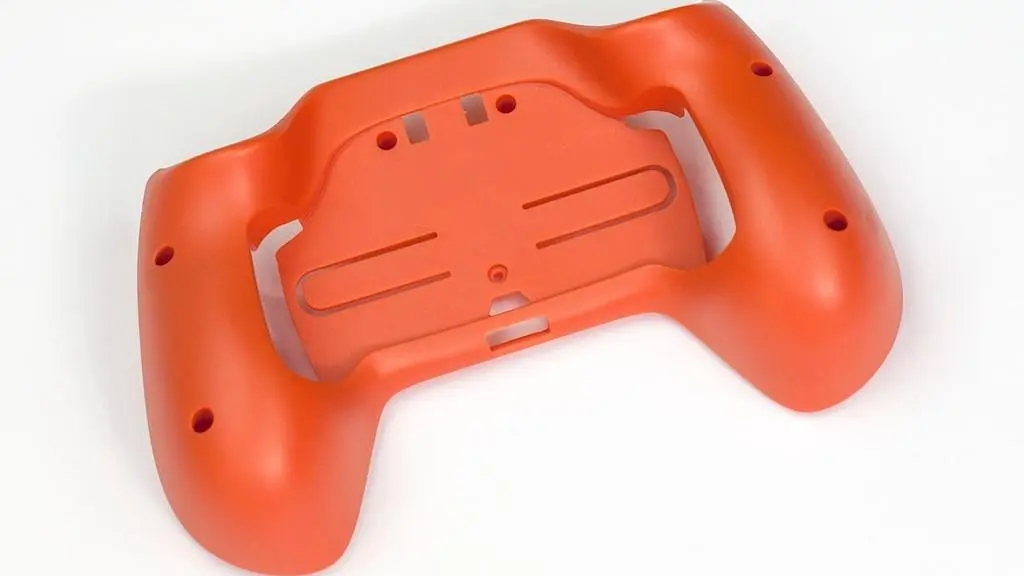
Thermoforming is an ideal choice for simple plastic components like trays or packaging, using heat and pressure to mold thin plastic sheets over a form.
It’s cost-effective but limited to simpler designs.
Urethane casting is useful for creating prototypes or small batches with minimal upfront cost.
It works by creating a silicone mold of a master part, which is then filled with liquid urethane to produce copies.
While it’s great for short runs, the molds wear out after limited use, making it impractical for larger volumes.
FAQs About Low-Volume Injection Molding
Conclusion

Low-volume injection molding is an excellent solution for creating high-quality parts in smaller quantities, bridging the gap between prototyping and large-scale production.
Its flexibility, cost-effectiveness, and rapid turnaround make it ideal for diverse industries.
Ready to explore the benefits of low-volume injection molding?
Contact our team today to discuss your project requirements and start producing custom parts tailored to your needs.
Related Articles
Different Types and Applications of Hot Runners
Hot Runner Injection Molding: Ultimate Guide
10 Everyday Injection Molded Products
Automotive Injection Molding: Process, Benefits and Uses
Top Injection Molding Machine Manufacturers
Structural Foam Injection Molding: Benefits and Applications
Liquid Silicone Rubber Injection Molding: A Detailed Guide
Comprehensive Guide to Rubber Injection Molding
Ultimate Guide to EVA Injection Molding
Thermoplastic Elastomer (TPE) Injection Molding Guide
Ultimate Guide to Overmolding: Techniques


 English
 Arabic
 German
 Spanish
 French
 Italian
 Javanese
 Korean
 Portuguese
 Russian
 Hindi
 Chinese
