

Magnesium die casting is making waves in manufacturing for its incredible ability to produce lightweight yet strong components.
As the lightest of all structural metals, magnesium offers a remarkable strength-to-weight ratio, making it ideal for industries that require durable parts without added bulk.

This feature alone is transforming how products are designed in fields like automotive, aerospace, electronics, and more.
In today’s world, where manufacturers are continuously looking to improve efficiency and sustainability, magnesium die-casting shines.
This process allows for the production of complex shapes with high precision and smooth finishes, saving time and materials in ways that traditional manufacturing methods can’t match.
Through this article, we’ll explore everything from the benefits and process of magnesium die casting to common applications and how it stacks up against other metals like aluminum.
What is Magnesium Die Casting?

Magnesium die casting is a process where molten magnesium is injected into a mold or die under high pressure to create solid metal components with specific shapes and intricate details.
This manufacturing technique is ideal for producing lightweight, durable parts that meet high structural standards while maintaining flexibility in design.
Magnesium’s low density and high strength make it a favorite in industries where weight reduction without sacrificing strength is critical, such as automotive, electronics, and aerospace.
Advantages and Disadvantages of Magnesium Die Casting

Advantages of Magnesium Die Casting
-
Lightweight and High Strength-to-Weight Ratio: Magnesium is the lightest of all structural metals and offers an excellent strength-to-weight ratio, making it perfect for applications that need durability without added weight. This property is particularly beneficial in automotive and aerospace industries where reducing mass is key.
-
Thermal and Electrical Conductivity: Magnesium is effective at dissipating heat and conducting electricity, which makes it an ideal choice for electronic components and high-temperature parts that require efficient thermal management.
-
Corrosion Resistance: Modern magnesium alloys, like AZ91D, have improved corrosion resistance, allowing magnesium parts to withstand harsher environments. This makes magnesium more versatile in industries where longevity and durability are critical.
-
EMI/RFI Shielding: Magnesium provides natural shielding against electromagnetic (EMI) and radio-frequency interference (RFI), essential for protecting sensitive electronic equipment from interference.
-
Recyclability: Magnesium is 100% recyclable and allows manufacturers to repurpose scrap material easily, offering an environmentally friendly alternative to some plastics and other non-recyclable metals.
Disadvantages of Magnesium die-casting
-
Higher Cost: Magnesium is generally more expensive than aluminum or zinc, which can increase production costs. However, the savings in weight and efficiency can justify this expense in high-performance applications.
-
Corrosion Sensitivity: Although modern alloys resist corrosion well, magnesium remains vulnerable in certain environments, especially when it’s in contact with other metals. Protective coatings or treatments are often required.
-
Reactivity and Safety: Magnesium is highly reactive, particularly in molten form, making the die-casting process more sensitive and potentially hazardous if not handled with care. Strict safety measures are necessary to prevent combustion.
Magnesium Die Casting Process
Hot Chamber Die Casting

Hot chamber die casting is ideal for high-speed production of smaller magnesium components.
In this process, a gooseneck mechanism is immersed in a pool of molten magnesium.
The machine injects the metal into the die, creating intricate shapes quickly and efficiently.
This technique minimizes exposure to air and reduces oxidation, but it is better suited for smaller parts due to the limitations of molten metal transfer in larger molds.
Cold Chamber Die Casting

Here, magnesium is melted in a separate furnace and then transferred to an unheated chamber before being injected into the die.
This process is beneficial for handling higher melting points and allows for the creation of larger, more robust parts.
Cold chamber casting is slightly slower but provides excellent quality and flexibility for bigger components.
Advanced Casting Techniques
-
Vacuum Die Casting: Vacuum technology removes air from the mold cavity, reducing porosity in the final product. This method results in stronger, denser components with improved mechanical properties, making it ideal for high-performance applications.
-
Thixomolding: This semi-solid process allows magnesium granules to be formed at a lower temperature, reducing oxidation risks. It offers high precision and a smooth finish, making it suitable for electronics housings and small automotive parts.
-
Squeeze Casting: By applying high pressure as the metal solidifies, squeeze casting minimizes porosity and creates durable, heat-resistant parts. This technique is excellent for structural applications requiring strength and resilience.
-
Ablation Casting: This innovative method combines sand casting and water jet technology to cool parts quickly, achieving high-quality finishes and fine details. It’s used in automotive and aerospace industries where component precision is crucial.
Types of Magnesium Alloys Used in Die Casting
AZ91D Alloy

AZ91D is the most widely used magnesium alloy in die casting.
Known for its excellent corrosion resistance and strong castability, this alloy is ideal for creating components with precise shapes and smooth finishes.
It’s commonly used in automotive and electronics applications, especially where durability in corrosive environments is essential.
AM60 & AM50 Alloys
These alloys, AM60 and AM50, are valued for their energy absorption capabilities and high elongation.
Their impact resistance makes them well-suited for structural components that need to withstand stress, such as automotive seat frames and safety-related parts.
AM60 offers slightly better ductility, making it ideal for applications requiring a combination of strength and flexibility.
Other Alloys (e.g., AS41, AE42)
Specialized alloys like AS41 and AE42 are designed for applications where higher temperatures and greater strength are needed.
These alloys exhibit creep resistance (ability to withstand deformation under stress at high temperatures), making them a popular choice in engine and transmission components.
AS41 and AE42 are often used in powertrain parts where thermal stability and strength are paramount.
Applications of Magnesium Die Casting
Automotive Industry

Magnesium die casting is widely used in the automotive industry for parts where weight reduction is crucial without compromising strength.
Common components include instrument panels, transmission cases, steering columns, and seat frames.
These lightweight parts improve fuel efficiency and vehicle handling, making magnesium a valuable material in automotive manufacturing.
Aerospace Applications

In the aerospace sector, magnesium die-cast parts provide an excellent balance of weight and strength.
They’re often used in non-structural areas and, in some cases, for critical components that demand both rigidity and minimal weight.
Magnesium’s properties make it ideal for aerospace equipment where every gram counts, contributing to enhanced fuel efficiency and performance.
Electronics and Consumer Goods

The electronics industry benefits from magnesium’s lightweight and EMI/RFI shielding properties, making it ideal for protective housings in devices like laptops, cameras, and smartphones.
In consumer goods, magnesium’s portability allows for slimmer, more ergonomic designs, making it a popular choice in products where weight matters.
Power Tools

For power tools used in construction and heavy-duty environments, magnesium die casting offers the perfect combination of durability and lightness.
Tools with magnesium components are easier to handle over long periods, reducing operator fatigue while withstanding the rigors of job sites.
Comparison of Magnesium Die Casting vs. Aluminum Die Casting

Quick Overview
Weight
One of magnesium’s standout qualities is its lightweight nature, making it an ideal choice for applications where weight reduction is a priority.
Magnesium parts are about 33% lighter than aluminum parts, which benefits industries like automotive and aerospace that focus on fuel efficiency and ease of handling.
Cycle Time

Magnesium die casting generally offers faster cycle times than aluminum, thanks to its lower heat capacity.
This allows magnesium parts to heat up and cool down more quickly during the casting process, leading to increased productivity and efficiency in high-volume manufacturing.
Cost
When comparing costs, magnesium die casting can involve higher upfront equipment costs due to the unique tooling required.
However, magnesium’s longer tooling life often offsets these initial expenses, as it reduces maintenance needs over time.
This durability, along with potential productivity gains, can lead to overall cost savings in many manufacturing setups.
FAQs
Conclusion
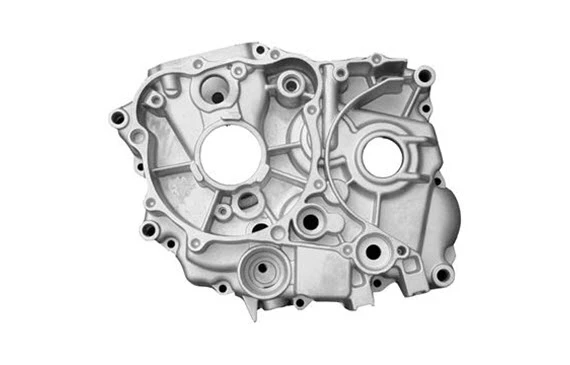
Magnesium die casting offers a unique balance of lightweight design and durability, making it ideal for industries like automotive, aerospace, and electronics.
With advanced techniques, magnesium die casting continues to support innovation in high-performance applications.
Ready to explore magnesium die casting for your project?
Contact our team for expert guidance on how this versatile material can enhance your product design and manufacturing efficiency.
Related Articles
- Ultimate Guide to Non-Ferrous Metals and Uses
- 3D Printing vs CNC Machining: Which Method is Best?
- Brass vs Bronze vs Copper: Key Differences and Uses
- Comprehensive Guide to Metal Strength and Chart
- Aluminum Extrusion Process: Techniques, Benefits, and Applications
- Types of Machining Processes: Full Guide
- Types of Aluminum Alloys: Properties and Industry Uses
- Comprehensive Guide to Bead Blasting Finishes
- Comprehensive Guide to Metal Strength and Chart


 English
 Arabic
 German
 Spanish
 French
 Italian
 Javanese
 Korean
 Portuguese
 Russian
 Hindi
 Chinese
