


Medical injection molding is a manufacturing process used to create high-quality, precise medical components from medical-grade plastics.
The process involves heating plastic polymers, injecting them into a mold, and allowing them to cool and solidify into the desired shape.
It’s a key method for producing everything from syringes to surgical tools, ensuring consistency and accuracy with every part.
This technique plays a crucial role in healthcare, where precision and reliability are essential.
From implants and diagnostic devices to tubing and containers, medical injection molding is responsible for countless innovations in the field.
It’s widely used across industries such as healthcare, pharmaceuticals, and even laboratory research, providing durable, sterile, and cost-effective solutions for medical equipment production.
How Medical Injection Molding Works
Medical injection molding begins by melting medical-grade plastics and injecting the molten material into precision-engineered molds.
These molds are crafted to create specific medical devices with exact dimensions.
After the material cools and hardens, the molded part is ejected from the mold ready for finishing or sterilization.
The process involves key steps such as careful material selection (choosing biocompatible plastics like PEEK or polypropylene), injection molding, and controlled cooling.
Precision is critical at every stage to ensure the parts meet strict industry standards for accuracy and hygiene, ensuring they are safe for medical use.
Cleanroom environments are often used to maintain sterility throughout the production process.
Types of Medical Injection Molding
1. Plastic Injection Molding

This is the standard method used to create sterile, durable medical devices by melting and shaping medical-grade plastics.
It’s commonly used for items like syringes, catheters, and test tubes due to its precision and high-volume capability.
2. Insert Molding

In the insert molding process, a secondary material, such as metal or another plastic, is inserted into the mold before the plastic is injected.
This technique is ideal for combining different materials in a single molding process, making devices more functional, like surgical tools with embedded components.
3. Overmolding

Overmolding involves a two-step process where one material is molded over an existing part to create a seamless, ergonomic design.
This method is perfect for products requiring soft grips or added comfort, such as handles for medical instruments.
4. Liquid Silicone Injection Molding

Liquid Silicone Injection Molding is ideal for flexible and durable medical components like catheters and seals.
Silicone’s flexibility, biocompatibility, and ability to withstand extreme conditions make it an excellent choice for many medical applications.
Key Materials Used in Medical Injection Molding

- Polyetheretherketone (PEEK): Known for its high resistance to harsh environments such as radiation and extreme temperatures, PEEK is a top choice for implants and surgical devices due to its durability and dimensional stability.
- Polyethylene (PE): This durable and sterile material is often used in medical tubing, pharmaceutical containers, and joint prostheses. PE is highly compatible with biological tissues and withstands sterilization processes, making it perfect for a range of medical applications.
- Polycarbonate (PC): Transparent and strong, polycarbonate is widely used for clear medical equipment like oxygenators, protective gear, and masks. Its toughness and resistance to impact make it ideal for demanding healthcare settings.
- Polypropylene (PP): Polypropylene’s strength and versatility make it a go-to material for products like syringes, connectors, and joint replacements. It is resistant to cracking, radiation, and high temperatures, ensuring reliability in medical settings.
- Silicone: Known for its flexibility, silicone is frequently used in the production of catheters, tubing, and connectors. It’s biocompatible and offers excellent mechanical properties, making it essential for medical applications requiring softness and durability.
- Polystyrene (PS): With its stable mechanical properties, polystyrene is often used for diagnostic tools like petri dishes and culture trays. Its rigidity and compatibility with body tissues make it suitable for precise, lab-based applications.
Benefits of Medical Injection Molding

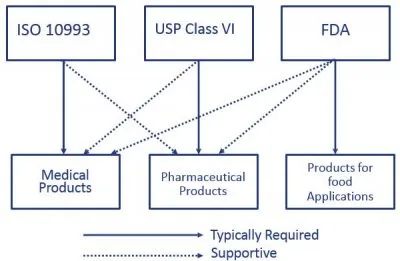
- Compliance with FDA Standards: Medical injection molding ensures that all produced components meet strict FDA regulations, ensuring that every part is safe, reliable, and suitable for healthcare environments.
- Cost-Effectiveness: This automated process reduces labor costs and material waste, making it an efficient option for manufacturing medical devices at scale while maintaining high quality.
- High Precision & Accuracy: Medical injection molding allows for the production of devices with tight tolerances, ensuring each part meets precise specifications, which is crucial in healthcare.
- High-Volume Production: Once a mold is created, the process can mass-produce thousands of identical parts quickly and consistently, meeting the demand for medical supplies.
Applications of Medical Injection Molding
1. Surgical Devices

Medical injection molding is used to create high-precision tools like scalpels, retractors, and other instruments essential for surgeries, ensuring quality and reliability.
2. Implants

It plays a vital role in producing durable and biocompatible implants, such as hip and knee replacements, which require both strength and precision.
3. Medical Equipment

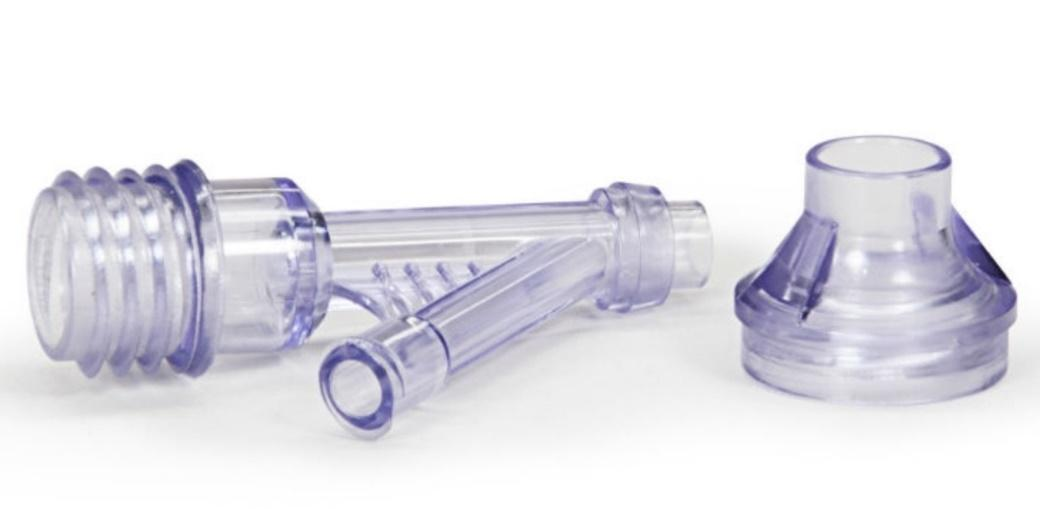
This process is ideal for manufacturing everyday medical tools like syringes, catheters, and diagnostic instruments, ensuring consistency and sterility.
4. Lab Equipment

Lab essentials, such as petri dishes, test tubes, and culture trays, are mass-produced using injection molding, providing the accuracy needed for medical research.
Conclusion
Medical injection molding plays a crucial role in creating precise, high-quality medical devices that meet strict regulatory standards.
With its ability to produce durable, sterile, and cost-effective components, this process is essential for the healthcare industry’s evolving needs.
If you’re looking for reliable and efficient medical injection molding solutions, contact us today.
Let’s work together to ensure your medical devices meet the highest standards of safety, precision, and performance.


 English
 Arabic
 German
 Spanish
 French
 Italian
 Javanese
 Korean
 Portuguese
 Russian
 Hindi
 Chinese
