

No matter the product, injection molding is a traditional method used in manufacturing plastics, but it is very time-consuming. In rapid injection molding, the technology is similar, but the speed is different. Rapid injection molding (RIM) is widely applicable in the manufacturing industry.
This comprehensive guide delves into the core principles of RIM while providing the best practical insights from design considerations to materials selection. Whether you want to refine a new product’s design for efficient small-batch production or reduce manufacturing costs, this guide will teach you the advantages of rapid injection molding.
History of Rapid Injection Molding
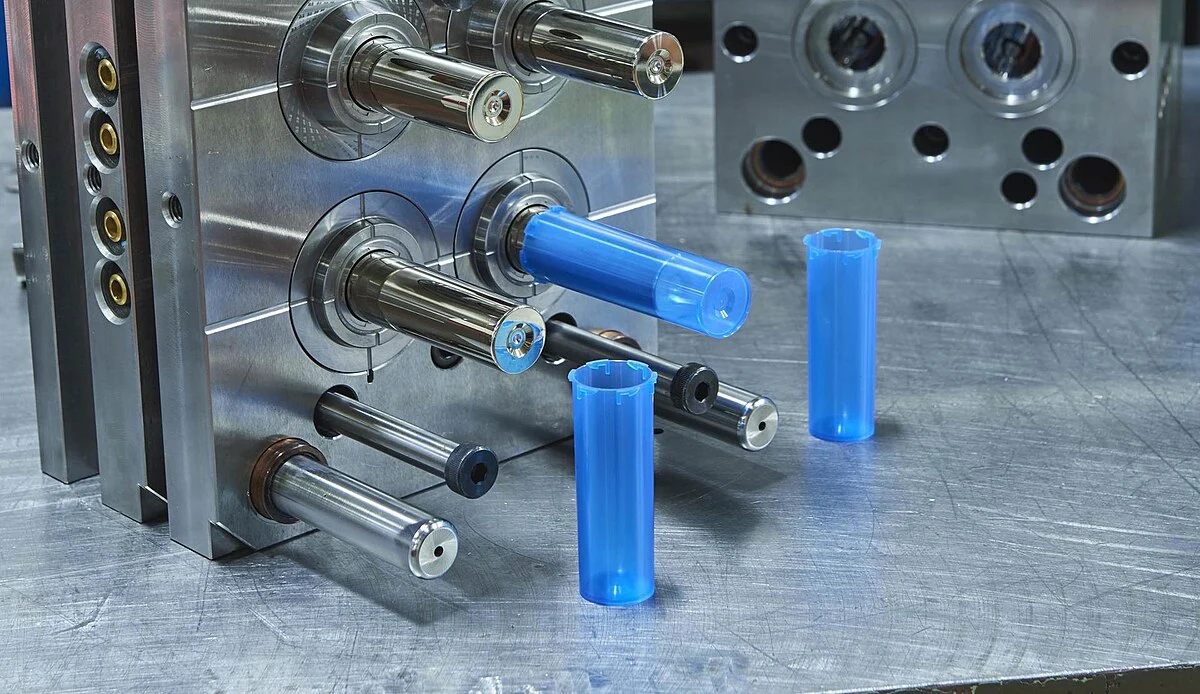
RIM originated with making big car parts using plastic materials like polyurethane. Over time, many new tools were invented that made the process quicker. The ability to manufacture more types of plastic and even make small, detailed parts differentiates RIM from injection molding. The tables below will show you the milestones and major developments in RIM ever since its inception:
| Milestones | Timeline | Effects |
| Birth of RIM for automotive applications | 1960s- 1970s | RIM’s capabilities were introduced with parts like car bumpers. |
| Advancements in tools | 1980s | The use of aluminum molds leads to higher speed. |
| Diverse materials | 1990s | A wide range of products led to more RIM applications. |
| Increasing complexity | 2000s | The use of smaller parts that demand attention to detail leads to the opening of new industries |
| Usage in 3D printing | 2010s – Present | Application in 3D industry led to more complex usages. |
| Developments | Objective | Effects |
| Integration with software | Design of the mold and flow of material | Greater efficiency leads to a reduction in trials and errors |
| Enhances material quality | Resistance to heat and compatibility with nature | Growth in the number of applications with RIM |
| Hybrid processes | Overmolding, insert molding | Final parts are highly functional, having composite structures |
| Sustainability | Using bio-based resins and other recyclable material | Reduced impact on environment |
Impact on the Manufacturing Industry
Several key factors are being affected by the growing use of RIM in manufacturing. Let us discuss some of those factors:
1. Faster Product Development: Speed is the ultimate USP in rapid molding, leading to faster and more cost-effective manufacturing for different operations.
2. Freedom to Design: RIM can handle complex shapes and designs more effectively than injection molding.
3. Suitable for Small-Scale Powerhouses: It is an ideal choice for producing smaller parts where there is no need for expensive tools compared to injection molding.
4. Savings on Cost: RIM leads to faster wastage of samples and the best quality of manufactured goods. In smaller productions there is a requirement for lesser material.

Why Does Rapid Injection Molding Stand Out?
Rapid molding is more widely used because it is a faster and better alternative to injection molding. But what are those factors that influence RIM in manufacturing? First, let us discuss the main factors of injection molding to highlight the differences between the methods easily.
Basics of Injection Molding
It is a process where melted plastic is injected into molds under very high pressure and later left to dry. It is then ejected out of the mold. Though this method is also suitable for mass production, many material choices are available.
Limitations
1. The molds used in injection molding require significant expertise in crafting the mold, which is a long process.
2. The injection molding process often needs help with features like undercuts (these are areas that would prevent the part from being easily removed from the mold), thin walls, or intricate details.
3. Due to the high upfront costs, it could be better for designing or low-volume runs. Since the mold is a significant investment, it is advised to use it if the production run is large enough and involves usage of many parts.
Traditional Injection Molding vs. Rapid Injection Molding
The tables below highlight the differences between Injection and Rapid Molding.
| Features | Traditional molding | Rapid molding |
| Tooling material | Hardened steel | Aluminum |
| Overall costs | High | Low |
| Lead time | Longer time (weeks to months) | Shorter time (days to weeks) |
| Design flexibility | Limitations with complex shapes | Accommodates complex geometries and undercuts |
| Ideal use-cases | Mass production (thousands of parts) | Suitable for low-volume production |
Understanding the Basics of Rapid Injection Molding
Rapid molding works on the same basic principles involved in injection molding. It is a widely used method for manufacturing many plastic parts.
A Process Overview of RIM
The term RIM has been derived from the applications of traditional injection molding. It has many advantages for meeting the different manufacturing needs of customers. Let us learn about the process and the material required in detail.
Materials Used
Thermoplastics: RIM uses all easily available thermoplastics like ABS, PP, and Nylon. These materials have good functionality and are pocket-friendly for designing different molds.
Mold Materials: Unlike the traditional method RIM uses material like aluminum or nickel-plated steel. These materials get easily molded leading to a faster production rate.
Injection Molding Machine: The same machine is utilized to melt, pressurize, and inject plastic into the mold cavity.
CNC Machining: For faster production, a CNC machine is used to make an aluminum or steel mold.
Step-by-Step Process
Step 1 Design Phase: The mold is the most significant part. For the best results CAD software is recommended to design the mold.
Step 2 Tooling: You can create molds of different sizes using rapid tooling techniques. You can also choose between 3D printing or a CNC machine for faster mold production.
Step 3 Injection Molding: Inject the molten material into the molds at high pressure. During the process just ensure proper control over temperature, pressure, and cooling time. You can also optimize cycle times for rapid production.
Step 4 Cooling and Solidification: Once the process is complete, you should allow the injected material to cool and solidify within the molds.
Step 5 Post-Processing Considerations: Consider these factors once the molding is complete
Trim all the excess material from the finished parts properly. You can perform any additional crafting or surface finishing if required. Inspect all parts for quality and consistency. Implement quality control measures throughout the process. Monitor for defects and deviations from specifications. Ensure consistency and reliability in the final parts.
How to Choose the Right Materials

- Objectives: First, define your goals and expectations from the project, including design requirements, performance standards, and desired outcomes.
- End-Use Application: You should always choose a material that is the choice of the end-user and is compatible with the applications, considering factors such as durability, heat resistance, and chemical resistance.
- Material Properties: Now, you should understand the potential characteristics of injection molding materials, such as mechanical, physical, and thermal.
- Production Scale: After considering these factors, you should evaluate the scale and speed at which the RMI process is occurring.
- Expertise: You may use the expertise of material engineers. You can also consult other industry professionals to make informed decisions.
- Material Compatibility with Tools: You should also make sure that the selected material can be used as the tooling material in the process.
- Cost: You should be aware of whether the material aligns with the overall cost of the project.
The Applications of Rapid Injection Molding
RIM is widely used in major industries to produce small parts with intricate detailing. Some common examples are the automation industry and the creation of medical devices. Let us learn in detail about the applications of RIM.
Automotive

Rapid injection molding has reduced the time and cost involved in creating parts. Examples of these can be such as clips, bezels, housings, and other automotive components.
The process allows engineers to rapidly test designs and also ensure that the part meets the exact form, fit, and functional requirements before moving to full-scale production. RIM-produced designs are accurate and resemble the material properties, making them ideal for testing.
Consumer Electronics

With rapid injection molding, consumer electronics manufacturers can develop and test new electronic devices. They can also experiment with components before moving ahead to full-scale production. This is highly significant. The reason being the consumer electronics industry is constantly evolving. Along with that companies need to be able to quickly bring innovative products to market.
With the employment of this technology you can change design quickly and cost-effectively. For instance, it can be used to reshape a housing design or a smartphone.It can also be put to use to test the fit and function of a new button layout as well as create a design of some internal component.
Medical Devices
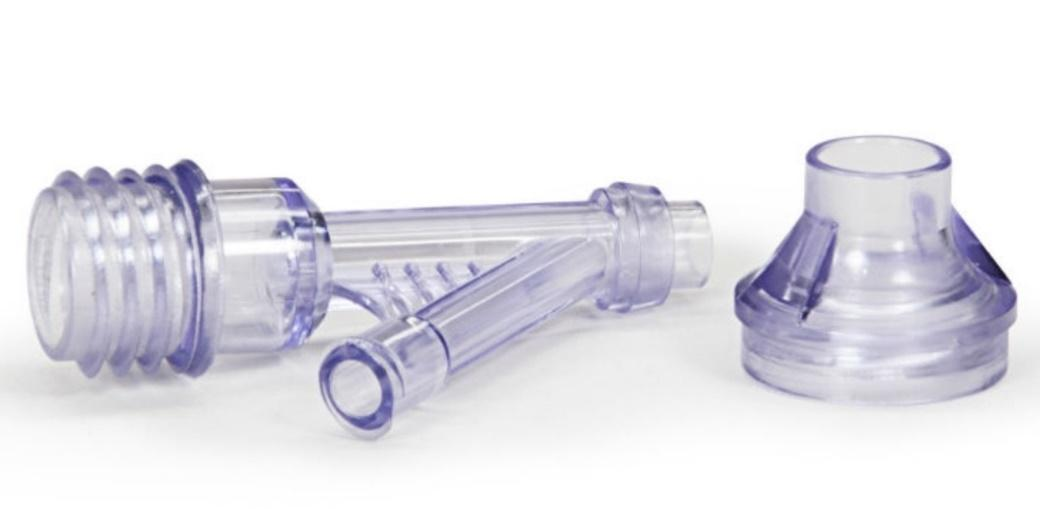
RIM excels at producing small as well as intricate medical equipment that are to have tight tolerances. These are elements that facilitate the functionality and performance of medical devices.
To take as an example, RIM can create microfluidic components for drug delivery systems. Many tiny gears and hinges can be crafted. These are used for delicate surgical instruments and complex valves used in diagnostic equipment.
Aerospace
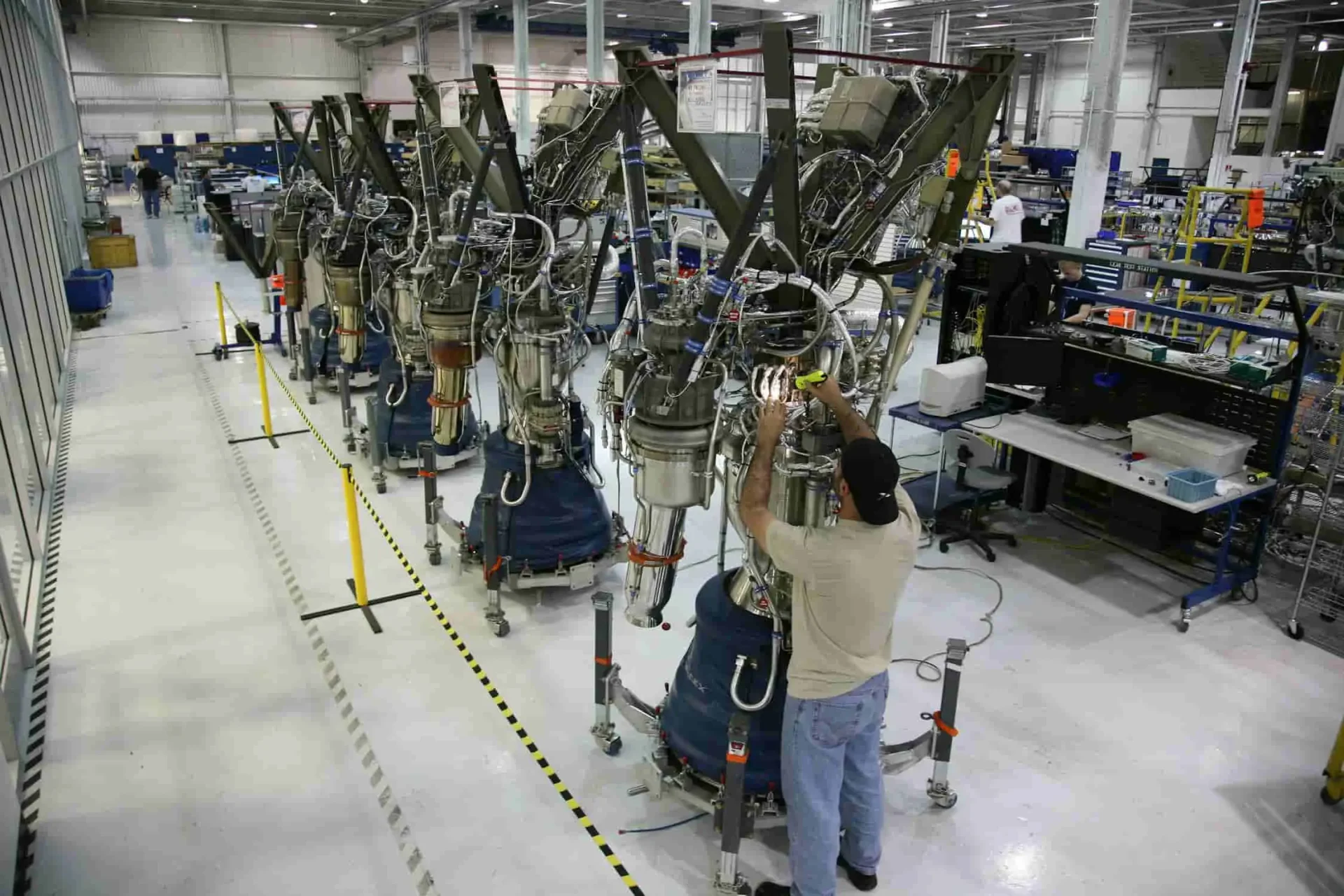
The aerospace industry often requires specialized parts in relatively small quantities. These parts are made for extreme conditions like high temperatures and pressure. They also work against resistance from harsh chemicals.
Traditional injection molding is expensive and time-consuming for low-volume production runs. RIM offers an alternative as it can produce complex as well as high-performance parts. This is because they use advanced materials like aluminum and PEI (polyetherimide).
These materials have the ability to offer excellent strength-to-weight ratios like high melting points, and good chemical resistance. This makes them ideal for aerospace applications. For instance, this method is also used to manufacture parts for aircraft engines, rocket components, and satellite housings.
Limitations of Rapid Injection Molding
While there is a long list of uses, it has some limitations. These are the restrictions on material choices and challenges with intricate designs. This leads to relatively higher tooling costs and poses potential impacts to the environment.
Material Compatibility
This method may not be suitable for every type of plastic due to compatibility concerns with rapid tooling materials. It can also put a limit on its ability to achieve certain material properties.
Complex Geometries
RIM offers great flexibility by producing intricate shapes with intricate details. Details such as undercuts require more expensive and complex mold designs.
Tooling Costs
Although a cheaper way to do this than traditional injection molding is through RIM tooling, this is still a significant investment, especially during low-volume production runs.
Environmental Issues
The materials you use to produce rapid injection molds have a shorter lifespan. Such material ends up in landfills than traditional steel molds.

Bring Out the Best: Tips for RIM Production
You can take care of the problems by following the tips given below for a faster production rate:
- By designing parts with the same wall thickness, you can ensure consistent material flow and prevent warping.
- Pay attention to all sharp corners since these create stress points that can cause further cracking.
- You can also use tab gates to minimize material wastage and improve the finishing of the surface.
- Before choosing a material, you should always consider material properties such as strength, flexibility, resistance, and cost.
- You can also optimize part geometry for a uniform wall thickness for efficient material flow, which can minimize stress points.
- Use ribs for added strength, as this will thin all sections without significantly increasing material usage.
- Minimize undercuts as they require complex molds, increasing cost and lead time.
Parting Thoughts
The process of rapid injection molding is very vast and detailed. Following all the processes in the prescribed order is crucial to get the best end product. While the process has a few limitations, RIM is most suitable for small-scale productions where attention to detail is necessary. Unlike traditional methods, it allows you to deliver finely designed products in weeks.
Still, have any questions or confusion about selecting the best RIM machinery? Get in touch with our expert team today and get all your doubts clarified.
FAQs Related to Rapid Injection Molding
1. What is rapid injection molding?
Rapid injection molding is a process used to produce prototype or low-volume plastic parts quickly. It involves creating a simplified, often temporary, mold using materials like aluminum or softer steel, which allows for faster mold creation and part production. This method is ideal for testing designs and materials before full-scale production.
2. How do you reduce cycle time in injection molding?
To reduce cycle time in injection molding, consider the following strategies:
- Optimize mold cooling: Enhance cooling channels or use conformal cooling.
- Reduce wall thickness: Thinner walls reduce cooling time.
- Optimize process parameters: Adjust injection speed, pressure, and temperature.
- Use hot runners: Minimize material waste and cycle time.
- Employ automation: Use robots for part removal and secondary operations.
3. What is the process of prototype molding?
Prototype molding involves creating a mold to produce a small number of parts for testing and evaluation. The process includes:
- Design: Creating a CAD model of the part.
- Mold fabrication: Using rapid tooling methods like CNC machining or 3D printing to create the mold.
- Injection molding: Using the prototype mold to inject material and produce the parts.
- Testing and iteration: Evaluating the prototype parts for design, fit, and function, and making necessary adjustments.
For more details, you can refer to the full content on the HiTop Industrial website.
Related Articles
- Medical Injection Molding: Precision in Healthcare
- Liquid Silicone Rubber Injection Molding: A Detailed Guide
- Mastering Injection Molding Tolerances: Key Insights
- Reaction Injection Molding: Process, Benefits and Uses
- Injection Molding Defects and Their Solutions
- Aluminum Injection Molding: Cost, Benefits, and Design
- ABS Injection Molding: Key Benefits, Process
- Ultimate Guide to HDPE Injection Molding
- 10 Common Plastic Resins for Injection Molding
- Injection Molding vs. Compression Molding


 English
 Arabic
 German
 Spanish
 French
 Italian
 Javanese
 Korean
 Portuguese
 Russian
 Hindi
 Chinese
