

The silicone injection molding method is one of the most widely used manufacturing processes for making products using liquid silicone rubber (LSR). These parts are highly durable and pliable. This versatile process is typically used for mass production, making it one of the most widely used methods for saving costs.
How Silicone Molding Works

If we talk about the process, the simplest way to put it would be that molten silicon is injected into a closed mold cavity. For this high pressure is maintained throughout the process. Even the most complex shapes and detailed designs can be easily replicated using this method.
This method is perfect if you are able to focus on manufacturing products that need replication, that too with precision and intricate details. This method gives more efficiency and productivity in the same amount of time if we compare it to the other methods of silicon molding. Plus, injection molding methods produce much less waste. Let’s learn how this is made possible.
Here’s Why Silicone Molding Methods Are the Ideal Option For Manufacturers
Silicone molding methods are not specific to one particular industry; the application of this method extends to a number of different industries. This is, to a great extent, because of the physical and chemical properties of the material used, i.e., LSR, and the versatility of the method itself. Here are a few reasons why this method is the preferred choice for various industries.
| Feature | Benefit |
| Cost efficiency | Reduced material waste Fast production cycles |
| Enhanced product quality | Dimensional accuracy Exceptional surface finish |
| Design flexibility | Works for complex geometries Recreates undercuts and textures |
| Durability | High-temperature & chemical resistanceLong service life |

1. Cost Efficiency
With this method you can experience reduction in production cost. All this is possible because there is less material wastage.Even the minimum material that is wasted within the sprue and runner system can be eliminated easily with the use of a cold runner system.
Plus, injection molding is a highly automated process. These points cut down the requirement for manual labor. The already rapid production cycles are being developed further to enable manufacturers to meet high-volume orders easily.
2. Enhanced Product Quality
The dimensional accuracy of SIM is unmatched. Even the most fine features and textures can be easily reproduced without compromising the surface finish or overall functionality of the product. This is partly because of the excellent elasticity of liquid silicone rubber, which ensures that the products can be released easily.
Additionally, quality assurance measures can help in maintaining the standard of product quality. Using LSR also has many other benefits. For starters, it is highly resistant to all of the following:
- Water
- Ozone
- Extreme temperatures
- Weather conditions
This is also what makes it an ideal choice for sealing applications.
3. Flexible with Designs
Silicone injection molding is the method to go with if you are manufacturing a product with complex geometries and intricate details. For all kinds of custom shapes as well as standard automobile parts, this method is as cost-effective as it is rapid. You can easily incorporate undercuts, textures, and multi-cavity molds in the design.
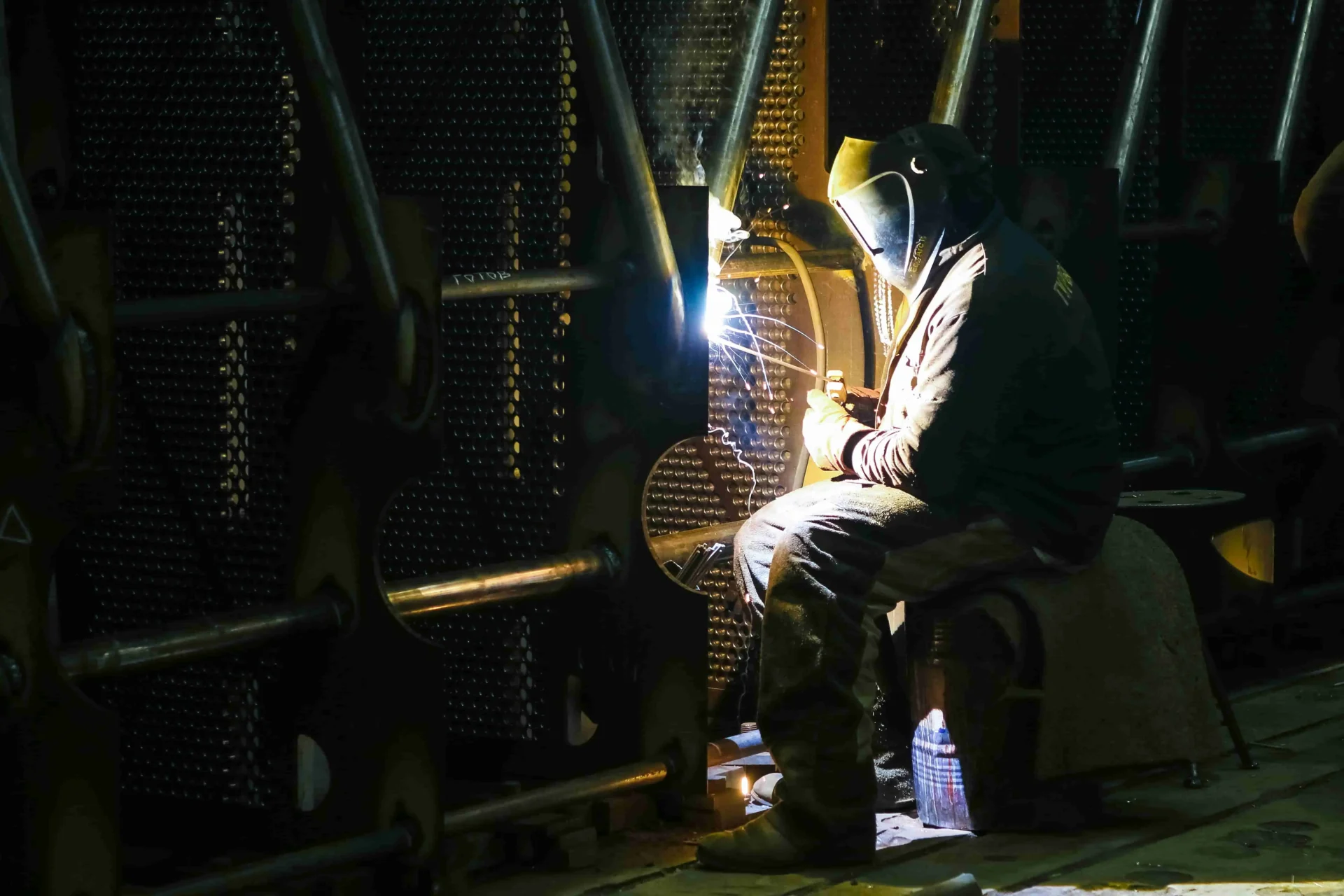
Moreover, if you prepare your product in advance for prototyping, you can better estimate the production costs. High-fidelity prototyping can help you assess whether or not the product is up to your expectations. This, in turn, gives you the benefit of making early iterations.
4. Durability
Here’s why LSR is the preferred choice for materials used in injection molding:
- Resistant to Heat and Chemicals: Liquid silicone rubber is resistant to high temperatures as well as the chemicals that it is exposed to at the time of injection molding. It is because of this feature that this material is the ideal choice for applications in which elasticity and chemical resistance are required.
- Extremely Durable: Silicone is also highly durable and can withstand harsh external conditions. For this very reason, LSR has a long service life.
- Cost-Effectiveness: The high durability of silicone means that it can be used over and over for multiple production cycles without any significant wear. This translates to more cost-effectiveness by reducing the need for replacements.
Wrapping Up
Overall, silicone molding methods have a lot to offer, especially if we compare them to alternatives such as compression molding. The faster production cycles and the fact that no pre-forms are required add to the list of reasons why manufacturers are increasingly relying on this method to increase their profits. For manufacturers who are seeking solutions for high-performance silicone parts, HITOP Industrial can be the perfect choice. With exceptional expertise and recognition in the injection molding industry, we’ve managed to consolidate a significant consumer base at both domestic and international levels. For more, visit our website today!
FAQs Related to Silicon Injection Molding
1. Is silicon injection molding perfect only for specific kinds of production runs?
No, silicone injection molding can accommodate both low-volume and high-volume production runs. While the initial mold creation costs might be higher for low volumes, they still offer the benefits of efficiency and minimum waste production.
2. What is the expected lead time for silicone injection molding projects?
The expected lead time for silicone injection molding depends largely on the requirements of the mold and how complex the design is. Chances are, the more complex the design is, the more the lead time will be. Mostly, though, the process can range from a few weeks for simpler designs to several weeks for the more complex ones.
3. Do silicone materials used in SIM meet biocompatibility requirements for medical device production?
The answer is yes. Since certain types of silicone materials used in SIM are biocompatible and meet industry standards, they can be used for producing medical-grade components. Plus, the fact that it is highly flexible and resistant to chemicals and high temperatures also works to its advantage in medical equipment manufacturing.


 English
 Arabic
 German
 Spanish
 French
 Italian
 Javanese
 Korean
 Portuguese
 Russian
 Hindi
 Chinese
