

Welding is an essential process used across many industries, from automotive manufacturing to construction and even art.
It allows metals to be fused together, creating strong, durable joints that serve as the foundation for countless products and structures.

When it comes to welding, two popular methods dominate: TIG welding and MIG welding.
In this article, we’ll dive deep into TIG welding vs MIG welding by exploring the pros, cons, and best applications for each method.
Whether you’re a seasoned welder or just starting out, knowing which method to choose can help you make an informed decision that’ll lead to better results in your welding projects.
Let’s get started!
What is TIG Welding?

TIG welding (Tungsten Inert Gas welding) uses a tungsten electrode to create an arc that melts the base material, with a shielding gas (argon or helium) to protect the weld.
Unlike other methods, the welder often adds filler material manually.
This process produces precise, strong, and clean welds, making it ideal for high-quality applications.
While slower than MIG welding, TIG welding allows for better heat control and is perfect for delicate materials.
It’s preferred for projects requiring precision and a clean finish.
Pros of TIG Welding
- High precision and quality: TIG welding is perfect for creating clean, precise welds with minimal spatter, making it ideal for projects where aesthetics and durability matter.
- Excellent control over heat input: The welder has precise control over the heat, reducing the risk of overheating and warping, especially with thin materials.
- Ideal for thin materials and detailed work: TIG welding shines when working with thin metals, such as aluminum or stainless steel, and is often used for intricate or delicate tasks.
- Clean finish with minimal spatter: TIG welding produces smooth, professional welds with little to no spatter, meaning less post-weld cleanup.
Cons of TIG Welding
- Slow process: While precise, TIG welding is a slower process compared to MIG welding, making it less efficient for large-scale or high-speed projects.
- Requires more skill and experience: Due to its complexity and need for precision, TIG welding is better suited for experienced welders who can maintain the necessary control over the process.
- Not suitable for all metals: TIG welding may not be the best option for very thick materials like thick steel, as it may require higher heat settings that can be challenging to manage.
Best Use Cases for TIG Welding

TIG welding is often the best choice for stainless steel, aluminum, and other non-ferrous metals that require a high level of precision.
It excels in thin sheet metals, where other methods like MIG welding could lead to excessive heat buildup or distortion.
It’s also preferred for artistic welding or aerospace projects where quality and detail are paramount.
If you’re working on a project that demands fine control, clean finishes, and intricate designs, TIG welding will give you the results you need.
What is MIG Welding?

MIG welding (Metal Inert Gas welding) uses a continuous wire feed and an inert gas (typically argon or CO2) to protect the weld from contaminants.
The welder feeds the wire into the joint, creating an arc that melts the wire and base material.
This process is faster than TIG welding, and it’s easier to learn, making it an excellent choice for beginners and professionals alike.
MIG welding is ideal for thicker materials and heavy-duty applications, making it common in automotive repairs and construction.
Pros of MIG Welding
- Faster welding speed: MIG welding is quicker than TIG, making it ideal for high-volume projects and large workpieces.
- Easier to learn: MIG welding is more user-friendly, especially for beginners, due to its simplicity and continuous wire feed.
- Ideal for thicker materials: MIG welding is perfect for welding thicker metals, such as steel and iron, which require high heat input and a consistent feed.
- Suitable for beginners: The process is more forgiving and requires less skill than TIG welding, making it great for those new to welding.
Cons of MIG Welding
- More spatter and slag: MIG welding tends to produce more spatter and slag, requiring additional cleanup.
- Less precision: MIG welding doesn’t offer the same level of precision as TIG, making it less ideal for detailed or intricate work.
- Limited heat control: The heat input is harder to control, which can lead to issues with thin materials or more delicate projects.
Best Use Cases for MIG Welding

MIG welding is the best choice for heavy-duty tasks, including automotive repairs and construction projects, where speed and efficiency are key.
It’s excellent for thicker metals like steel and iron, where the added heat input makes the process more effective.
If you’re working on larger-scale jobs that need quick turnaround and don’t require the fine detail of TIG welding, MIG is your go-to choice.
Key Differences Between TIG Welding and MIG Welding

Quick Overview
1. Heat Control
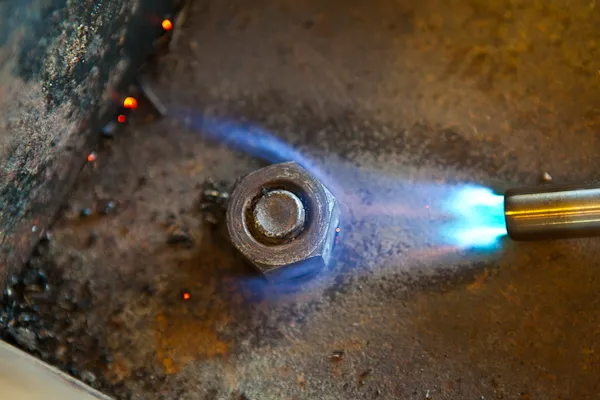
TIG welding offers superior heat control, allowing the welder to fine-tune the heat input for delicate projects and materials.
This makes it perfect for thin materials like aluminum and stainless steel.
MIG welding, on the other hand, is more automated, which means less control over heat, making it suitable for thicker materials that don’t require as much finesse.
2. Precision and Quality
TIG welding produces cleaner, more precise welds, which are ideal for applications where appearance and quality are critical.
The result is a smooth, professional finish with minimal spatter.
MIG welding, however, tends to produce less clean welds with more spatter and slag, which can make the post-weld cleanup more time-consuming.
While it’s not as precise, it’s still effective for many applications.
3. Speed of Welding
MIG welding is known for its faster speed, allowing for quicker project completion.
This makes it ideal for high-volume or large-scale projects.
TIG welding, however, is slower due to its meticulous nature, requiring more attention to detail, but this trade-off results in better-quality welds for precision work.
4. Ease of Use
MIG welding is easier to learn and use, making it a good choice for beginners or those who need to weld quickly and efficiently.
The continuous wire feed simplifies the process.
TIG welding requires a higher level of skill and precision, making it more suited for experienced welders who need fine control over their work.
5. Material Types
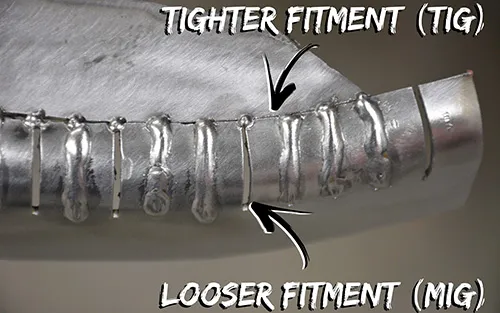
TIG welding excels with thin materials, especially non-ferrous metals like aluminum and stainless steel, as it offers better control over heat and prevents warping.
MIG welding is better suited for thicker materials like steel and iron, where the added heat from the process can help create a strong, durable bond.
6. Cost
TIG welding equipment tends to be more expensive upfront, and it requires more maintenance to keep it in top condition.
However, the operational costs can be lower since the welder controls the amount of filler material used.
MIG welding, on the other hand, has lower equipment costs, but the operational costs are higher due to the frequent need for wire and gas consumables.
Applications and Industries
TIG Welding Applications:

- Aerospace: TIG welding is widely used in aerospace manufacturing due to its ability to create precise, high-quality welds in lightweight materials such as aluminum. This is essential for maintaining the structural integrity of aircraft components.
- Precision Work: TIG welding is the go-to method for delicate, high-precision tasks like medical device manufacturing and electronics assembly, where small, clean welds are crucial.
- Art: Artists often use TIG welding for metal sculptures and decorative pieces. The process’s ability to create intricate, visually appealing welds makes it a favorite for creative projects.
- Jewelry: TIG welding is ideal for jewelry making, especially for precious metals like gold and silver. Its precision allows jewelers to join small, delicate pieces with minimal heat distortion.
- High-End Automotive: TIG welding is preferred for custom automotive fabrication, particularly in motorsport or luxury car manufacturing, where clean, strong welds are essential for performance and aesthetics.
MIG Welding Applications:
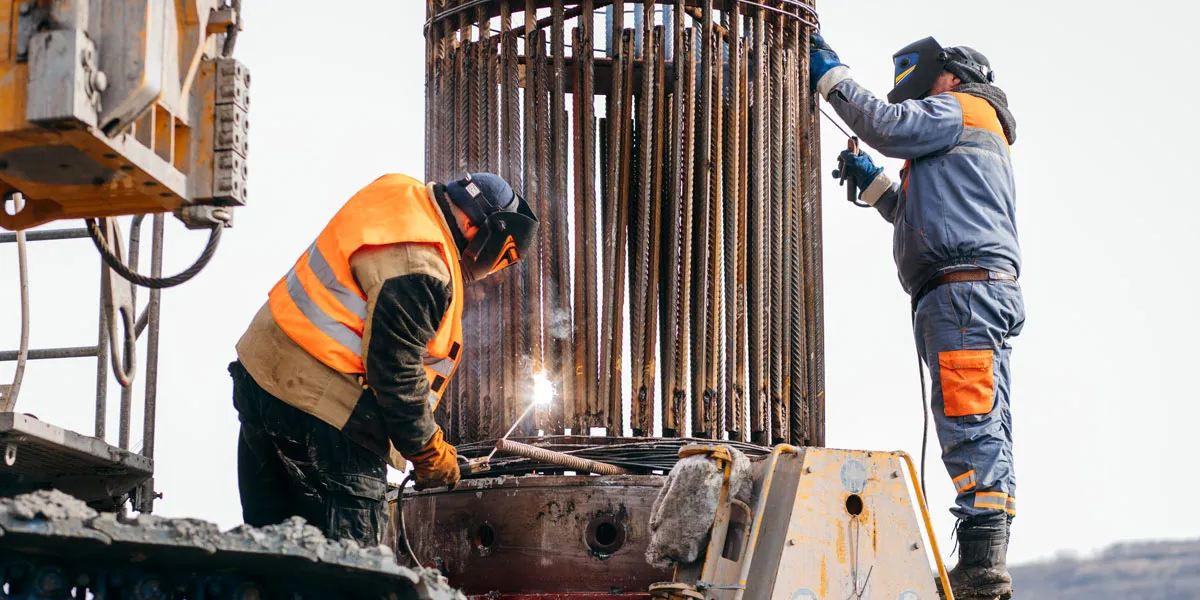
- Construction: MIG welding is used extensively in construction for joining large steel structures, like beams and supports, due to its speed and ability to handle thick materials.
- Manufacturing: MIG welding’s fast process and ease of use make it perfect for mass production in industries such as appliance manufacturing, where consistent welds are needed across many products.
- Automotive: MIG welding is the go-to method in the automotive industry for assembling car frames, body panels, and components due to its speed, efficiency, and versatility in welding thicker metals.
- Shipbuilding: The shipbuilding industry uses MIG welding for welding large, thick steel plates and structures. The speed and ease of use make it a valuable tool in this labor-intensive industry.
- General Repairs: MIG welding is commonly used for general repairs, including fixing machinery, vehicles, and equipment. Its fast process and adaptability make it a popular choice for maintenance tasks in various industries.
Common Mistakes to Avoid in TIG and MIG Welding
For TIG Welding:
1. Improper Torch Angle
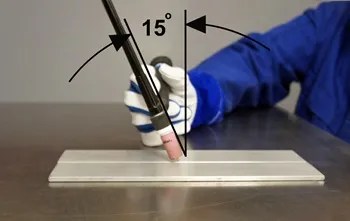
- Mistake: Holding the torch at the wrong angle can lead to weak or uneven welds. It may cause the weld to overheat or underfill, affecting the strength and appearance.
- Solution: Keep the torch at a 15 to 20-degree angle relative to the workpiece. This ensures proper heat distribution and a more controlled weld pool.
2. Incorrect Filler Material
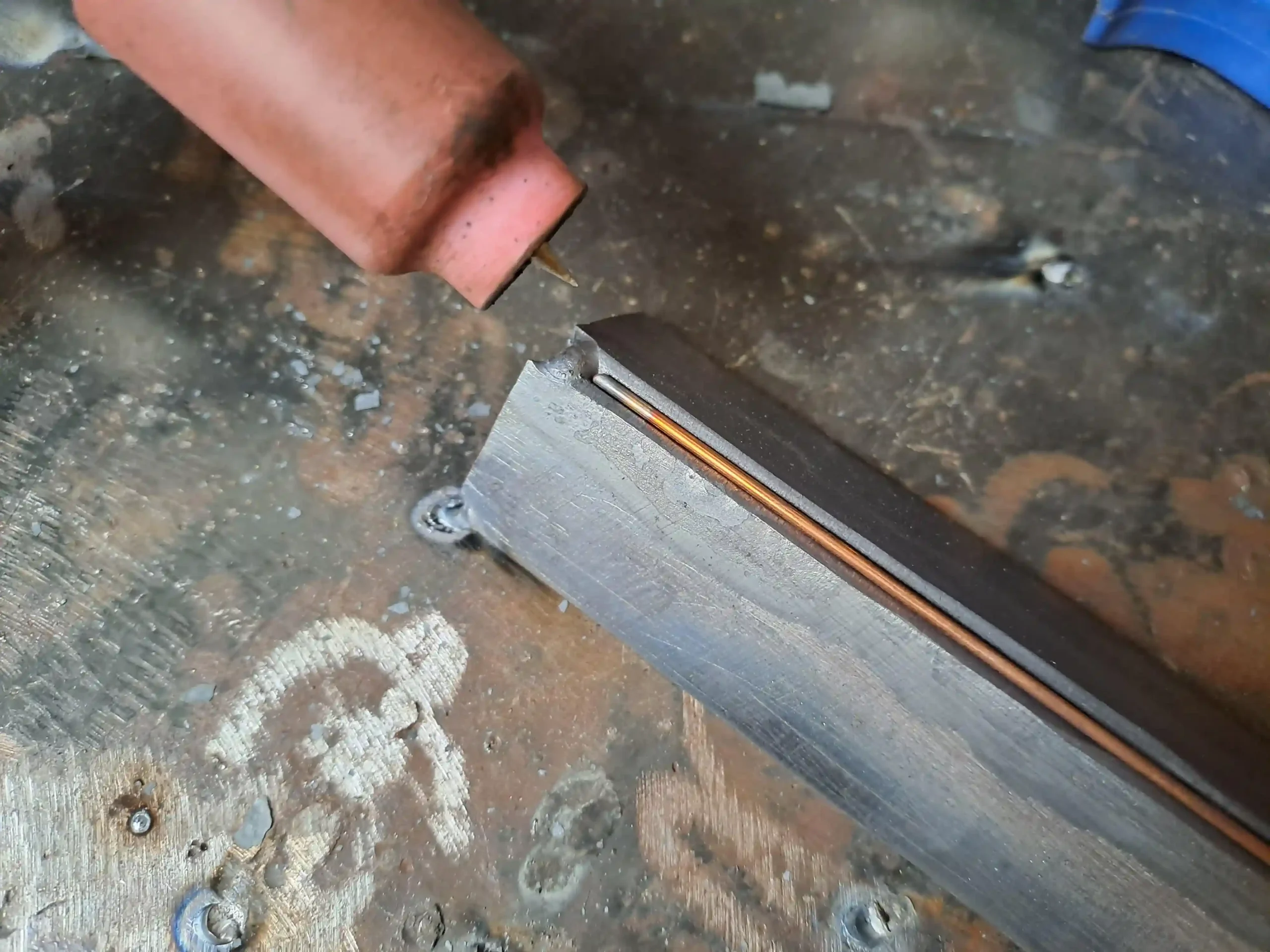
- Mistake: Using the wrong type of filler material can result in weak joints, contamination, or improper bonding, especially with sensitive metals like stainless steel or aluminum.
- Solution: Always select the appropriate filler material for the base metal, considering factors like alloy type and thickness.
3. Insufficient Heat
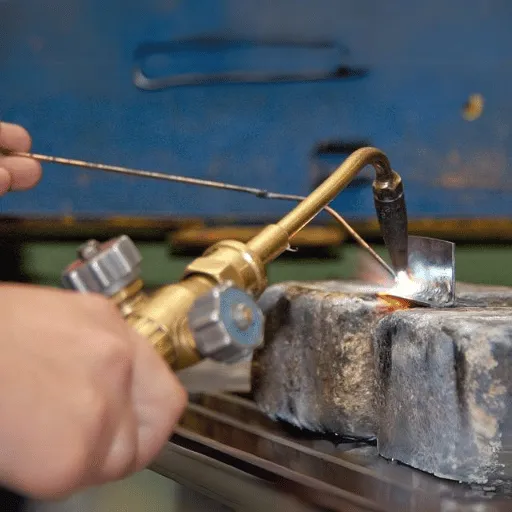
- Mistake: Using too little heat can result in poor penetration, weak welds, and inconsistent weld beads.
- Solution: Adjust the heat input based on material thickness. Thin materials need lower heat, while thicker materials require more heat to ensure proper penetration.
For MIG Welding:
1. Incorrect Voltage Settings

- Mistake: Setting the voltage too high or too low can cause problems like excessive spatter, poor bead formation, or weak welds.
- Solution: Adjust the voltage to match the material thickness and wire feed speed. Follow the manufacturer’s recommendations for optimal settings.
2. Bad Wire Feed

- Mistake: A poor or inconsistent wire feed can result in uneven welds, undercuts, or burn-through. This is often caused by using the wrong wire type or an improperly adjusted wire feed speed.
- Solution: Ensure your wire feed is smooth and consistent. Regularly check the wire spool for tangles and clean the feeding system to avoid jams.
3. Poor Joint Preparation
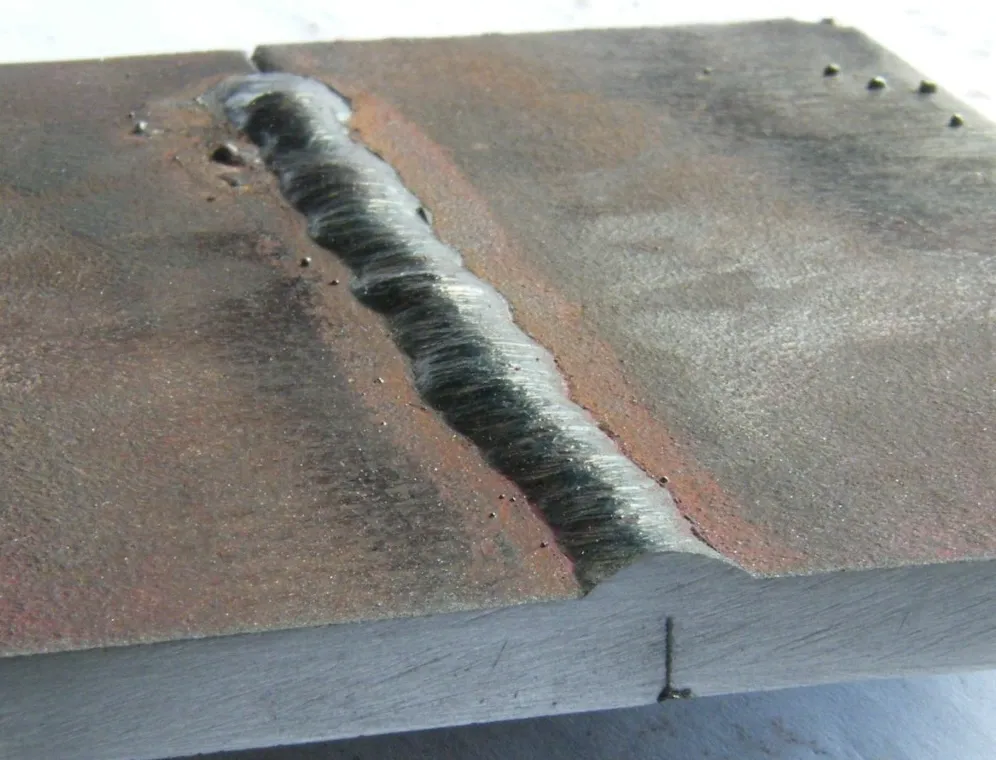
- Mistake: Failing to properly clean and prepare joints can result in weak or contaminated welds. Rust, dirt, or oil on the surface can also interfere with the bonding process.
- Solution: Always clean and prep the joint before welding. This includes removing rust, oil, and paint, as well as ensuring a tight fit for optimal weld penetration.
How to Avoid These Mistakes:
- For TIG Welding: Focus on mastering your torch control, adjusting heat settings carefully, and always using the right filler material. Practice welding on scrap pieces to perfect your technique before moving to your main project.
- For MIG Welding: Regularly check your equipment, especially the wire feed and voltage settings. Proper joint preparation is key—take the time to clean your materials and ensure they fit well. This will help you avoid costly mistakes and improve the quality of your welds.
Which One Should You Choose: TIG or MIG Welding?

When to Choose TIG Welding
- High-Precision Work: If your project requires extremely fine control and a clean finish, TIG welding is the ideal choice. It’s perfect for detailed work like jewelry making, high-end automotive repairs, and precision welding in aerospace applications.
- Thin Materials: TIG welding excels with thin metals such as aluminum or stainless steel. Its ability to control heat and produce minimal spatter ensures that delicate materials remain undistorted and strong.
- Clean Welds: When a neat, aesthetically pleasing weld is crucial, TIG welding provides the cleanest results. It’s the preferred method for projects that emphasize weld appearance, like artistic or custom work.
When to Choose MIG Welding
- Faster Speed: MIG welding is much faster than TIG, making it ideal for high-production environments like construction and heavy manufacturing. It’s the go-to choice when speed and efficiency are priorities.
- Thicker Materials: MIG welding is better suited for thicker metals, as it provides stronger welds with higher heat input. This makes it perfect for industrial projects, shipbuilding, and structural welding.
- Beginner-Friendly: If you’re new to welding or need a process that’s easier to learn, MIG welding is the best option. It requires less skill and practice to get started, making it an excellent choice for those just learning the trade.
FAQs About TIG Welding and MIG Welding
Conclusion

In summary, TIG and MIG welding offer unique advantages depending on the project requirements.
TIG welding excels in precision and clean finishes, making it ideal for delicate and high-quality work, while MIG welding is faster and better suited for thicker materials and larger-scale projects.
If you’re ready to take your welding skills to the next level or need professional-grade welding solutions, don’t hesitate to contact us today.
We’re here to help you choose the right process for your project and provide top-quality equipment and support.


 English
 Arabic
 German
 Spanish
 French
 Italian
 Javanese
 Korean
 Portuguese
 Russian
 Hindi
 Chinese
