Precision injection molding is more than just a technique for creating plastic parts; it’s a game-changer for industries that require extreme accuracy and consistency.
From the automotive and medical sectors to IT and electronics, this process enables manufacturers to produce complex parts that meet exacting standards and replace high-precision metal components.
In this article, we’ll dive deep into the fundamentals, advantages, materials, and challenges of precision injection molding, as well as best practices to maximize its benefits.
What is Precision Injection Molding
Precision injection molding is a specialized manufacturing method that focuses on producing plastic parts with extremely tight tolerances and consistent dimensional accuracy.
Unlike conventional injection molding, which is used for simpler parts with less stringent accuracy requirements, precision injection molding is engineered to create components with tolerances as tight as +/-0.001 inches.
This high level of accuracy is vital for industries such as medical devices, automotive components, and IT applications, where even a small deviation can impact performance and reliability.
Advantages and Disadvantages of Precision Injection Molding
Precision injection molding offers unique benefits that set it apart from standard injection molding, making it the go-to method for applications requiring tight tolerances and reliable repeatability.
However, as with any advanced manufacturing technique, it also comes with certain limitations.
Let’s break down the key advantages and disadvantages so you can understand when it’s best to use precision injection molding for your project.
Advantages of Precision Injection Molding
Exceptional Accuracy: Precision injection molding achieves extremely tight tolerances, often as close as +/-0.001 inches. This level of accuracy ensures that each part produced meets exact specifications, which is essential in fields like medical devices, automotive, and electronics.
Consistency and Repeatability: Once set up, precision molding maintains consistent quality across large production runs. This repeatability is crucial for parts that require exact fitting or assembly with other components, reducing assembly errors and enhancing product quality.
Complex Geometries: Precision molding handles complex shapes and intricate designs with ease, allowing for greater flexibility in product design. This is ideal for parts with internal cavities, thin walls, or other detailed features.
Material Efficiency: The precise nature of the process minimizes waste by using only the necessary amount of material for each part. This reduces overall material costs and helps control production expenses, especially for large-scale projects.
Durability and High Performance: Precision molding often utilizes high-performance materials like fiber-reinforced polymers or specialized resins, resulting in parts with enhanced strength, thermal resistance, and long-term durability.
Reduced Need for Secondary Operations: Because precision injection molding produces parts with smooth surfaces and tight tolerances, it often eliminates the need for additional machining or finishing steps, which saves time and further reduces costs.
Disadvantages of Precision Injection Molding
Higher Initial Costs: Precision injection molding typically requires advanced molds and specialized machinery, which can increase upfront costs. This may be a consideration for smaller projects or those with limited budgets.
Extended Setup Time: Due to the precise nature of the process, setting up precision molding may take longer than standard molding, as it requires fine-tuning of temperature, pressure, and other parameters.
Material Limitations: Not all plastics are suitable for precision molding. The materials used must have low shrinkage rates and high dimensional stability. This may limit material options and add complexity to material selection.
Longer Production Cycles for Some Parts: The focus on high accuracy often means that production cycles may be slower, especially for parts with intricate designs or demanding tolerances. This can impact project timelines if large quantities are required quickly.
Skilled Labor Requirement: Precision molding requires skilled operators and engineers who are trained to handle advanced machinery and monitor process parameters accurately. This can add to the cost and complexity of production.
How Precision Injection Molding Works
Precision injection molding is a carefully controlled, step-by-step process designed to meet exact specifications for high-accuracy parts.
Each stage is crucial in ensuring that parts meet tight tolerances and precise dimensions. Here’s how the process unfolds.
Process Overview
Mold Design and Development: The process starts with designing a specialized mold to meet specific requirements for the part’s shape, dimensions, and tolerances. The mold is crafted with precision, often incorporating multiple cavities for simultaneous production or complex features for intricate parts. Every detail of the mold, from cavity placement to surface finish, impacts the final quality and repeatability of the parts produced.
Material Selection and Preparation: Not all materials work for precision injection molding, so material selection is critical. The selected polymers must be able to handle high temperatures and pressures without excessive shrinkage. Materials are often pre-dried or conditioned to eliminate moisture and ensure consistent flow and accuracy during molding.
Injection Setup: The prepared material is injected into the mold using precision-controlled parameters. Temperature, pressure, and injection speed are precisely regulated to achieve uniform flow and fill of the mold cavities. The clamping system keeps the mold tightly closed under high pressure, ensuring that no material escapes and each cavity is filled correctly.
Cooling and Solidification: Once injected, the material is allowed to cool and solidify within the mold. This stage is crucial for ensuring that parts retain their shape and don’t warp. Cooling rates and mold temperatures are controlled carefully to prevent shrinkage and maintain dimensional accuracy.
Part Ejection and Inspection: After cooling, the mold opens, and the parts are ejected. Each part is then inspected for quality to confirm it meets the desired specifications. For high-precision applications, additional inspections may be conducted using coordinate measuring machines (CMM) or other advanced tools to verify dimensions and tolerances.
Slow and Steady Production
Precision injection molding isn’t about speed; it’s about accuracy and repeatability.
The process moves at a methodical pace, allowing each stage to be precisely controlled.
Many facilities use fully automated systems that monitor and adjust the process in real-time, ensuring consistent quality across production runs.
This approach makes it possible to achieve highly repeatable results, essential for parts that will be used in critical applications.
By following a carefully controlled, automated, and quality-assured process, precision injection molding produces parts that consistently meet stringent design requirements and maintain dimensional accuracy from the first to the last piece in a production run.
Important Factors in Precision Injection Molding
Precision injection molding demands attention to several critical factors that directly influence the quality, accuracy, and reliability of the final product.
Let’s break down some of these essential considerations.
Mold Quality
The mold itself is one of the most vital components in precision injection molding.
Its design and construction must ensure dimensional accuracy and high durability to withstand the repeated forces involved in molding.
Key factors include:
Cavity Size and Placement: Properly sized and positioned cavities ensure parts are formed precisely, minimizing the risk of dimensional variation or defects.
Parting Surface Precision: The parting surface (where the two halves of the mold meet) must be smooth and perfectly aligned to avoid creating visible seams on the part.
Material Selection for the Mold: Using high-strength alloys like hardened steel ensures durability and reduces wear, which is essential for molds that will produce thousands, if not millions, of identical parts.
Dimensional Tolerance: Tighter tolerances in the mold result in higher precision in the finished part. Typically, precision molds are designed with tolerances of +/-0.01 inches or finer, depending on the application requirements.
Material Choice
Selecting the right plastic or polymer is crucial in achieving tight tolerances and dimensional stability.
Precision molding often relies on materials with low shrinkage rates to maintain accurate part dimensions.
Common choices include:
Glass-Reinforced Polymers: Adding glass fibers to materials like PA66 or POM enhances rigidity and reduces shrinkage, making these materials suitable for tight tolerances.
Resin-Enhanced Polymers: Resins can improve the dimensional stability of a plastic, especially under high temperatures and pressures, ensuring the material holds its shape within the mold.
Thermoplastics with Low Creep and High Fatigue Resistance: Certain thermoplastics, like ABS, offer a good balance between flexibility and dimensional accuracy, though they may require additives to meet precision standards.
Injection Molding Machine Capabilities
Precision injection molding requires advanced machinery capable of delivering consistent results under stringent conditions.
Here are the machine attributes that impact precision:
Injection Pressure: High injection pressure (often in the range of 200–392 MPa) allows for even filling of complex mold geometries, crucial for maintaining part integrity and dimensional consistency.
Clamping Force and System Rigidity: The clamping system must apply a uniform and stable force to keep the mold tightly closed during injection, preventing material leakage or warping. A rigid clamping system minimizes the chance of deformation.
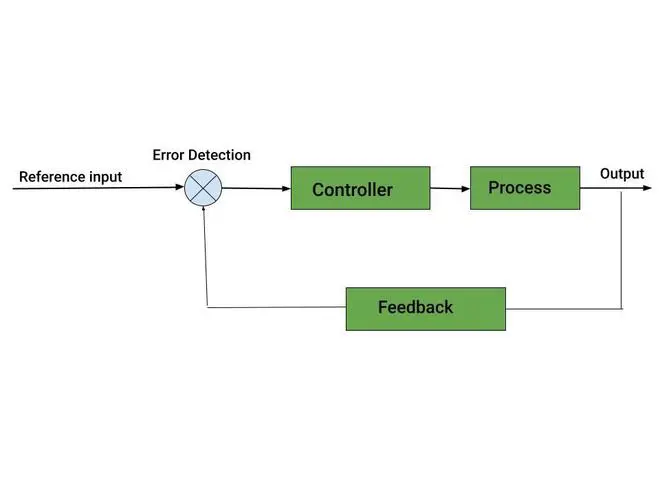
Closed-Loop Control: Closed-loop systems enable the machine to monitor and adjust temperature, pressure, and flow in real-time, ensuring that each cycle produces parts with identical quality and dimensions.
Precision injection molding relies on the synergy between mold design, material choice, and machine capability.
By carefully managing these factors, manufacturers can achieve the high accuracy and repeatability essential for producing complex, high-quality parts.
Addressing Common Challenges and Solutions
Precision injection molding requires careful management of challenges like shrinkage, dimensional stability, and repeatability to achieve consistent, high-quality parts.
Let’s look at these issues and effective solutions for each.
Shrinkage and Warping
Shrinkage and warping can distort part dimensions, impacting accuracy.
To manage these issues:
Temperature Control: Precise control over mold and material temperatures helps regulate shrinkage. A lower mold temperature, for instance, can reduce thermal expansion, while higher temperatures in certain areas might improve material flow and prevent voids.
Injection Pressure Adjustments: Maintaining a high and consistent injection pressure fills the mold evenly and helps parts hold their shape. Steady pressure during cooling minimizes internal stresses, reducing the chance of warping.
Material Selection: Opting for materials with low shrinkage rates, such as glass or resin-enhanced polymers, enhances dimensional stability and helps prevent distortion.
Dimensional Stability
Dimensional stability is crucial to ensuring that each part meets strict tolerances.
Factors that support stability include:
Injection Pressure and Speed: High injection pressure enables the material to flow into complex mold sections evenly, reducing the risk of shrinkage-induced distortion. Injection speed can also be adjusted for optimal filling without creating unnecessary stress.
Cooling Rates: Controlled cooling is essential to dimensional stability. Too rapid a cool-down may induce shrinkage, while too slow a rate could lead to warping. Using uniform cooling channels within the mold ensures an even and gradual temperature decrease.
Precision Mold Design: High-quality molds with uniform cavity depths and consistent wall thicknesses minimize the likelihood of deformation, creating an ideal foundation for stable parts.
Repeatability
Achieving identical parts over long production runs is a cornerstone of precision injection molding.
Solutions to improve repeatability include:
Automated Systems: Closed-loop control systems monitor and adjust parameters like temperature, pressure, and injection speed in real time, ensuring each cycle is consistent.
Quality Control Measures: Regular inspections and statistical process control (SPC) methods help detect any dimensional deviations or surface flaws early. This attention to detail minimizes rework and ensures high-volume runs maintain the same standard of quality.
Effectively addressing these common challenges through advanced controls and rigorous quality checks ensures that precision injection molding yields parts that are accurate, stable, and repeatable, meeting stringent standards across industries.
Types of Materials Used in Precision Injection Molding
Selecting the right materials for precision injection molding is essential to achieving tight tolerances and dimensional stability.
Here, we look at polymers known for their low shrinkage properties and how fillers and additives further enhance material performance.
Polymers with Low Shrinkage
For precision applications, materials with low shrinkage rates are critical to maintaining the dimensional accuracy of parts.
Commonly used polymers include:
POM (Polyoxymethylene): Known for its excellent stiffness and low wear, POM is widely used in precision applications. It has a low shrinkage rate, making it suitable for parts that require high durability and resistance to deformation.
PA66 (Nylon 66): Reinforced with glass fibers, PA66 offers high impact resistance and can withstand extreme temperatures. However, it does have a tendency for moisture absorption, which may require post-molding conditioning for specific applications.
PBT (Polybutylene Terephthalate): PBT is recognized for its dimensional stability and quick molding time, making it suitable for applications where parts must be produced efficiently without compromising accuracy.
GFPC (Glass-Filled Polycarbonate): With glass fiber reinforcement, GFPC provides excellent rigidity, weather resistance, and low shrinkage, making it ideal for high-precision parts that need to withstand environmental factors.
Each of these polymers offers unique properties, allowing manufacturers to match materials to specific requirements, from heat resistance to flexibility and mechanical strength.
Fillers and Additives
Incorporating fillers and additives into base polymers further optimize material properties, particularly for reducing shrinkage and improving dimensional stability:
Glass Fibers: Adding glass fibers to polymers like PA66 or PC improves their rigidity, reducing thermal expansion and enhancing dimensional stability. This modification is especially useful in parts that must maintain their shape under varying temperatures.
Carbon Fibers: Known for their strength and lightweight properties, carbon fibers are often added to POM or other engineering plastics to improve stiffness and reduce warping or shrinkage in high-precision parts.
Resins and Lubricants: Some materials benefit from resins or lubricants that enhance flow properties, helping to fill intricate mold features with better uniformity and fewer defects.
The combination of low-shrinkage polymers and strategic fillers ensures that precision-molded parts meet strict tolerances and maintain their integrity throughout their lifecycle.
By carefully selecting materials, manufacturers can address unique project needs and achieve reliable results in high-precision applications.
Precision Injection Molding Machines
Precision injection molding requires specialized machinery equipped with advanced features to ensure every component meets tight tolerances and high-quality standards.
Here’s what makes precision molding machines distinct:
Machine Requirements
Precision injection molding machines must meet stringent requirements to achieve the accuracy and repeatability essential for high-precision parts:
High-Pressure Injection: Precision molding often requires injection pressures of up to 392 MPa or more. High pressure minimizes shrinkage and enhances material flow, ensuring complete mold filling, even in complex geometries.
Precise Clamping Force: Consistent clamping force is crucial to avoid any part deformation during injection. Machines designed for precision molding use controlled clamping systems with minimal deviation, maintaining alignment for exact results.
Advanced Plasticizing Components: Components like screws, material barrels, and check rings are designed for uniform melting and mixing, which are key to producing consistent parts. These elements ensure that the polymer flows smoothly, reducing defects.
Multi-Stage Controls: Precision machines utilize multi-stage injection controls to fine-tune the process based on part requirements. These stages include speed, pressure, and back-pressure adjustments, offering greater control over part quality and consistency.
Closed-Loop Systems
Closed-loop control systems are essential in precision molding for maintaining consistent temperature, flow, and pressure throughout the process.
These systems use sensors to monitor conditions in real time, instantly adjusting any fluctuations to keep the process stable.
This ensures the final product meets exact specifications, reducing variability and improving repeatability.
Automation and Process Control
Automation plays a key role in precision injection molding, especially for high-volume production runs where quality consistency is crucial.
Automated systems allow for:
Continuous Monitoring: Automated pressure and temperature monitoring ensures that any changes in process conditions are quickly corrected, minimizing potential defects.
Quality Control: Automated inspection tools integrated into the machine can measure key attributes, providing real-time feedback to the operator.
Efficiency and Cost Savings: By reducing human intervention, automation enhances efficiency, cuts down on labor costs, and ensures repeatability, making it ideal for producing high-precision parts at scale.
Precision injection molding machines with advanced control systems and automation are designed to deliver the accuracy, repeatability, and efficiency needed for the exacting demands of high-precision components across industries like automotive, medical, and electronics.
Quality Control in Precision Injection Molding
Maintaining high standards in precision injection molding is critical for producing parts that consistently meet strict specifications.
Here’s how quality control is implemented to ensure every part meets those exacting standards:
Key Quality Control Measures
Precision molding demands rigorous quality checks, utilizing advanced technology to detect and rectify defects early in the process.
Some primary methods include:
Coordinate Measuring Machines (CMM): CMMs are essential for measuring complex part geometries with high precision. By scanning dimensions in real time, CMMs help confirm that each component meets design specifications down to the smallest detail.
Optical Inspection Systems: Optical inspection systems enable non-contact measurement of parts. They capture detailed surface profiles, checking for uniformity and catching imperfections such as warping or dimensional variances that might otherwise go unnoticed.
Regular Mold Maintenance: Precision molding molds must be kept in peak condition to ensure quality. Routine cleaning, realignment, and inspections of the molds prevent wear-induced defects and maintain tight tolerances. This minimizes the risk of errors and ensures the longevity of the molds.
Role of Skilled Operators
While automation handles many aspects of quality control, skilled operators play an essential role in managing the process and ensuring consistent quality:
Monitoring and Adjustment: Experienced operators are trained to monitor production closely, spotting issues that automated systems might miss. They adjust machine settings, such as temperature, injection pressure, and cycle times, based on part requirements and material properties.
Troubleshooting and Problem Solving: Skilled operators excel at diagnosing and resolving production issues, from minor adjustments to larger issues like equipment malfunctions. Their expertise ensures that production remains smooth and that any irregularities are swiftly addressed, preventing costly downtime and maintaining part quality.
Effective quality control in precision injection molding combines advanced inspection tools with the experience of skilled operators, ensuring each part meets the highest standards in accuracy, functionality, and durability.
Applications of Precision Injection Molding
Precision injection molding serves as a cornerstone for industries requiring parts with high accuracy and strict tolerances.
Let’s explore some of the key industries that rely on precision injection molding and the typical products they produce:
Industries Utilizing Precision Parts
Precision injection molding is essential across multiple sectors, offering the accuracy and consistency needed for high-performance applications:
Medical Industry: Medical devices and tools require extreme accuracy, especially for parts used in surgical equipment, diagnostic devices, and implantable components. Precision molding enables the production of complex shapes with consistent quality, ensuring reliability and safety in medical applications.
Automotive Industry: The automotive sector benefits from precision molding for components like fuel injection systems, sensors, and electronic connectors. High tolerance levels ensure these parts perform well under stress and harsh environments, which is essential for vehicle safety and efficiency.
Electronics and IT: In the electronics sector, precision molding supports products with tight geometric requirements, such as circuit board connectors, switches, and housing for delicate components. This industry demands high-quality molding for longevity and performance in high-stress applications.
Aerospace and Defense: Aerospace components, such as connectors, casings, and sensor housing, require precise dimensional stability. Precision molding provides the resilience and lightweight construction necessary for aerospace applications, where reliability and performance are paramount.
Typical Products
Each of these industries relies on precision injection molding for products that meet exact specifications:
Medical Devices: Surgical instruments, syringe components, and intricate parts for diagnostic equipment are all made using precision molding, which ensures consistent and safe usage.
Automotive Sensors and Connectors: Fuel injectors, sensor housings, and various connectors need precise dimensions to ensure functionality and safety in automotive systems.
Electronic Components: Circuit board connectors, micro-switches, and housing for processors benefit from precision molding, which provides protection and durability for sensitive components.
Optical Lenses and Components: High-precision molding is instrumental in creating lenses and other optical components that require smooth surfaces and minimal distortion for maximum clarity.
Precision injection molding enables the production of intricate parts for these sectors, where consistency, accuracy, and durability are critical for meeting industry standards and regulatory requirements.
Selecting the Right Precision Injection Molding Partner
Choosing a precision injection molding partner is crucial for ensuring high-quality parts that meet your project’s exact requirements.
Here’s what to look for in a manufacturing partner:
Expertise and Experience: A reliable partner should have extensive experience in precision molding and a proven track record of successful projects, especially in your industry. This expertise helps ensure they can navigate the complexities of precision molding to achieve high-quality results.
Technological Capabilities: Advanced molding technology, such as high-precision molds, closed-loop systems, and automated controls, is vital for producing accurate and repeatable parts. Look for a manufacturer with up-to-date equipment that can meet your specific tolerances and production demands.
Quality Control Measures: A trustworthy partner should have strict quality control protocols, including coordinate measuring machines (CMMs) and optical inspection systems. Consistent monitoring of each production stage ensures the final parts meet the required standards without deviations.
Customer Support: Excellent customer support is essential, from the initial consultation to the delivery of finished parts. The manufacturer should offer clear communication, technical support, and timely updates throughout the production process.
Importance of Customization
Every precision molding project has unique specifications, from material selection to mold design and final tolerances.
Choose a manufacturer that offers customized solutions to align with your project’s specific requirements:
Process Adaptability: Ensure the partner can adjust key parameters, such as injection pressure, cycle time, and cooling rates, to accommodate complex part geometries and materials.
Mold Design Expertise: Look for a partner skilled in designing precision molds that match your part’s exact dimensions and tolerances. This includes optimizing mold design for minimal shrinkage, proper gating, and efficient cooling.
With the right precision injection molding partner, you gain a trusted collaborator who can not only produce high-quality parts but also streamline your production, ensuring each piece meets your specific standards.
What makes precision injection molding different from standard injection molding?
Precision injection molding focuses on creating parts with extremely tight tolerances, high dimensional accuracy, and smooth surface finishes. Unlike standard molding, it requires specialized machinery, precise mold designs, and controlled processes to achieve consistent quality for complex, intricate parts.
Why is material selection so important in precision injection molding?
In precision molding, the right materials must have low shrinkage and high dimensional stability to maintain tight tolerances. Materials like POM, PA66, and GFPC are commonly used, while fillers such as glass or carbon fibers are added to improve stability and reduce deformation during cooling.
How does precision injection molding ensure repeatability in production?
Precision molding relies on closed-loop control systems that monitor and adjust parameters like temperature, pressure, and flow in real-time. This automation helps ensure each part is produced with the same specifications, making it ideal for high-volume production where consistency is critical.
What are common challenges in precision injection molding, and how are they addressed?
Key challenges include shrinkage, warping, and maintaining dimensional stability. Solutions involve optimizing mold design, carefully selecting materials, and using precise temperature and pressure controls to minimize shrinkage and achieve accurate part dimensions.
Which industries benefit the most from precision injection molding?
Precision injection molding is widely used in medical, automotive, aerospace, electronics, and optics industries. These sectors require components with high accuracy and complex geometries, such as medical devices, automotive sensors, electronic housings, and optical lenses.
Conclusion
Precision injection molding is a specialized, high-accuracy process that brings complex plastic designs to life across various industries.
By carefully managing materials, molds, and machine parameters, it enables consistent production of intricate, high-quality parts with tight tolerances.
Hi, I am Sparrow Xiang, COO of the HiTop company, I have more than 17 years experience in Injection Molding field, please contact me for any professional or marketing advise of your product!
To provide the best experiences, we use technologies like cookies to store and/or access device information. Consenting to these technologies will allow us to process data such as browsing behavior or unique IDs on this site. Not consenting or withdrawing consent, may adversely affect certain features and functions.
Functional
Always active
The technical storage or access is strictly necessary for the legitimate purpose of enabling the use of a specific service explicitly requested by the subscriber or user, or for the sole purpose of carrying out the transmission of a communication over an electronic communications network.
Preferences
The technical storage or access is necessary for the legitimate purpose of storing preferences that are not requested by the subscriber or user.
Statistics
The technical storage or access that is used exclusively for statistical purposes.The technical storage or access that is used exclusively for anonymous statistical purposes. Without a subpoena, voluntary compliance on the part of your Internet Service Provider, or additional records from a third party, information stored or retrieved for this purpose alone cannot usually be used to identify you.
Marketing
The technical storage or access is required to create user profiles to send advertising, or to track the user on a website or across several websites for similar marketing purposes.




 English
 Arabic
 German
 Spanish
 French
 Italian
 Javanese
 Korean
 Portuguese
 Russian
 Hindi
 Chinese
