

Unscrewing molds are a specialized type of injection mold designed to create threaded plastic components with precision and efficiency.
Unlike standard molds, unscrewing molds incorporate movement and rotation, making them ideal for products with intricate threads or designs.

This unique approach is widely used across industries to produce items like bottle caps, medical supplies, and automotive parts—components that require both durability and accuracy.
What is an Unscrewing Mold?

An unscrewing mold is a unique type of injection mold specifically designed for creating threaded plastic parts.
Unlike standard injection molds, which rely on basic knock-off techniques to remove parts, unscrewing molds incorporate a special mechanism that combines movement and rotation to safely and accurately release the finished piece without damaging the threads.
This process is essential for parts that require precise threading, as it ensures that each component is removed intact and ready for its intended use.
How Does an Unscrewing Mold Work?

The unscrewing mold operates through a system that engages a threaded core within the mold.
Once the plastic is injected and solidified around the core, the mold’s unscrewing mechanism activates.
This mechanism, typically powered by hydraulic cylinders, motors, or gears, rotates the core to gently release the component.
The part is unscrewed carefully, allowing it to maintain its detailed threads without deformation or damage, which is crucial for its function in various applications.
Imagine trying to remove a bottle cap by simply pulling it off—it wouldn’t work because of the threads.
In a similar way, unscrewing molds rotate the component out of the mold, mimicking the way you would twist a cap to remove it.
This specialized approach ensures that every part meets the quality and functionality standards needed for its purpose.
Common Products Made with Unscrewing Molds

Unscrewing molds are commonly used in the production of threaded plastic components that we encounter daily.
Here are some popular products that benefit from this mold type:
- Bottle and Milk Caps: Many beverage containers, including milk and water bottles, rely on threaded caps for secure sealing.
- Cosmetic Lids: Conditioners, shampoos, and skincare products often come in threaded containers to ensure easy access and a tight seal.
- Prescription Medication Bottles: Medical-grade packaging, especially for prescription drugs, requires precise threading for safety and accessibility.
- Medical Supplies: Syringes, applicators, and other medical tools use threads for precise attachment and detachment.
- Sprinkler and Showerheads: Threaded components are essential in water control products for durability and leak prevention.
- Nuts, Bolts, and Screws: Automotive and machinery parts often need threading for secure assembly.
These examples highlight the versatility and importance of unscrewing molds.
Without this specialized process, creating these detailed, threaded components wouldn’t be as efficient or reliable.
Types of Unscrewing Molds
Unscrewing molds come in three main types, each tailored to different needs based on complexity, precision, and budget.
Let’s dive into each one and see how they work, along with their advantages and typical applications.
1. Hydraulic Unscrewing Molds

Hydraulic unscrewing molds operate through hydraulic circuits that drive the rotation and ejection of the mold’s core.
This setup usually involves two hydraulic circuits: one powers the hydraulic cylinder, which turns the threaded core, while the other operates the ejection system that pushes the part out of the mold once it’s unscrewed.
The hydraulic system’s reliability and force make it ideal for producing parts that require a robust unscrewing action.
Pros:
- Powerful and Reliable: Hydraulic systems are known for their strength, making them suitable for high-force applications.
- Efficient for High Volume: They can handle large production runs without sacrificing performance.
- Suitable for Larger Parts: Ideal for parts that need more force to unscrew due to size or complexity.
Common Applications:
Hydraulic unscrewing molds are popular in industries that demand high-volume production of threaded parts, such as automotive parts, medical supplies, and larger bottle caps. Their strong hydraulic action ensures consistent, precise results even in continuous operations.
2. Servo-Driven Unscrewing Molds

Servo-driven unscrewing molds use an electric motor and a closed-loop control system to achieve high precision in both the rotation and ejection of the threaded core.
The motor drives a gearbox that, in turn, rotates the core, while sensors continuously monitor the position and speed to ensure accuracy.
This setup allows for intricate, finely detailed designs, as the servo motor provides precise control over each movement.
Pros:
- High Precision: Ideal for products with intricate or detailed threads, thanks to the closed-loop system.
- Versatility for Complex Designs: Allows manufacturers to create complex patterns and exact tolerances.
- Energy-Efficient: Typically more energy-efficient than hydraulic systems.
Common Applications:
Servo-driven unscrewing molds are often used for medical devices, cosmetic packaging, and fine-threaded consumer products.
Their precision is invaluable in industries where even the smallest deviation in thread quality can impact product performance or safety.
3. Mechanical Unscrewing Molds
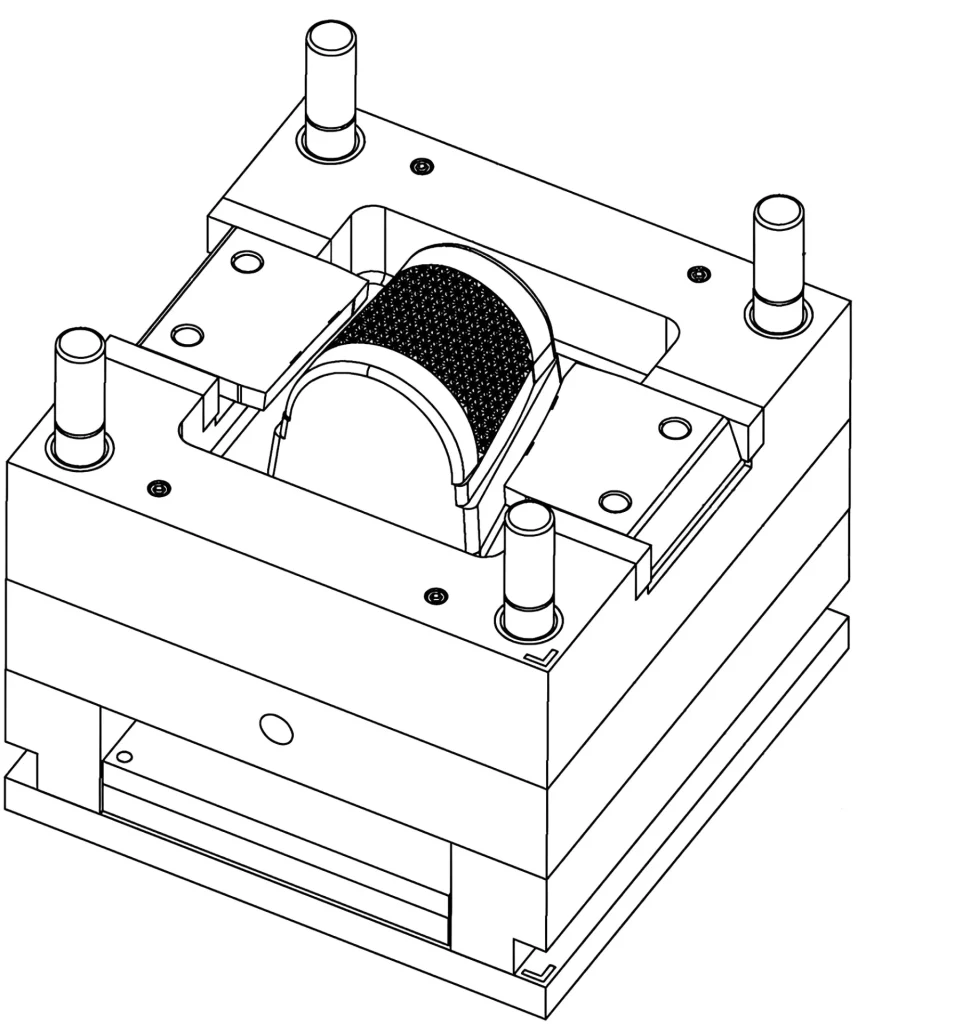
Mechanical unscrewing molds utilize a cam or gear system to rotate the core and release the part.
This system can be powered by a motor or even a hand crank for simpler applications.
As the core rotates, it unscrews from the threaded component, allowing for straightforward and cost-effective operation.
Although less complex than hydraulic or servo-driven molds, mechanical molds are reliable and effective for products that don’t need extreme precision.
Pros:
- Cost-Effective: Mechanical molds are generally more affordable to produce and maintain.
- Simple Operation: Requires minimal setup and fewer components than other types.
- Low Maintenance: Ideal for straightforward applications where high precision isn’t necessary.
Common Applications:
Mechanical unscrewing molds are well-suited for basic designs with fewer threads, such as consumer goods, small caps, and certain automotive components.
They’re a great choice for manufacturers looking to balance cost with functionality.
Choosing the Right Unscrewing Mold Type
Each unscrewing mold type has unique strengths that cater to different needs.
Hydraulic molds excel in high-volume and force-demanding applications, servo-driven molds offer unmatched precision for intricate parts, and mechanical molds provide a budget-friendly solution for simpler designs.
The choice ultimately depends on your product’s design complexity, production volume, and budget requirements, but knowing the strengths of each mold type will help you make the best decision.
Key Benefits of Using Unscrewing Molds

Unscrewing molds offers distinct advantages for industries that rely on precision and efficiency.
Here’s why they’re often the top choice for complex, high-demand products.
- Precision for Complex Designs
Unscrewing molds allows for intricate threading and undercuts, which are essential for parts in the automotive and medical industries.
These molds ensure each component is made to exact standards, enhancing reliability and functionality.
- Reduced Manufacturing Operations
By forming threads directly during the molding process, unscrewing molds eliminates the need for additional post-molding steps like machining or assembly.
This saves time and cost, making them ideal for high-volume production.
- Versatile Design Capabilities
Unscrewing molds support a wide range of shapes and sizes, allowing for easy design changes.
This flexibility suits industries with varied product lines, enabling manufacturers to adapt quickly to specific customer needs.
Applications of Unscrewing Molds Across Industries
Unscrewing molds are versatile tools that support diverse industries, especially when precision threading and durability are essential.
Let’s look at some common applications where unscrewing molds shine.
1. Medical and Pharmaceutical

In the medical and pharmaceutical fields, unscrewing molds are indispensable.
They’re used to create essential supplies like syringes and pill bottles that require precise, tamper-proof threading to ensure safety and reliability.
From prescription containers to specialized medical devices, the high level of accuracy that unscrewing molds offer is crucial for patient safety and regulatory compliance.
2. Automotive Components
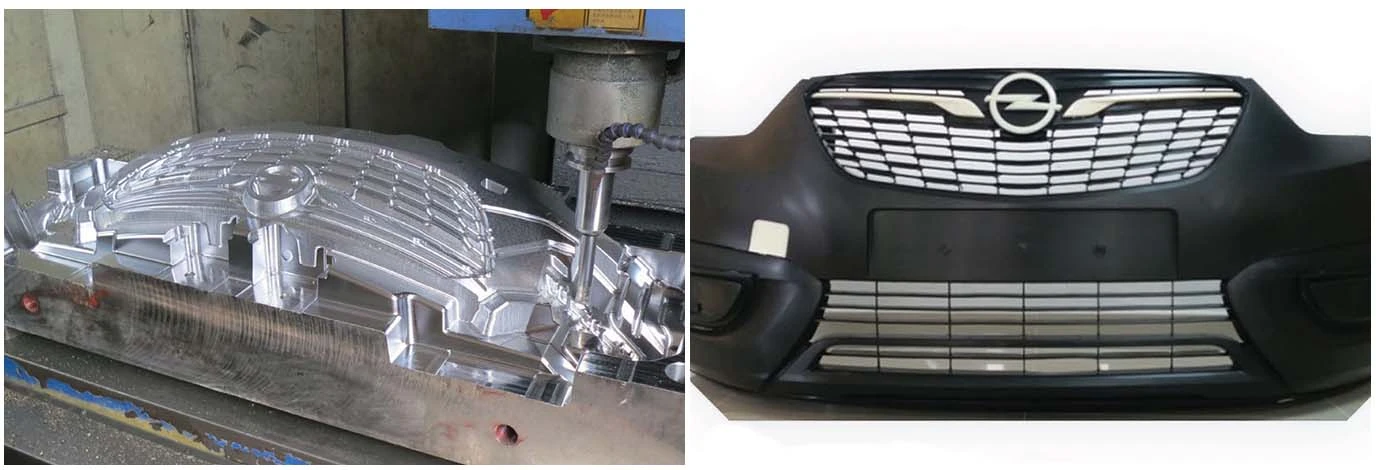
For automotive parts, precision and durability are non-negotiable, especially in components like engine parts, gears, and fasteners.
Unscrewing molds allows for detailed threading that can withstand stress and repeated use.
These molds make it possible to manufacture parts with complex designs that fit securely and perform consistently in harsh automotive environments.
3. Consumer Goods and Packaging

From bottle caps and shampoo lids to cosmetics packaging, unscrewing molds are the go-to for high-quality threaded closures in the consumer goods sector.
These molds are ideal for items requiring easy opening and secure closure, ensuring products stay sealed until they reach the end user.
By supporting large-scale production, unscrewing molds helps manufacturers meet demand efficiently.
4. Other Industries
Beyond healthcare and automotive, unscrewing molds serve a variety of applications in consumer electronics, gardening tools, and household products.
Whether it’s the casing for small gadgets or threaded components for outdoor tools, these molds provide the versatility needed to create strong, reliable parts across multiple sectors.
Materials for Unscrewing Molds

When it comes to unscrewing molds, choosing the right material is essential for achieving durable, precise threads.
Commonly used materials include polypropylene (PP) and high-density polyethylene (HDPE). These plastics are popular due to their excellent moldability, strength, and resistance to wear.
- Polypropylene (PP): Known for its flexibility and durability, PP is ideal for parts that need to withstand frequent opening and closing, such as bottle caps and container lids.
- High-Density Polyethylene (HDPE): HDPE’s rigidity and resilience make it a perfect choice for applications where strength is critical, like medical packaging and automotive components.
These materials offer the necessary strength and stability for threaded components, ensuring they remain reliable throughout their use, even with repeated handling.
How Unscrewing Molds Improve Manufacturing Efficiency

Unscrewing molds are a game-changer for enhancing manufacturing efficiency, especially in high-volume production.
- Cycle Time Reduction: By integrating a streamlined, automated unscrewing process, these molds significantly reduce cycle times. This automation means parts are produced faster and with minimal intervention, making it ideal for high-demand products like bottle caps and medical supplies. The quicker cycle allows manufacturers to meet large orders efficiently.
- Labor Cost Savings: The unscrewing mold’s automation eliminates the need for additional manual handling or complex post-processing steps. Fewer hands-on operations mean reduced labor costs, which can lower overall production expenses. The simplicity of the process makes it especially valuable for industries needing cost-effective solutions without compromising on quality.
Incorporating unscrewing molds not only saves time and money but also boosts production speed, creating a more efficient manufacturing process overall.
Comparing Unscrewing Molds with Standard Injection Molds

When it comes to producing threaded components, unscrewing molds stand apart from standard injection molds in several key ways:
- Specialized for Threads: Unlike standard molds, which use simple knock-off techniques to eject parts, unscrewing molds employ precision movement and rotation to create and release threaded items without damaging the intricate threads. This makes them perfect for products like bottle caps, syringes, and threaded connectors that require a seamless fit.
- Enhanced Ejection Process: Standard injection molds may struggle with threaded designs, leading to additional post-processing or damage to the threads. In contrast, unscrewing molds are specifically designed to unscrew parts from the mold gently, preserving quality and reducing the need for further finishing steps.
This unique capability of unscrewing molds ensures they’re a top choice for high-precision threaded components, delivering both durability and efficiency that standard molds can’t match.
Maintenance and Durability of Unscrewing Molds

High-quality unscrewing molds are essential for maintaining longevity and reliability, especially in high-cycle production environments.
These molds are built to withstand repeated rotations and movements, ensuring they stay effective for long production runs without compromising precision.
With durable materials and robust construction, unscrewing molds reduce the risk of downtime and repairs, making them a valuable investment in industries where consistency and high output are essential.
Routine maintenance is key to sustaining the performance of these molds, particularly for hydraulic and servo-driven types.
Hydraulic molds require regular checks for fluid levels and cylinder integrity to avoid potential leaks or wear, while servo-driven molds benefit from software diagnostics and sensor calibrations to maintain precise control.
Implementing a proactive maintenance schedule helps maximize the lifespan and reliability of unscrewing molds, ensuring they deliver smooth operations over time.
FAQs Related to Unscrewing Mold
Conclusion
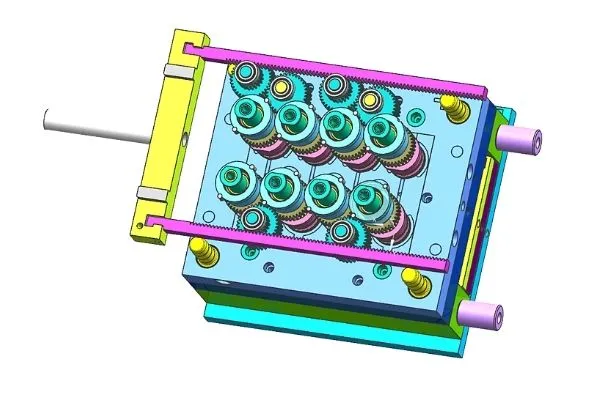
Unscrewing molds offer remarkable efficiency, versatility, and precision, making them ideal for producing threaded and complex components across industries.
Their unique design streamlines manufacturing processes reduces cycle times and enables high-quality, durable parts.
If you’re looking to enhance production quality and reduce costs for products with intricate designs, consider integrating unscrewing molds into your manufacturing.
They provide a reliable, efficient solution for high-demand applications.
Reach out to explore how unscrewing molds can meet your production needs.
Related Articles
- Medical Injection Molding: Precision in Healthcare
- Liquid Silicone Rubber Injection Molding: A Detailed Guide
- Mastering Injection Molding Tolerances: Key Insights
- Reaction Injection Molding: Process, Benefits and Uses
- Injection Molding Defects and Their Solutions
- Aluminum Injection Molding: Cost, Benefits, and Design
- ABS Injection Molding: Key Benefits, Process
- Ultimate Guide to HDPE Injection Molding
- 10 Common Plastic Resins for Injection Molding
- Injection Molding vs. Compression Molding


 English
 Arabic
 German
 Spanish
 French
 Italian
 Javanese
 Korean
 Portuguese
 Russian
 Hindi
 Chinese
