

Injection molding is a widely used manufacturing process for producing plastic parts in large volumes.
It works by injecting molten plastic into a mold, where it cools and hardens into the desired shape.
This method is incredibly versatile and cost-effective, making it the go-to choice for mass production in industries like automotive, electronics, medical, and household goods.

Because of its ability to create complex designs with precision, injection molding is perfect for everything from tiny components to large, durable items.
It’s not just about efficiency—it’s about delivering high-quality products consistently and at a lower cost, which is why it remains one of the most popular manufacturing techniques today.
Benefits of Injection Molding for Product Manufacturing

Cost Efficiency: Mass production through injection molding significantly lowers the per-unit cost. Once the mold is created, thousands or even millions of parts can be produced affordably.
Design Flexibility: Injection molding supports the creation of complex and intricate designs with minimal material waste, allowing for detailed and customized components.
Scalability: Whether producing a small run or scaling up to millions of units, injection molding offers a reliable and efficient way to scale production with consistent results.
High Precision: The process ensures tight tolerances and accurate dimensions, making it ideal for industries that require precision, such as automotive and medical devices.
Common Everyday Products Made with Injection Molding
Injection molding is behind many of the everyday items we use, from essential household products to medical devices and automotive parts.
1. Plastic Bottles & Caps

Think of the plastic water bottles and caps you use daily. Most of these are made through injection molding using PET (polyethylene terephthalate).
This process allows manufacturers to create lightweight, strong, and affordable bottles in large quantities.
2. Toys (e.g., LEGO, Figurines)

Whether it’s building blocks like LEGO or collectible figurines, injection molding ensures precise designs and vibrant colors.
The process allows for intricate details and a range of materials, making toys both durable and visually appealing.
3. Medical Devices (Syringes, Equipment)

Medical devices, such as syringes and various disposable tools, rely heavily on injection molding.
The process ensures sterile, disposable products that meet the healthcare industry’s high safety standards, helping prevent contamination and infection.
4. Electronics Housings (Remotes, Keyboards)

From TV remotes to the keys on your keyboard, injection molding creates durable plastic enclosures that protect the electronic components inside.
These housings are designed to provide insulation, protect against wear and tear, and offer user-friendly functionality.
5. Automotive Parts (Dashboards, Bumpers)

In the automotive industry, injection molding is used to produce lightweight and durable components like dashboards, bumpers, and interior trims.
The ability to create complex shapes with precise dimensions is essential for modern vehicle designs, ensuring both safety and aesthetics.
6. Household Items (Kitchenware, Furniture)

Everyday household items such as plastic utensils, food containers, and even some furniture like chairs and tables are commonly made using injection molding.
The process allows for the mass production of items that are both functional and affordable, available in countless shapes and sizes.
Specialty Products Made with Injection Molding
Injection molding isn’t just used for everyday items—it also plays a crucial role in producing specialty products across various industries, offering precision and durability for more complex applications.
1. Living Hinges

One fascinating application of injection molding is the creation of living hinges.
These are thin, flexible components typically found in products like caps and lids.
A living hinge allows the part to flex repeatedly without breaking, making it ideal for items that require frequent opening and closing.
Injection molding is perfect for producing these seamless, durable parts in one piece, reducing the need for assembly.
2. Threads and Inserts

Injection molding is also widely used to produce threaded components and inserts.
These parts, often found in bottlenecks, caps, or mechanical fittings, require high precision to ensure a perfect fit and function.
Threaded inserts, often used in electronics and automotive parts, benefit from injection molding’s ability to create exact dimensions, ensuring the durability and reliability of the connection over time.
3. Aerospace

In the aerospace industry, injection molding is used to create lightweight and durable components that meet strict safety and performance standards.
These parts are essential in reducing the overall weight of aircraft, which contributes to better fuel efficiency.
Injection molding’s precision ensures that complex components, such as aircraft interior parts or engine components, meet the exact specifications required for high-performance and reliability in critical conditions.
4. Agriculture
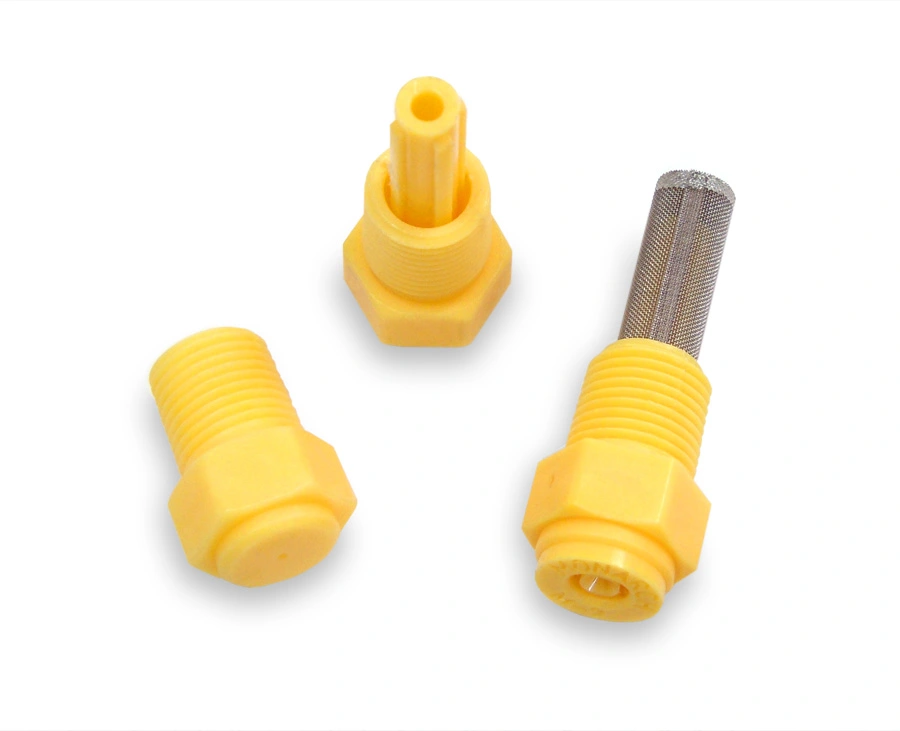
In agriculture, injection molding is employed to produce strong, UV-resistant, and cost-effective tools and components.
These include parts like irrigation systems, tool handles, and protective equipment designed to withstand extreme weather and harsh environments.
The ability to mass-produce durable, high-quality plastic parts ensures that farmers and agricultural workers have access to affordable tools that can handle daily wear and tear.
Key Materials Used in Injection Molding
1. Acrylonitrile Butadiene Styrene (ABS)

ABS is a popular choice for products like toys, electronics, and automotive parts due to its strength, impact resistance, and ability to be molded into precise shapes.
Its flexibility with surface finishes also makes it a great material for aesthetic and functional products, ranging from LEGO blocks to car interior components.
2. Polypropylene (PP)

Polypropylene is one of the most widely used plastics in injection molding.
Known for its resilience and chemical resistance, it’s found in a wide range of products, including plastic bottles, food containers, and automotive battery cases.
Its lightweight and flexibility make it suitable for many everyday applications.
3. Polyethylene Terephthalate (PET)

PET is most commonly associated with bottles and containers for beverages and food products.
Its strength, clarity, and ability to be recycled make it a top choice in the packaging industry, particularly for drink bottles.
4. Polycarbonate (PC)

Polycarbonate is valued for its strength and clarity, making it ideal for products like eyewear, electronics housings, and automotive components.
Its high impact resistance and ability to maintain clarity even under stress are key reasons it’s widely used in transparent products like safety glasses and dashboard displays.
5. Nylon (Polyamide)

Nylon is a durable, heat-resistant material commonly used in gears, bearings, and other mechanical parts that require strength and reliability.
Its low friction properties also make it ideal for parts exposed to continuous movement, ensuring longevity in high-wear environments.
6. Thermoplastic Elastomers (TPE)

TPE is a highly versatile material known for its ability to combine the benefits of plastic and rubber.
It is frequently used in automotive seals, gaskets, and medical devices, where flexibility and durability are essential.
Its ability to withstand repeated bending and stretching makes it perfect for sealing applications and wearable medical components.
Innovations and Future Trends in Injection Molding

The world of injection molding is constantly evolving, with exciting innovations shaping its future.
Sustainable Materials and Processes: There’s a growing shift toward using biodegradable or recyclable plastics to reduce environmental impact. More manufacturers are adopting eco-friendly alternatives to traditional plastic materials, pushing for greener production methods.
Additive Manufacturing Integration: 3D printing is playing an increasingly vital role in the creation of molds. This integration allows for faster prototyping and more complex designs, giving manufacturers more flexibility and reducing lead times in mold production.
Smart Injection Molding: With the rise of AI and automation, smart injection molding systems are improving quality control and minimizing waste. These technologies can monitor and adjust the molding process in real time, ensuring consistent product quality while boosting production efficiency.
FAQs About Injection Molding
What industries use injection molding?
Injection molding is widely used across several industries due to its ability to produce precise and durable components at scale. Some key industries benefiting from injection molding include:
- Electronic industry: Used for casings, connectors, and circuit board components.
- Automotive industry: Ideal for making dashboards, bumpers, and other car parts.
- Pharmaceutical industry: For producing sterile medical devices, syringes, and other disposable equipment.
- Food and beverage industry: Commonly used for packaging like bottles, caps, and containers.
- Telecommunications industry: Enclosures for devices like phones and routers.
- Construction industry: Often used for creating durable building components.
- Packaging industry: Essential for producing containers and packaging materials.
What is the most common injection molded plastic?
There are several plastics used in injection molding, but some of the most common types include:
- Acrylic (PMMA)
- Acrylonitrile Butadiene Styrene (ABS)
- Nylon (Polyamide, PA)
- Polycarbonate (PC)
- Polyethylene (PE)
- Polyoxymethylene (POM)
- Polypropylene (PP)
- Polystyrene (PS)
What are the common uses of injection molding?
Injection molding is a versatile process used to create a wide variety of products, such as:
- Wire spools
- Packaging and bottle caps
- Automotive parts and components
- Toys like LEGO blocks and action figures
- Household items like chairs, tables, and storage containers
- Mechanical parts, including gears and other intricate components
Is injection molding expensive?
The cost of injection molding can vary based on the complexity and size of the mold. Typically:
- Small, simple molds can cost between $1,000 to $5,000.
- Larger, more complex molds may cost $80,000 or more.
- On average, a basic mold that produces a simple, handheld part costs around $12,000.
While the initial investment is high, it becomes cost-effective for mass production because the per-unit cost decreases significantly with higher production volumes.
What are the disadvantages of injection molding?
While injection molding is highly efficient, there are a few disadvantages:
- High start-up costs: Custom molds need to be created, which can be expensive, making it less economical for low-volume production.
- Long initial lead times: Designing and producing molds can take time before production can begin.
- Costly design changes: Once the mold is made, any design changes can be expensive and time-consuming.
Conclusion

Injection molding is a versatile, cost-effective process used across industries to produce high-quality, durable products, from automotive parts to household items.
Its ability to handle large-scale production with precision makes it indispensable for modern manufacturing.
Ready to explore the benefits of injection molding for your business?
Contact us today to get started on creating efficient, reliable products tailored to your needs!
Related Articles
Automotive Injection Molding: Process, Benefits and Uses
Top Injection Molding Machine Manufacturers
Structural Foam Injection Molding: Benefits and Applications
Liquid Silicone Rubber Injection Molding: A Detailed Guide
Comprehensive Guide to Rubber Injection Molding
Ultimate Guide to EVA Injection Molding
Thermoplastic Elastomer (TPE) Injection Molding Guide
Ultimate Guide to Overmolding: Techniques
10 Common Plastic Resins for Injection Molding
Thermoforming vs Injection Molding: Key Differences
Understanding 2K Injection Molding: Process


 English
 Arabic
 German
 Spanish
 French
 Italian
 Javanese
 Korean
 Portuguese
 Russian
 Hindi
 Chinese
