

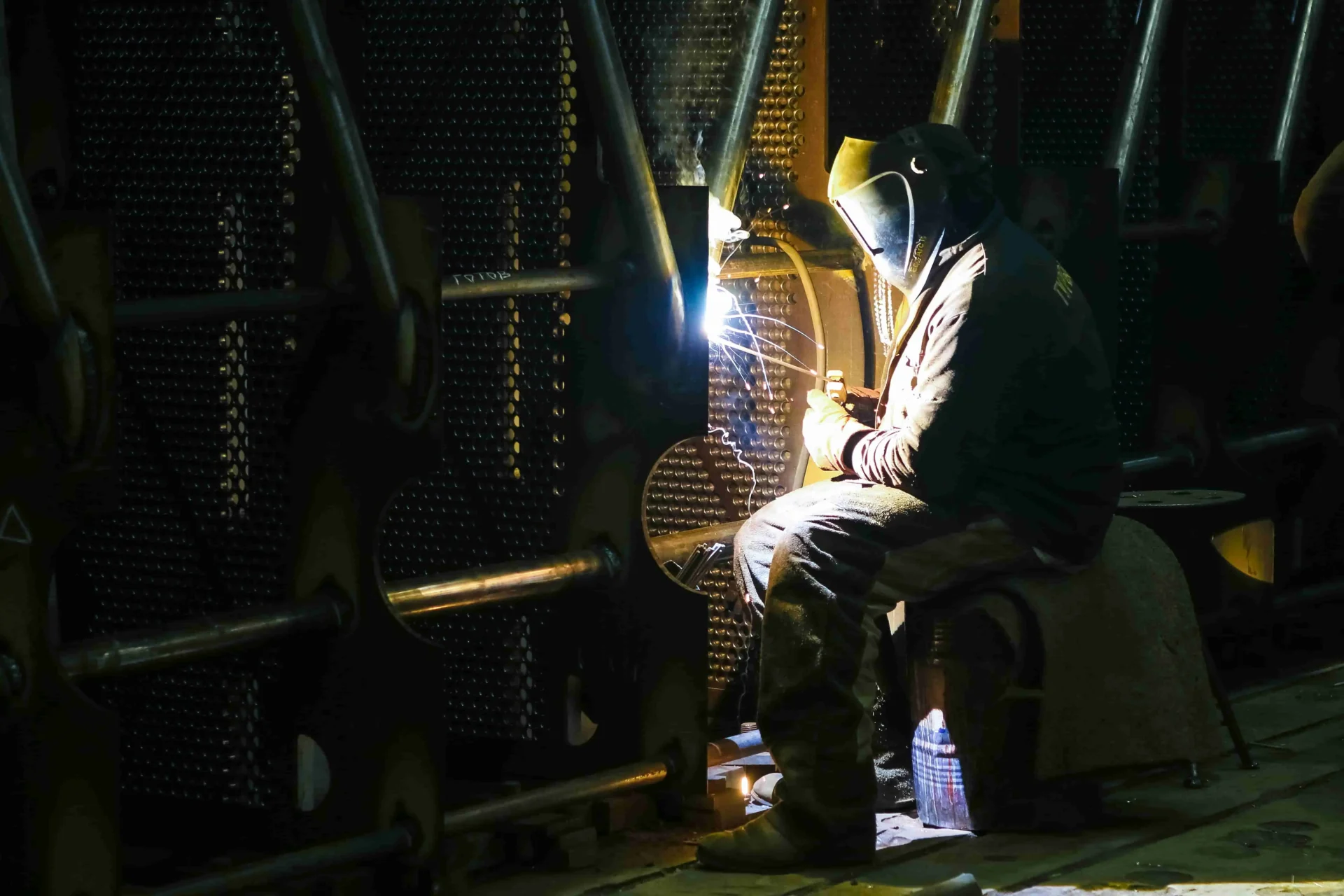

#2 Stainless Steel

Stainless steel is renowned for its corrosion resistance, which makes it an ideal choice for environments exposed to moisture and chemicals.
It is also lightweight compared to regular steel, enhancing its versatility across various applications.
This alloy is composed primarily of iron, carbon, and a minimum of 10.5% chromium, which contributes to its remarkable properties.
Common Uses
You’ll find stainless steel in a wide range of products, including kitchenware, medical equipment, and appliances.
Its non-reactive nature makes it perfect for food preparation tools, while its durability is crucial for surgical instruments and devices that require sterilization.
Pros and Cons Compared to Regular Steel
#3 Aluminum

Aluminum is a lightweight metal that weighs about one-third of steel, making it an attractive choice for various applications.
Its rust-resistant nature helps maintain its integrity in moist environments, while its excellent electrical conductivity makes it ideal for electrical applications.
These properties contribute to aluminum’s versatility across multiple industries.
Aluminum Alloys and Their Applications
Best Welding Techniques
-
TIG Welding (Tungsten Inert Gas): TIG welding offers precise control over the weld pool, making it ideal for thin aluminum materials. It requires a clean surface to prevent contamination.
-
MIG Welding (Metal Inert Gas): MIG welding is a faster process for thicker aluminum sections. It provides a smooth and efficient welding experience, especially when using a spool gun.
-
Resistance Welding: This technique is effective for joining aluminum pieces of similar thickness. It uses heat generated from electrical resistance to create strong welds, particularly in specific applications.
#4 Cast Iron

Cast iron is known for its high carbon content, which gives it excellent castability but also contributes to its brittleness.
This brittleness poses challenges during welding, as it can lead to cracking if not handled properly.
To mitigate these issues, techniques such as preheating the metal before welding are often employed to reduce stress and improve fusion.
Applications in Construction and Manufacturing
Cast iron is widely used in various industries due to its strength and durability.
Here are some common applications:
Construction:
- Pipes: Cast iron pipes are known for their longevity and resistance to corrosion, making them ideal for water and sewage systems.
- Manhole Covers: Their robustness ensures they can withstand heavy traffic loads without cracking.
- Architectural Elements: Often used in decorative features, railings, and facades due to its aesthetic appeal and ability to be molded into intricate designs.
Manufacturing:
- Engine Blocks: The high strength of cast iron makes it suitable for engine components that require durability and heat resistance.
- Machine Parts: Cast iron is commonly used for machine bases, frames, and other structural components in machinery.
- Cookware: Cast iron skillets and pots are favored for their heat retention and even cooking properties, making them a popular choice in both home kitchens and professional settings.
#5 Copper

Copper is renowned for its excellent electrical conductivity and corrosion resistance.
These qualities make it a top choice for various applications, especially in environments where durability and performance are critical.
Common Applications:
- Electrical Components: Copper is widely used in wiring, circuit boards, and electrical connectors due to its ability to conduct electricity efficiently. Its excellent thermal conductivity also makes it ideal for heat exchangers and electrical systems.
- Plumbing: Copper pipes are commonly used in plumbing systems for their resistance to corrosion and ability to withstand high temperatures. They are also valued for their antimicrobial properties, making them suitable for drinking water systems.
Challenges in Welding
Welding copper can present unique challenges due to its high thermal conductivity and tendency to oxidize quickly.
Here are some considerations:
- Thermal Management: The rapid dissipation of heat requires careful control of welding parameters to ensure a strong joint.
- Oxidation: To mitigate oxidation, it’s essential to use protective gases or fluxes during the welding process.
- Welding Techniques: Techniques such as TIG (Tungsten Inert Gas) welding are commonly employed, allowing for precision and control in creating strong welds.
#6 Nickel

Nickel is celebrated for its corrosion resistance and ability to perform well in extreme environments.
Its resilience against oxidation and heat makes it an essential material in various challenging applications, particularly where durability is critical.
Typical Applications:
- Aerospace Industry: Nickel alloys are commonly used in aircraft engines and components due to their ability to withstand high temperatures and corrosive conditions.
- Chemical Processing: Nickel is utilized in the manufacturing of reactors, heat exchangers, and piping systems, where it can resist harsh chemicals and extreme temperatures.
- Marine Applications: Its corrosion resistance makes nickel suitable for marine environments, often used in shipbuilding and offshore structures.
- Electronics: Nickel is found in batteries, connectors, and various electronic components, contributing to their reliability and performance.
#7. Magnesium

Magnesium is one of the lightest structural metals, making it ideal for applications where weight reduction is crucial.
It also has excellent vibration absorption properties, which helps in reducing noise and enhancing comfort in various applications, particularly in automotive and aerospace industries.
Best Practices for Welding
- Cautions: Welding magnesium requires special care due to its flammability and susceptibility to burning. Ensure proper ventilation and avoid contaminants that could ignite during the welding process.
- Techniques:
- TIG (Tungsten Inert Gas) Welding: This method is often preferred for its precision and control. Use a high-frequency start and pure argon shielding gas to protect the weld area.
- MIG (Metal Inert Gas) Welding: Suitable for thicker sections, but ensure you maintain the correct parameters to prevent burn-through.
- Friction Stir Welding: A solid-state process that can effectively join magnesium without melting, reducing the risk of burning and distortion.
#8 Tungsten

Tungsten is renowned for its exceptionally high melting point and density, making it one of the hardest metals available.
It is highly resistant to deformation and wear, which is why it’s often used in applications requiring durability under extreme conditions.
Common Applications
- Electrodes: Tungsten is commonly used in TIG welding electrodes due to its ability to withstand high temperatures without melting.
- Light Bulb Filaments: Its high melting point makes it ideal for filaments in incandescent light bulbs.
- Aerospace and Defense: Used in various components where strength and temperature resistance are critical, including parts in jet engines and military applications.
Welding Considerations
- Techniques: When welding with tungsten, it’s essential to use TIG welding, which provides a precise and controlled environment. Proper preparation of the tungsten electrode is crucial for achieving a clean and efficient weld.
- Inert Gas Protection: Ensure that the welding area is shielded with inert gas to prevent contamination and oxidation, which can weaken the weld.
Factors Affecting Metal Selection for Welding

When it comes to selecting the right metal for welding, several critical factors come into play.
Understanding these factors can greatly influence the success of your welding project.
1. Heat Response
Different metals react uniquely to welding temperatures.
Some metals, like aluminum, have a low melting point, making them easier to weld but potentially prone to warping.
On the other hand, steel can withstand higher temperatures but may require preheating to prevent cracking, especially in thicker sections.
It’s essential to consider how each metal will respond to the heat generated during the welding process to ensure a successful join.
2. Compatibility
Welding dissimilar metals can present challenges due to differences in their properties.
Best combinations include pairing metals with similar thermal expansion rates and mechanical properties.
For example, aluminum and magnesium can be effectively welded together, while mixing steel and aluminum may require specialized techniques and filler materials.
Understanding the compatibility of the metals involved is crucial for achieving strong, reliable welds.
3. Environmental Considerations
The application environment plays a significant role in metal selection.
For instance, metals that are exposed to corrosive environments must have appropriate corrosion resistance.
Stainless steel is often preferred for marine applications due to its resistance to rust and degradation.
Additionally, consider factors such as temperature fluctuations and exposure to chemicals when selecting metals for specific applications.
Welding Techniques and Their Impact on Metal Choice
Choosing the right welding technique is essential not just for the quality of the weld, but also for determining which metals are best suited for a project.
Understanding the characteristics of various welding processes can help you make more informed decisions about metal selection.
Overview of Common Welding Processes

-
MIG (Metal Inert Gas) Welding
MIG welding is known for its speed and versatility. It uses a continuously fed wire electrode and an inert gas to shield the weld from contamination. This technique is particularly effective for welding thin materials and is commonly used with aluminum and mild steel. -
TIG (Tungsten Inert Gas) Welding
TIG welding provides precise control over the welding process. It uses a non-consumable tungsten electrode and requires a filler rod. While it can be used on various metals, it is especially beneficial for thin materials and provides high-quality welds. -
SMAW (Shielded Metal Arc Welding)
Also known as stick welding, SMAW involves using a consumable electrode coated in flux. This process is versatile and can be used in various positions. It’s suitable for welding thicker materials, including carbon steel and stainless steel, but may require more skill.
How Techniques Influence Metal Selection and Welding Outcomes

The choice of welding technique significantly impacts which metals are suitable for a project.
For example, MIG welding is often preferred for aluminum due to its fast welding speed and efficiency.
On the other hand, TIG welding’s precision makes it ideal for metals like stainless steel and titanium, where a clean, strong weld is crucial.
Moreover, the welding process can affect the heat input, which is vital for metal properties.
Techniques that generate excessive heat can alter the microstructure of certain metals, leading to issues such as warping or reduced strength.
Therefore, selecting a welding technique that complements the specific metal properties can enhance the overall quality and durability of the weld.
Best Practices for Welding Different Metals

Welding is an art and a science, and mastering the nuances of different metals can significantly impact the quality of your work.
Here are some best practices to ensure successful welding across various metal types:
Tips for Successful Welding
-
Pre-Weld Preparation
Ensure that all surfaces are clean and free from contaminants such as rust, oil, or dirt. Proper preparation helps achieve stronger welds and reduces the likelihood of defects. -
Control Heat Input
Different metals require varying levels of heat. Monitor your heat settings closely to avoid warping or damaging sensitive materials. Techniques like interpass temperature control can be beneficial for maintaining appropriate heat levels. -
Select the Right Technique
Choose a welding technique that best suits the metal type. For instance, use MIG for aluminum for its efficiency, while TIG is ideal for achieving precision in stainless steel. -
Consider Joint Design
The design of the joint plays a crucial role in welding success. A well-designed joint allows for better penetration and a more uniform weld, enhancing overall strength. -
Practice Proper Post-Weld Treatment
Allow the welded piece to cool gradually to prevent cracking. Depending on the metal, you may also need to apply post-weld treatments like stress relieving or heat treatment.
Importance of Using the Correct Filler Materials and Electrodes

Using the right filler materials and electrodes is crucial for achieving strong, reliable welds.
Filler materials should match the base metals to ensure compatibility, minimizing the risk of corrosion or structural failure. For example:
- For Steel: Use electrodes specifically designed for carbon or stainless steel to maintain integrity.
- For Aluminum: Opt for aluminum-specific filler rods to ensure proper fusion.
- For Specialty Metals: Be sure to select filler materials that cater to the unique properties of metals like titanium or magnesium.
FAQs
Conclusion

In summary, selecting the right metal for welding is essential for achieving strong, durable joints across various applications.
Understanding the properties and best practices for different metals, including steel, aluminum, and more, ensures optimal results in your welding projects.
If you’re ready to tackle your next welding project or need expert advice, don’t hesitate to reach out!
Our team is here to help you choose the best materials and techniques for your specific needs.


 English
 Arabic
 German
 Spanish
 French
 Italian
 Javanese
 Korean
 Portuguese
 Russian
 Hindi
 Chinese
