

In modern manufacturing, ISBM is the ultimate in precision and speed. This process includes injection molding and blow molding to create complex plastic parts with finesse.
It’s basically injecting molten plastic into a preformed mold cavity, then stretching and blowing it into shape. This combination of steps allows for complex geometries, thin walls, and consistency. That’s why ISBM is the go-to for high-performance plastic components.
The magic of ISBM lies in its ability to marry innovation with functionality, shaping the future of manufacturing.
The Process Unveiled: Manufacturing Precision

The process of ISBM is changing the way we make many plastic products. Let’s get into the ISBM process and how it’s impacting industries today.
1. Material Injection & Mold Formation
With surgeon-like precision, the molten thermoplastic material flows into the core of the mold cavity. This is the start of the Injection Stretch Blow Molding (ISBM) process, where the magic happens. The mold is made up of two halves and encases the material with precision, forming it into the design.
The high-pressure injection molding systems are the conductors of this manufacturing symphony, making sure the mold is filled with molten material. They have no margin for error.
This attention to detail ensures the integrity and quality of the final product. Hence, ISBM is the go-to method for making complex plastic components in modern manufacturing.
2. Solidification & Preform Creation
As the hot plastic cools down and solidifies inside the mold, it changes shape. It starts to look like the design you expected. This is how precise the Injection Stretch Blow Molding (ISBM) process is. Every little detail of this process counts to get the product just right.
When the mold opens up, it reveals what’s inside – the preform. It’s like a first look at what the final product will be. This is the start of making something great. It’s like laying the first brick of a big building.
3. Perform Transfer & Reheating

After the preform has cooled and solidified, it goes to the blow molding machine, where its transformation continues. Here, in a warm, gentle heat, the performance softens slightly and becomes pliable for the next stage.
Here, temperature and pressure need to be controlled. It’s the final shaping of the plastic as it eventually takes the shape of the mold.
In this controlled environment, the preform transforms. With every second, it evolves, takes shape with precision and finesse, and becomes the product we want.
3. Stretching, Blowing & Orientation
In the blow molding station, the preform, which is like a small plastic shape, gets stretched and blown. It later gets bigger and changes shape. Meanwhile, the tiny building blocks of the plastic and the molecules move around a little, making the final product stronger and clearer.
It’s like a slow dance where everything happens just right. This whole process, Injection Stretch Blow Molding (ISBM), is like magic, turning a simple thing into something special. How cool is making stuff?
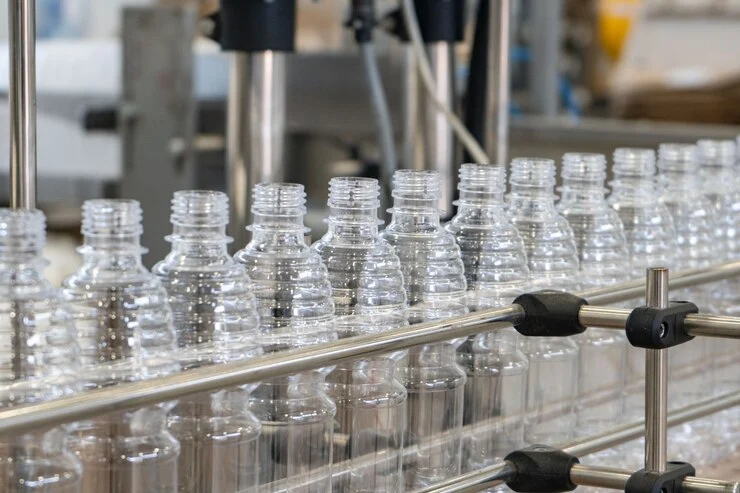
4. Final Product
Ta-da! The mold reveals what it’s made of. It seems like ISBM says, “Look what I did.” You now have the final product with you. Hereafter, you can examine the product and make changes in the design for pieces that will be produced later.
Why Stretching Matters?
The stretching step in ISBM is where the magic happens. Let’s discover why stretching is so important in this process. By aligning the plastic molecules, ISBM creates bottles that are:
- Stronger: The aligned molecules create a tighter structure that is more resistant to pressure and impact.
- Better Barriers: The structure is better at containing liquids and gasses with no leaks or spoilage.
- Lighter: The stretching allows for thinner walls, less plastic, and lighter.

Common Problems and Solutions
While ISBM offers numerous benefits, it is not perfect. There are still some loopholes in the injection stretch blow molding process. But the good news is that you can fix them by following some simple tips. Here’s a look at some common flaws of ISBM and how to address them:
| Uneven walls | Tweak stretch and mold design. |
| Sink marks | Cool with precision and material control. |
| Weld lines | Plan gate location, pressure, and mold temperature. |
| Bubbles | Blow pressure and gate location. |
Conclusion
Injection Stretch Blow Molding is not just a process. It’s an art that combines precision, innovation, and craftsmanship to create complex plastic products. As industries move forward, ISBM is leading the way in innovation, pushing the boundaries of what’s possible in modern manufacturing.
And if you are looking for reliable injection molding services, HiTop Industrial is here to help you. You can join us in celebrating the magic of ISBM – where imagination meets reality and dreams come to life in our hands.
FAQs Related to Injection Stretch Blow Molding
1. What’s the Difference Between ISBM and Other Moldings?
ISBM combines the best of injection molding and blow molding processes with more design flexibility and precision than traditional methods.
2. What Products are Made With ISBM?
ISBM is used to make bottles, containers, jars, and other hollow plastic products in industries such as packaging, pharmaceuticals, cosmetics, and automotive.
3. How is ISBM Sustainable and Eco-Friendly?
ISBM is sustainable by making lightweight, recyclable plastic products with minimal material waste and energy consumption.
4. Can ISBM be Used for Prototyping or Low Volume?
Yes, ISBM can be used for prototyping and low volume, but it’s most cost-effective for high volume due to tooling and setup costs.
Related Articles
- Medical Injection Molding: Precision in Healthcare
- Liquid Silicone Rubber Injection Molding: A Detailed Guide
- Mastering Injection Molding Tolerances: Key Insights
- Reaction Injection Molding: Process, Benefits and Uses
- Injection Molding Defects and Their Solutions
- Aluminum Injection Molding: Cost, Benefits, and Design
- ABS Injection Molding: Key Benefits, Process
- Ultimate Guide to HDPE Injection Molding
- 10 Common Plastic Resins for Injection Molding
- Injection Molding vs. Compression Molding


 English
 Arabic
 German
 Spanish
 French
 Italian
 Javanese
 Korean
 Portuguese
 Russian
 Hindi
 Chinese
