


Injection molding tooling is the backbone of plastic part manufacturing.
It’s the carefully crafted mold that shapes the molten material into the products we use every day, from toys to automotive components.
Proper tooling design and material selection play a crucial role in producing high-quality parts efficiently.
In this article, we’ll explore why getting the tooling right is essential for cost-effective production and consistent results.
Keep reading to discover how to make the most of your injection molding process!
What is Injection Molding Tooling?

Injection molding tooling refers to the process of designing and creating molds used to shape plastic components.
These molds are precision-engineered to form plastic parts by injecting molten material into the mold cavity.
The quality of the tooling significantly impacts the production process.
Well-designed tooling ensures that parts are manufactured efficiently, consistently, and with minimal waste, directly influencing the overall quality and cost of production.
In essence, injection molding tooling is a critical factor in determining the success of any plastic manufacturing project.
Types of Injection Molding Tools

- Single-Cavity Molds: Single-cavity molds produce one part per cycle, making them ideal for low-volume production or large components where precision and customization are essential.
- Multi-Cavity Molds: These molds are designed for mass production, creating multiple identical parts in a single cycle. They offer high efficiency and reduced production times, perfect for industries needing large quantities.
- Family Molds: Family molds allow for the production of different parts or variations in one cycle. This streamlines the process for manufacturing assemblies or product families.
- Insert Molds: Insert molds combine pre-fabricated components, such as metal inserts, with plastic parts in one cycle, adding durability or additional functionality to the final product.
- Prototype Molds: Prototype molds are cost-effective solutions for testing part designs or low-volume production runs, ensuring the design functions as intended before full-scale production.
- Stack Molds: Stack molds maximize output by using multiple parting surfaces, increasing production capacity without needing larger machines, commonly used in high-volume industries like packaging.
Tooling Materials and Their Impact
1. Aluminum

Aluminum is a popular choice for low-volume production due to its fast machining time and cost-effectiveness.
While it offers faster cooling and cycle times, it’s less durable and wears out quickly, making it ideal for prototyping or short-run projects.
Steel (P20, NAK80)
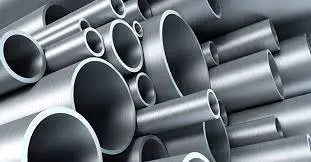
P20 and NAK80 steels are widely used for mid to high-volume production.
They strike a good balance between durability and cost, making them excellent for long-lasting tools.
NAK80, in particular, is ideal for projects requiring a high-gloss finish due to its superior polishing capabilities.
Hardened Steel (H13, S136)

For high-volume production, hardened steel like H13 and S136 offers the best durability, resisting wear, heat, and corrosive materials.
These materials ensure long tool life and are ideal for producing parts in the millions without compromising precision or quality.
Injection Molding Process and Key Considerations
1. Tool Design and Features
A well-designed injection mold includes key elements like cooling lines, ejector systems, runner design, and gating systems.
Cooling lines regulate the mold temperature, ensuring quick and even cooling of parts.
Ejector systems smoothly remove the cooled part from the mold, while runner and gating systems control the flow of molten plastic into the mold cavity, affecting part quality and production efficiency.
2. Process Steps
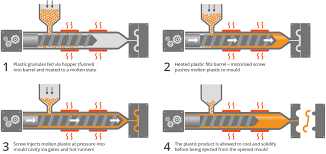
The injection molding process consists of four main stages:
- Material Preparation: Plastic pellets are dried and prepared to remove moisture.
- Melting and Injection: The plastic is melted and injected into the mold at high pressure.
- Cooling: The part cools inside the mold, with cooling lines ensuring uniformity.
- Ejection: Once the part solidifies, ejector pins release it from the mold.
3. Scientific Molding
This advanced technique optimizes repeatability and precision by using sensor-driven data.
By closely monitoring variables like pressure, temperature, and cooling rates, scientific molding ensures each cycle produces consistent, high-quality parts, minimizing defects and increasing efficiency.
Key Factors in Tooling Design

1. Part Geometry and Complexity
The shape and complexity of the part directly impact mold design.
Intricate shapes with undercuts or fine details may require more advanced molds with moving components.
For simple parts, a straightforward mold is sufficient, but as complexity increases, so does the need for sophisticated tooling.
2. Material Selection
Choosing the right materials for both the mold and the plastic part is crucial.
The compatibility between the molding material and tool material ensures proper flow, cooling, and durability.
For example, corrosive or high-temperature plastics may require hardened steel molds, while simpler materials can work with aluminum tooling.
3. Production Volume
Production volume is key in deciding the type of mold to use.
For low-volume production or prototyping, simpler and less expensive molds, like single-cavity or aluminum molds, are ideal.
High-volume production, however, requires durable, multi-cavity steel molds that can withstand continuous use.
4. Tolerance and Dimensional Accuracy

For industries like aerospace or medical, tight tolerances are essential.
The mold must account for potential shrinkage, cooling rates, and part complexity to achieve precise dimensions.
Accurate tooling design ensures consistent results, even with the most demanding specifications.
Advantages of Proper Tooling

1. Dimensional Stability
Well-designed molds ensure that parts maintain their shape and size, even under mechanical stress or environmental changes.
This consistency is crucial for producing parts that meet exact specifications without deformation or shrinkage.
2. Cost Efficiency
While high-quality tooling may require an upfront investment, it pays off over time.
Durable molds reduce maintenance costs and can produce thousands—or even millions—of parts, lowering the per-part cost significantly in high-volume production runs.
3. Durability
Properly chosen materials, like hardened steel, allow molds to withstand high temperatures, pressures, and wear caused by abrasive or corrosive materials.
This longevity ensures consistent production quality and reduces the need for frequent tool replacements.
Challenges in Injection Molding Tooling
- Moisture Sensitivity: Materials used in injection molding, especially certain plastics, are prone to absorbing moisture. If not properly dried before molding, this moisture can lead to defects like surface imperfections or internal weaknesses in the final part, making material preparation a crucial step.
- Thermal Degradation: Overheating during the molding process can cause the material to degrade, resulting in issues like discoloration, brittleness, or reduced strength in the finished product. Managing the temperature of both the material and the mold is essential to prevent these defects.
- Shrinkage: All materials shrink as they cool, and improper tool design can exacerbate this issue, leading to parts that are undersized or warped. Tooling must account for shrinkage rates to ensure parts come out with the correct dimensions.
Optimizing Costs in Injection Molding Tooling
Material Selection
Choosing the right tooling material is key to balancing cost and durability.
For lower-volume production, aluminum offers a cost-effective solution due to its quicker machining time, while steel or hardened steel is better suited for higher volumes, providing long-term cost savings with greater durability and precision.
Tool Design
Simplifying the design of the tool can help reduce both initial costs and lead times.
By minimizing unnecessary features and focusing on essential elements like cooling systems and ejectors, you can streamline production without compromising quality.
Prototyping First
Using prototype molds allows you to test and verify your design before investing in full-scale production tooling.
This step reduces the risk of costly design changes later in the process, ensuring the final tool is optimized for performance and cost efficiency.
Common Applications of Injection Molding Tooling
1. Automotive

Injection molding is widely used to manufacture durable, lightweight parts like dashboards, bumpers, and interior components.
These parts require precise molding to ensure safety and performance, making proper tooling essential in the automotive industry.
2. Medical

From diagnostic tools to protective casings for sensitive devices, injection molding plays a crucial role in producing high-quality, sterilizable medical components.
The stringent requirements for precision and cleanliness highlight the importance of well-designed molds.
3. Consumer Electronics

Products like phone cases, computer housings, and other electronic enclosures rely heavily on injection molding for their durability and sleek designs.
High-efficiency, multi-cavity molds are often used to meet the demand for these mass-produced items.
FAQs About Injection Molding Tooling
What is tooling for injection molding?
Tooling for injection molding refers to the mold, often made of metal, used in the injection molding process to shape molten plastic resins into specific forms. The mold, also called tooling, is essential for creating the shape, features, and details of the final product.
Why is injection molding tooling so expensive?
Injection molding tooling is expensive due to the complex nature of designing and fabricating a mold. It requires careful planning, specialized expertise, and high labor input. The more intricate the mold design, the higher the cost, as the tool must meet precise specifications to ensure high-quality production.
What are injection tools?
Injection tools, including the core and cavity, are critical components in a plastic injection mold that shape the final product. Beyond shaping, the tool also controls the cooling rate of the plastic, ensuring proper formation and quality of the finished part.
Conclusion

Injection molding tooling plays a vital role in producing high-quality plastic parts, ensuring efficiency and cost-effectiveness in the manufacturing process.
From selecting the right materials to designing the mold, every decision impacts the final product’s durability, precision, and overall performance.
If you’re ready to enhance your production with expertly crafted tooling solutions, get in touch with our team today.
We’ll guide you through the process to ensure optimal results for your next project!
Related Articles
ABS Injection Molding: Key Benefits, Process & Uses
Reaction Injection Molding: Process, Benefits and Uses
The Ultimate Guide to Injection Molding
Medical Injection Molding: Precision in Healthcare
Comprehensive Guide to Metal Injection Molding (MIM)
Parting Line Injection Molding Guide
Sink Marks Prevention in Injection Molding
What is Injection Molding Back Pressure?


 English
 Arabic
 German
 Spanish
 French
 Italian
 Javanese
 Korean
 Portuguese
 Russian
 Hindi
 Chinese
