

Hot runner injection molding is a game-changer in modern plastic manufacturing.
Unlike traditional cold runner systems, where excess plastic is wasted, hot runners keep the plastic molten as it flows directly into the mold cavities.

This advanced process minimizes waste, improves production efficiency, and allows for faster cycle times, making it ideal for high-volume production.
Whether you’re creating automotive parts, medical devices, or consumer goods, hot runner systems offer the precision and flexibility needed to produce complex, high-quality parts with less downtime and material waste.
It’s an innovative solution that helps manufacturers save both time and resources.
How Hot Runner Injection Molding Works

Hot runner injection molding works by continuously keeping the plastic molten as it travels through a heated runner system, allowing for efficient and precise molding.
Let’s break down the process:
#1 Plastic Melting
Plastic pellets are fed into the injection molding machine’s barrel, where they are heated to their melting point.
This phase is critical because maintaining the correct temperature ensures the plastic melts evenly, avoiding inconsistent textures or material degradation.
#2 Injection
Once the plastic is fully molten, it is injected into the mold through a heated manifold.
The manifold, equipped with temperature-controlled channels, keeps the plastic at the right viscosity, allowing it to flow seamlessly through the runner system without solidifying or causing clogs.
#3 Cavity Filling
The molten plastic is distributed to the mold cavities through a series of heated nozzles. These nozzles ensure the plastic fills each cavity uniformly, preventing voids or incomplete parts.
Precise temperature regulation during this stage is key to producing parts with smooth finishes, dimensional accuracy, and minimal defects.
Types of Hot Runner Systems
Hot Tip Hot Runner Systems

This system is the most commonly used hot runner type. It uses a specialized hot tip at the nozzle, precisely controlling the temperature at the gate.
The design of the nozzle insert and hot tip is crucial for maintaining optimal flow.
This system works well with a wide range of materials, including both crystalline and non-crystalline plastics such as PP, PE, PET, and TPU.
It’s ideal for producing medium to small-sized parts, with gate diameters typically ranging from 0.5mm to 2.0mm.
Due to its versatility, it’s widely applied in micro-parts manufacturing.
Sprue Gating Hot Runner Systems

In sprue gating systems, the molten plastic enters the mold cavity directly through an open pipe, which results in low-pressure loss during the flow.
This system is best suited for medium to large parts, particularly when low shear rates and high mechanical strength are required.
However, it leaves a more visible gate mark, making it ideal for internal components or parts with minimal aesthetic requirements.
Sprue gating is often used in conjunction with cold runners, combining the sprue nozzle with the main cold runner for better flow.
Valve Gating Hot Runner Systems

Valve gating systems offer superior control, allowing users to open or close the gate mechanically with a valve pin.
This system is highly efficient and produces smooth, glossy finishes with minimal gate marks, making it suitable for aesthetic parts.
Valve gating systems are ideal for high-precision applications where the appearance and strength of the part are critical, such as in automotive or medical components.
They also provide the flexibility to control the timing of gate opening and closing, expanding the scope of hot runner applications.
Compare Each Type
Advantages and Disadvantages of Hot Runner Injection Molding

Hot runner injection molding offers a range of advantages that make it a preferred choice for many manufacturers, especially when efficiency and quality are top priorities.
Advantages of Hot Runner Injection Molding
-
Reduced Waste: One of the biggest benefits of hot runner systems is the elimination of cold runners, which significantly reduces plastic waste. This makes the process more sustainable and eco-friendly.
-
Faster Cycle Times: Since there’s no need to cool and remove cold runners, cycle times are much shorter. This boosts production efficiency and allows for faster manufacturing, leading to higher output.
-
Improved Part Quality: Hot runners allow for better control over plastic flow, which reduces common defects like sink marks, flow lines, and gate vestiges. The result is cleaner, higher-quality finishes with minimal post-processing.
-
Design Flexibility: The ability to strategically position gates for optimal plastic flow offers greater design freedom. This allows for the creation of more complex or aesthetic parts without sacrificing quality.
-
Cost Savings: While the initial investment in hot runner systems may be higher, the long-term savings through reduced material waste, faster cycle times, and fewer post-production processes make it a cost-effective solution over time.
Disadvantages of Hot Runner Injection Molding
-
Higher Upfront Costs: The equipment and tooling for hot runner systems require a higher initial investment compared to cold runner systems.
-
Maintenance Complexity: Hot runners come with additional components like heaters and controllers, which can make maintenance more challenging and increase downtime if issues arise.
Key Components of a Hot Runner System
Hot runner systems rely on several essential components to ensure efficient and precise plastic injection molding.
Understanding these parts is crucial for optimizing performance.
1. Manifold

The manifold acts as the heart of the hot runner system.
It distributes molten plastic from the injection machine’s nozzle to the mold cavities.
By keeping the plastic in a heated state throughout the process, the manifold ensures uniform flow and prevents material from solidifying too early.
Its design can vary depending on the mold’s complexity and the number of cavities it serves.
2. Nozzles

Nozzles are responsible for guiding the molten plastic into the mold cavities.
Positioned at each gate, they provide precise control over the flow, ensuring the right amount of material enters each cavity at the correct time.
Different nozzle designs can be used based on the part’s requirements and material properties.
3. Heaters and Temperature Controllers

Heaters are essential to maintaining the plastic’s molten state as it travels through the system.
Paired with temperature controllers, these components regulate the heat in the manifold and nozzles.
Precise temperature control is critical to avoid defects like burning, warping, or incomplete fills, ensuring consistent part quality throughout the production process.
Applications of Hot Runner Systems
Hot runner injection molding is widely used across various industries due to its ability to produce high-quality, intricate parts with minimal waste.
Here are some key sectors where this technology excels:
Automotive Parts

In the automotive industry, hot runner systems are essential for manufacturing large, complex components like dashboards, bumpers, and interior trim.
The ability to produce precise, high-strength parts with minimal defects makes it a popular choice for automakers looking to optimize efficiency and quality in large-scale production.
Medical Equipment

Medical equipment like syringes, sterile containers, and parts for diagnostic devices rely on hot runner systems for their production.
The system’s precise temperature control and consistent part quality are crucial for medical applications where accuracy and cleanliness are critical.
Consumer Goods
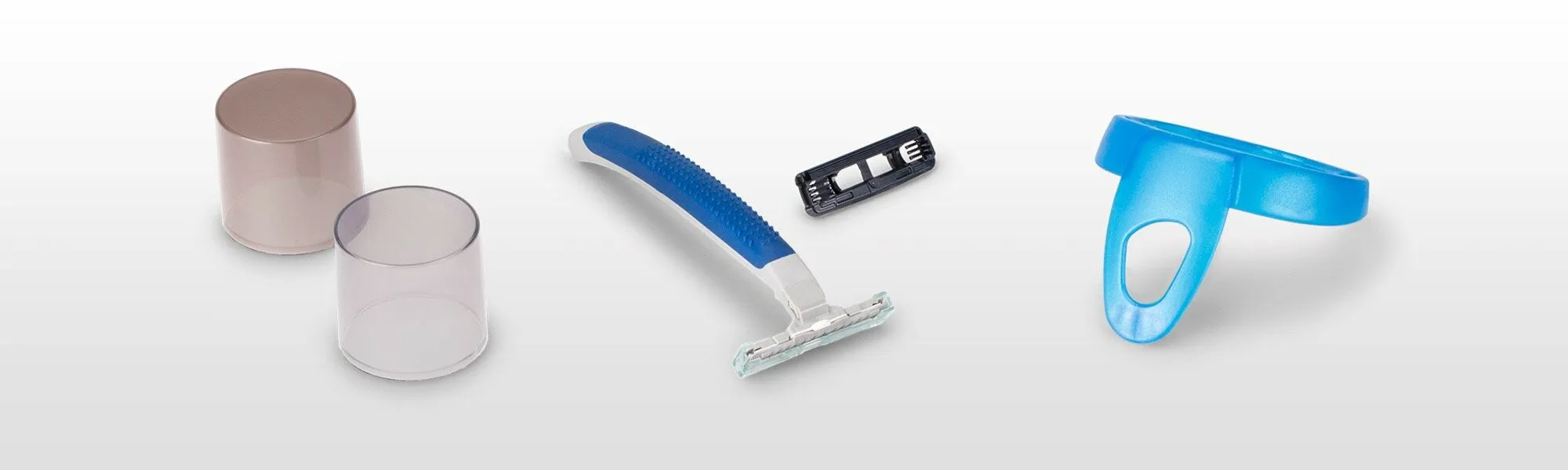
Hot runner technology is ideal for producing plastic packaging, toys, and electronics casings.
Its ability to handle high-volume production with complex designs and tight tolerances makes it perfect for consumer goods, ensuring durable, visually appealing products that meet market demands.
When to Choose Hot Runner Injection Molding

Hot runner injection molding is ideal for large-scale production runs where precision, high part quality, and minimal waste are crucial.
If your project requires producing complex parts in high volumes—like automotive components, medical devices, or packaging materials—this system offers significant advantages.
Its ability to maintain consistent plastic flow and reduce cycle times makes it perfect for industries that prioritize efficiency and sustainability.
In cases where material waste, surface finish, and speed of production are important factors, hot runner systems deliver long-term cost savings and improved product quality, making them the preferred choice for demanding manufacturing environments.
Hot Runner vs. Cold Runner Systems

Conclusion

Hot runner injection molding offers numerous benefits, from reducing waste to improving production efficiency and part quality.
With options like hot tip, sprue gating, and valve gating systems, it’s adaptable to a wide range of industries and applications, ensuring better design flexibility and lower long-term costs.
Ready to enhance your injection molding process with hot runner systems?
Contact us today to explore the best solutions for your production needs.
Our expert team will help you select the perfect system to boost efficiency and product quality.
Related Articles
Structural Foam Injection Molding: Benefits and Applications
Liquid Silicone Rubber Injection Molding: A Detailed Guide
Comprehensive Guide to Rubber Injection Molding
Ultimate Guide to EVA Injection Molding
Thermoplastic Elastomer (TPE) Injection Molding Guide
Ultimate Guide to Overmolding: Techniques
10 Common Plastic Resins for Injection Molding
Thermoforming vs Injection Molding: Key Differences
Understanding 2K Injection Molding: Process
PEEK Injection Molding: Properties, Benefits, and Tips


 English
 Arabic
 German
 Spanish
 French
 Italian
 Javanese
 Korean
 Portuguese
 Russian
 Hindi
 Chinese
