


Materials Commonly Used in Overmolding

Thermoplastic elastomers (TPE) are among the most popular materials used in overmolding.
TPEs combine the properties of rubber and plastic, offering excellent flexibility, durability, and resistance to chemicals and UV light.
Their soft-touch feel makes them ideal for applications requiring ergonomic grips, such as in hand tools, medical devices, and consumer electronics.
TPEs can be easily colored and molded into various shapes, allowing for creative and functional design solutions.
Other Suitable Materials
While TPEs are widely used, several other materials can also be effectively employed in overmolding:
Polyurethane (PU): Known for its exceptional abrasion resistance and flexibility, PU is often used in applications requiring a soft touch and impact resistance. It’s commonly found in automotive and industrial components.
Polypropylene (PP): This lightweight and chemical-resistant plastic is often used as a substrate for overmolding due to its good balance of stiffness and flexibility. It’s particularly useful in packaging and consumer products.
Polyvinyl Chloride (PVC): PVC can be over-molded to provide added flexibility and a softer feel. It’s often used in applications like gaskets and seals.
Silicone: Silicone’s high-temperature resistance and flexibility make it an excellent choice for overmolding in products exposed to extreme conditions, such as medical devices and kitchenware.
Acrylonitrile Butadiene Styrene (ABS): This material is frequently used for its strength and toughness. ABS can be over-molded with softer materials to enhance grip and aesthetics.
Benefits of Overmolding

#1 Improved Aesthetics
Overmolding enhances product appearance by combining different materials and colors.
This creates visually appealing designs, making items more attractive to consumers, whether it’s sleek finishes or vibrant contrasts.
#2 Enhanced Grip and Ergonomics
Overmolding improves grip and comfort by adding a rubber-like layer to hard plastics.
This design is especially beneficial for tools and medical instruments, ensuring user safety and efficiency.
#3 Vibration Dampening and Sound Absorption
The soft over-mold in products helps reduce noise and absorb shock, protecting sensitive components.
This feature is vital for electronics and automotive parts, enhancing durability and comfort.
#4 Water and Air-Tight Seals
Overmolding creates effective water and air-tight seals, which are crucial for electronics and medical devices.
This protection enhances the product’s durability and reliability in various environments.
#5 Cost and Efficiency Advantages
Overmolding streamlines production by reducing parts and assembly steps, leading to cost savings.
Automating the process further boosts productivity, making it a cost-effective manufacturing choice.
Applications of Overmolding
#1 Consumer Goods

Overmolding is widely used in consumer products like kitchen utensils, electronics, and tools.
The combination of soft and hard materials not only enhances functionality but also boosts visual appeal, making items more user-friendly and attractive.
#2 Medical Devices

In the medical industry, overmolding provides ergonomic grips on surgical tools and protective coatings on devices.
This ensures better handling, reduces the risk of slipping, and maintains hygiene by creating easy-to-clean surfaces.
#3 Automotive Industry
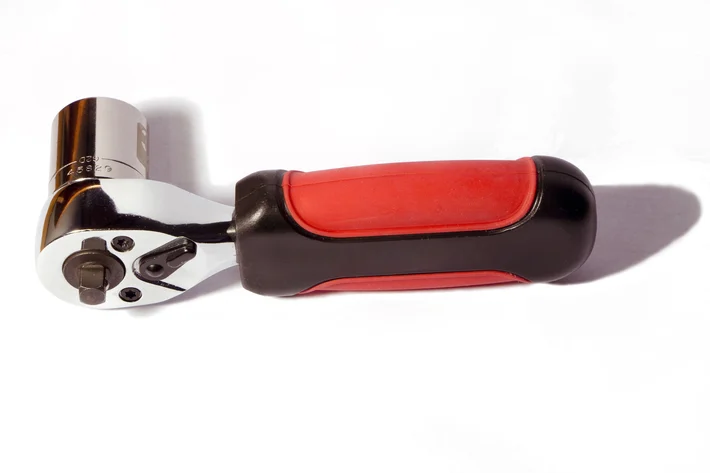
Automotive applications include over-molded components like handles, knobs, and gaskets.
These parts benefit from improved grip, reduced vibration, and weather resistance, contributing to overall vehicle performance and user satisfaction.
#4 Electrical Industry

In electrical devices, overmolding protects sensitive components from moisture and dust.
This added layer of protection extends the life of products such as connectors and housings, enhancing reliability in challenging environments.
#5 Beauty Industry
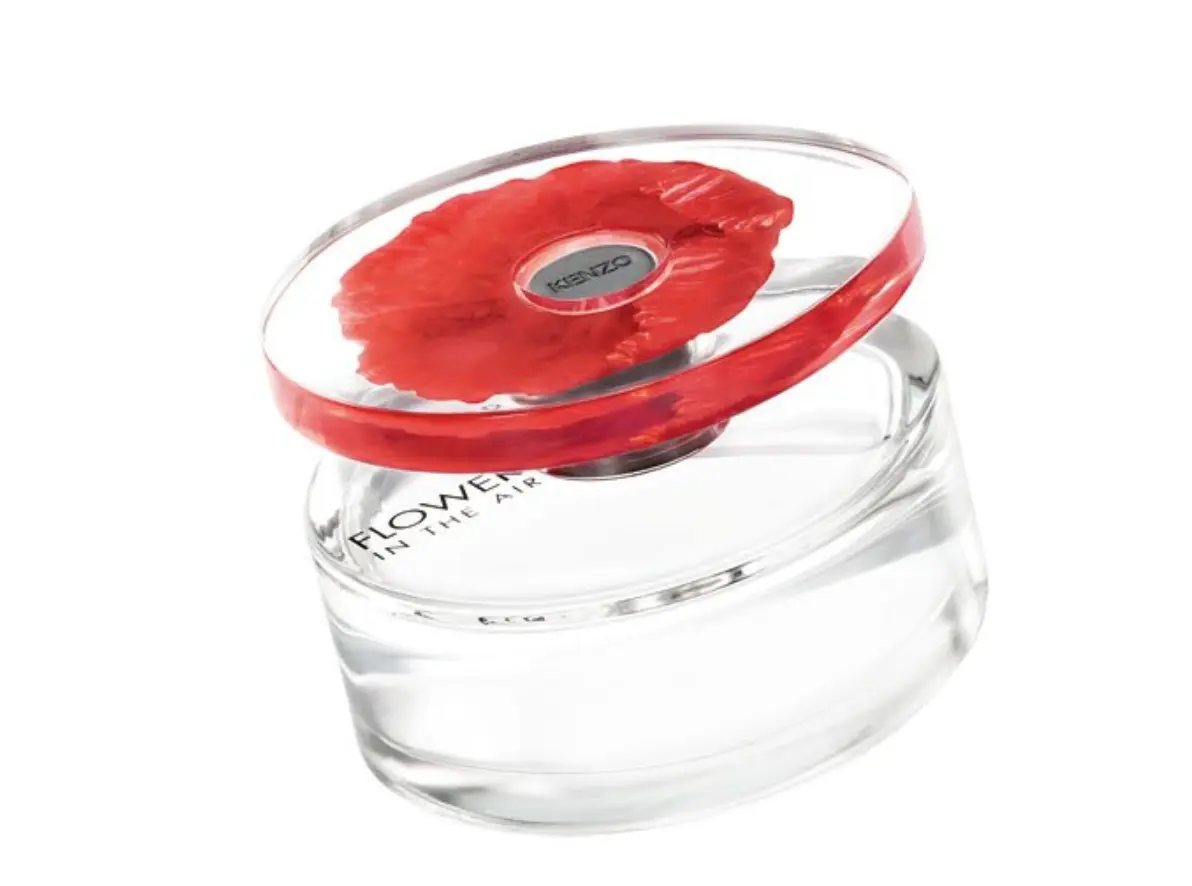
Overmolding is used in beauty products like cosmetic applicators and hair tools.
The ergonomic designs not only improve user comfort but also allow for vibrant color combinations that attract consumers.
Challenges and Considerations in Overmolding

When implementing overmolding, it’s crucial to ensure material compatibility to achieve a strong bond.
Design considerations, such as part geometry, also play a significant role.
Additionally, production challenges, including mold complexity and cycle times, can impact efficiency and cost, requiring careful planning to mitigate potential issues.
Overmolding vs. Insert Molding

Overmolding involves adding a layer of material, usually soft, over a rigid substrate to enhance functionality and aesthetics.
In contrast, insert molding integrates pre-placed components (like metal inserts) into the molded part, creating a strong bond.
While both processes improve product durability and reduce assembly, their applications differ based on the design needs.
When to Choose One Over the Other
Choose overmolding when you need an enhanced grip, comfort, or aesthetic appeal.
Opting for insert molding when integrating structural components or fasteners is essential.
The decision largely depends on the part’s intended function and design complexity, so assess your project requirements carefully.
Comparison of Overmolding and Insert Molding
Conclusion

In summary, overmolding is a valuable manufacturing process that enhances product performance, aesthetics, and functionality by combining materials.
Its versatility makes it ideal for various applications, from consumer goods to medical devices, ensuring products meet user needs effectively.
Ready to take your product design to the next level?
Explore how overmolding can benefit your projects today, and contact us for expert guidance and solutions!


 English
 Arabic
 German
 Spanish
 French
 Italian
 Javanese
 Korean
 Portuguese
 Russian
 Hindi
 Chinese
