


In the world of manufacturing, over-molding and 2K injection molding stand as innovative processes that enhance product design and functionality. Through these techniques, manufacturers can seamlessly integrate multiple materials into a single component, offering superior ergonomics, aesthetic appeal, and durability. This article delves into the processes, advantages, and applications of over-molding and 2K injection molding, along with a comparative analysis of 1K to 4K methods.
What will you learn?
You will gain insights into choosing the right process for their production needs, overcoming technical challenges, and optimizing material selection for product excellence.
What is Over-molding?

Over-molding stands out as a top choice in manufacturing for its efficiency and reliability. This process seamlessly merges multiple components into a unified item.
By doing so, it crafts single-piece products with high user satisfaction. It is celebrated for its ability to enhance product design and functionality.
#1 Process:
Overmolding revolutionizes manufacturing by merging materials for improved design and function, setting new standards in product quality and performance.
- Design Phase: Utilizes CAD/3D models to plan the product, focusing on material compatibility and aesthetic design, considering factors like material thickness and compression properties.
- Pre-Molding: Involves creating a preformed insert using materials akin to the secondary Material through methods like injection molding.
- Material Selection: Prioritizes materials (e.g., HDPE, TPE) based on their bonding abilities, compression characteristics, and temperature resilience to enhance product durability and performance.
- Overmolding Execution: This entails inserting the pre-molded base into the mold and injecting the overmold Material under high pressure for solid adhesion.
- Cooling and Ejection: Controlled cooling is adopted to maintain dimensions, followed by either manual or automated part ejection, with post-processing (sanding, trimming) to refine aesthetics and functionality.
The over-molding process showcases precision and innovation, delivering products that surpass expectations in design and usability.
#2 Advantages:
Overmolding stands as a transformative manufacturing approach, offering both ergonomic and aesthetic enhancements to a variety of products.
- Overmolding eliminates the need for screws and glue, simplifying production. This approach cuts assembly and part costs by automating assembly processes.
- It enhances product ergonomics, offering a better user experience with comfortable grips.
- Design flexibility increases, allowing for complex shapes without assembly constraints.
- Overmolding improves quality and performance, enabling waterproof electronics and isolated connectors.
- Conclusively, overmolding not only streamlines production processes but also significantly elevates product quality, merging functionality with design seamlessly.
What is 2k Injection Molding?

2K injection molding is a cutting-edge process that creates complex parts by using two distinct materials. This method enhances both the functionality and appearance of plastic components.
It allows for the addition of multi-color designs and intricate patterns, elevating product aesthetics and practicality.
#1 Process:
2K injection molding represents a leap in manufacturing technology, enabling the creation of dual-material products with enhanced features, precision, and efficiency.
Initial Material Preparation: Materials are loaded into two heaters, becoming viscous for molding. The first Material is injected into an open mold cavity while the second waits.
- First Transfer: A robotic system moves the newly molded part from the first to the second mold, preparing for the next material injection.
- Second Injection: With the first mold empty, the second material is injected, ensuring product consistency.
- Final Transfer and Production Cycle: The process repeats, with robotic arms efficiently transferring parts between molds until the production goal is reached.
This sophisticated process exemplifies innovation in manufacturing, delivering high-quality, complex products with streamlined efficiency and consistency, setting new industry standards.
#2 Advantages:
2K injection molding revolutionizes product manufacturing with its unique benefits:
- It introduces unmatched design freedom by combining two materials in one component, broadening design possibilities.
- This method slashes assembly costs, removing the need for additional bonding or fastening steps and streamlining production.
- Efficiency skyrockets as it merges multiple functions into a single part, reducing the component count.
- Enhanced material bonding boosts the final product’s strength and longevity.
- Offers a wider material selection, catering to diverse product needs and specifications.
- Achieves superior surface finishes and consistent quality, surpassing traditional methods.
- Enables the crafting of intricate geometric shapes, expanding creative limits.
- Delivers exceptional dimensional accuracy, ensuring precise product specifications are met.
This approach not only optimizes manufacturing processes but also elevates product quality and innovation.
What are the applications of over-molding and 2k injection molding?
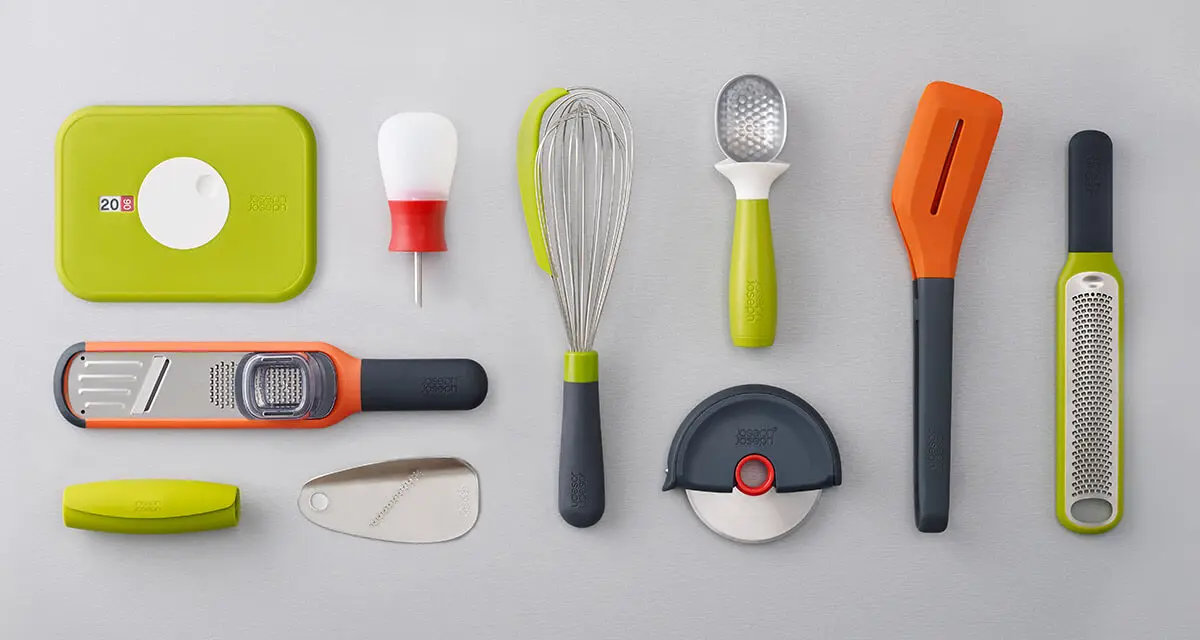
#1 Over-molding Applications:
Over-molding finds its application across various industries, enhancing product utility and safety:
- Hardware Tools: Tools like screwdrivers and hammers gain ergonomic grips through over-molding, making them safer and easier to use for tasks ranging from automotive repair to home improvement.
- Surgical Devices: In the medical field, over-molding ensures that surgical tools such as syringes and catheters are not only safe but also easy to handle and clean, minimizing contamination risks.
- Household Items: Daily use items, including toothbrushes and kitchen utensils, benefit from over-molding by becoming more accessible to clean and use, enhancing user experience and product longevity.
- Car Trims: Overmolding contributes to both the aesthetic appeal and functional benefits of car trims, offering customization in colors and materials that can reduce vehicle weight.
- Cookware: For cookware over-molding is crucial for manufacturing components like spatula handles and pot covers, ensuring food safety and improving handling.
These examples showcase overmolding’s versatility in improving product design, safety, and functionality across diverse applications.
#2 Two-Shot Injection Molding Applications:
2K injection molding stands as a transformative technique across multiple sectors:
- Automotive: This method is integral for manufacturing interior components, merging various materials and colors to achieve both strength and aesthetic appeal.
- Medical Devices: Essential for crafting devices that are not only functional but also pleasing to the eye, it enhances the healthcare experience.
- Tools and Toys: Allows for the creation of durable yet attractive items through innovative material combinations.
- Consumer Electronics: Facilitates the production of electronics that are ergonomically sound and visually appealing, with enhanced durability and tactile feedback.
This innovative approach redefines product design, blending functionality, beauty, and resilience in diverse industry applications.
What Are the Differences Between Overmolding and 2K Molding?
When choosing between overmolding and 2K molding for your project, it’s essential to understand their key differences. These processes may seem similar but serve different purposes and involve distinct techniques.
#1 Number of Materials Used
Overmolding and 2K molding differ in the number of materials they use. Overmolding typically involves two or more materials, allowing for more complex designs.
On the other hand, 2K molding is designed to use exactly two materials, making it ideal for combining different textures or colors in one product.
#2 Process Sequence
The sequence of operations varies between the two methods. Overmolding starts with a base layer, or substrate, which is typically made from a material with a higher melting point, like PC/ABS or Nylon. The second material is then molded over this layer.
In contrast, 2K molding injects both materials in a single process, which speeds up production and is more efficient for simpler, dual-material products.
#3 Purposes
The purpose behind using these methods also sets them apart. Overmolding is often chosen for adding functionality, such as creating ergonomic grips or adding soft-touch surfaces to handles.
It’s commonly used in products like tools, medical devices, and personal care items.
2K molding, however, is mainly used for aesthetic reasons, such as combining two colors or different textures in a single part, making it popular for consumer electronics, automotive parts, and handheld devices.
#4 Machinery or Equipment
Different machinery is required for each process. Overmolding requires specialized equipment like vertical or rotary table machines to handle the multiple stages of molding.
In contrast, 2K molding machines are designed to efficiently handle the two-material injection process in one cycle, making them ideal for high-volume production of dual-material products.
Understanding these differences can help you choose the right molding process for your project, ensuring that your product meets both functional and aesthetic requirements.
How to Choose Between 2K Molding and Overmolding
Choosing the right molding process for your project is crucial for achieving the desired results. Both 2K molding and over-molding offer unique benefits, but they are suited to different applications.
Here’s a guide to help you decide which method is best for your needs.
When to Choose 2K Molding:
- High-Volume Production: If your project involves large-scale production, 2K molding is cost-effective due to its efficient use of a single molding cycle.
- Complex Designs: This method is perfect for products that need intricate designs or multiple materials to be injected in one seamless process.
- Enhanced Durability: Choose 2K molding if your product requires a strong bond between two different materials, resulting in a durable final part.
When to Choose Overmolding:
- Functional Enhancements: If your product needs added features like ergonomic grips, shock absorption, or insulation, over-molding is the ideal choice.
- Low to Mid-Volume Production: Overmolding is more cost-effective for smaller production runs, especially when using standard injection molding machines.
- Material Versatility: If you need to combine different materials or finishes, over-molding offers greater flexibility.
Making the Right Choice
The choice between 2K molding and over-molding depends on your specific project needs. If you require high-volume production with complex designs, 2K molding is likely the better option.
For products that need functional enhancements or are produced in smaller quantities, over-molding offers the flexibility and precision you need.
Comparative Analysis: 1K, 2K, 3K, and 4K Injection Molding:
| Injection Molding Type | Number of Materials Used | Applications | Advantages |
|---|---|---|---|
| 1K Injection Molding | Single Material | Containers, toy parts, uniform components | Cost-effective, simple process, consistent properties |
| 2K Injection Molding | Two Materials | Power tool handles, automotive dashboards | Combines different textures/colors, enhances functionality and aesthetics |
| 3K Injection Molding | Three Materials | Advanced electronics, medical devices | Allows for complex designs with added functionality like waterproofing and impact resistance |
| 4K Injection Molding | Four Materials | Intricate multi-functional devices | Maximum customization integrates diverse properties suited for specialized applications. |
These techniques offer versatile solutions to manufacturing challenges, scaling from simple to complex material integrations.
a. 1K Injection Molding:
This is the foundational method, employing a single type of plastic. It’s efficient for mass-producing uniform components like containers and toy parts.
The simplicity of 1K molding makes it cost-effective and suitable for a wide array of products needing consistent material properties.
b. 2K Injection Molding
Incorporating two different plastics, 2K molding allows for the production of parts with varied textures or colors in a single manufacturing cycle.
Ideal for creating products like power tool handles or automotive dashboard components, it enhances functionality and aesthetic appeal without the need for assembly.
c. 3K Injection Molding
Expanding to three materials, 3K molding enables more complex product designs. This technique is used in applications requiring a combination of hard and soft plastics alongside additional functionality, such as waterproofing or impact resistance.
It’s common in advanced consumer electronics and medical devices.
d. 4K Injection Molding
The most complex, 4K molding integrates four distinct materials. This process is reserved for highly specialized applications demanding the utmost in precision and material variety, like intricate multi-functional devices.
Though challenging and expensive, it offers unparalleled customization and property integration within a single part.
Advancing from 1K to 4K injection molding enables unparalleled product customization, meeting diverse functional and aesthetic demands in modern manufacturing.
Conclusion:
In conclusion, over-molding and 2K injection molding are pivotal techniques in modern manufacturing, offering unparalleled design flexibility, improved product functionality, and enhanced aesthetic appeal.
These processes, along with the comparative analysis of 1K to 4K molding methods, underscore the importance of selecting the right approach based on product requirements, material compatibility, and production challenges.
HiTop Injection Molding Services excels in these areas, providing expert guidance and execution in over-molding and multi-material injection molding projects.
Their expertise ensures high-quality, innovative solutions tailored to meet the unique needs of each product, solidifying their position as a leader in the injection molding industry.
Contact us if you are looking for injection molding services in China.
Related Articles
- Medical Injection Molding: Precision in Healthcare
- Liquid Silicone Rubber Injection Molding: A Detailed Guide
- Mastering Injection Molding Tolerances: Key Insights
- Reaction Injection Molding: Process, Benefits and Uses
- Injection Molding Defects and Their Solutions
- Aluminum Injection Molding: Cost, Benefits, and Design
- ABS Injection Molding: Key Benefits, Process
- Ultimate Guide to HDPE Injection Molding
- 10 Common Plastic Resins for Injection Molding
- Injection Molding vs. Compression Molding
- Understanding 2K Injection Molding: Process
- Ultimate Guide to Overmolding: Techniques


 English
 Arabic
 German
 Spanish
 French
 Italian
 Javanese
 Korean
 Portuguese
 Russian
 Hindi
 Chinese
