

When navigating the world of thermoplastics, two materials often come to the forefront: ABS (Acrylonitrile Butadiene Styrene) and PS (Polystyrene).
Each of these plastics has unique properties that make them suitable for a variety of applications, from consumer goods to industrial products.

Understanding the differences between ABS and PS is crucial for manufacturers and designers.
Selecting the right material can significantly impact product performance, durability, and cost.
In this article, we will explore their characteristics, applications, and the factors to consider when choosing between them.
Whether you’re designing a new product or looking to optimize existing ones, knowing these materials inside and out will help you make informed decisions.
Chemical Composition
ABS (Acrylonitrile Butadiene Styrene)

ABS is a terpolymer formed from three distinct monomers: acrylonitrile, butadiene, and styrene.
Each monomer contributes specific properties to the final material:
- Acrylonitrile: This component imparts high strength, thermal stability, and chemical resistance. It enhances the overall durability of ABS, making it suitable for demanding applications.
- Butadiene: Known for its toughness and impact resistance, butadiene gives ABS its ability to withstand shocks and stresses without breaking. This makes it ideal for products that require resilience.
- Styrene: This monomer is responsible for ease of processing and a high-quality finish. It helps to create a smooth surface and allows for vibrant coloration, making ABS visually appealing.
The combination of these three monomers results in a material with a complex morphology—ABS has a continuous phase of styrene-acrylonitrile and a dispersed phase of polybutadiene rubber.
This unique structure allows for various grades of ABS, each tailored for specific applications.
PS (Polystyrene)

Polystyrene, on the other hand, is a simpler polymer made from styrene monomers.
It exists in various forms, including general-purpose polystyrene (GPPS) and high-impact polystyrene (HIPS).
Key characteristics of PS include:
- Transparency: PS is often described as having a glass-like appearance, making it an excellent choice for applications where clarity is essential, such as lenses and packaging.
- Brittleness: Unlike ABS, PS is relatively rigid and can be prone to cracking under stress. This property limits its use in applications requiring high durability.
- Easy Coloring and Printing: PS can be easily colored and printed on, making it a popular choice for consumer products that require aesthetic appeal.
Overall, the chemical composition of these plastics directly influences their performance and suitability for various applications.
Understanding these differences is essential for selecting the right material for your project.
Physical Properties
ABS Characteristics

ABS is renowned for its remarkable toughness and impact resistance.
These qualities make it a preferred material for applications where durability is critical.
Whether it’s in automotive parts, electronic housings, or toys, ABS can withstand considerable stress without cracking or breaking.
Toughness: ABS is engineered to absorb energy upon impact, making it highly resilient in dynamic environments. This quality is crucial for products that experience frequent handling or environmental changes.
Impact Resistance: Its unique composition allows ABS to resist deformation and damage even under harsh conditions. This makes it ideal for items such as protective gear and consumer electronics.
Heat Resistance: ABS exhibits good heat deflection under load, maintaining its shape and strength in high-temperature environments. This makes it suitable for components that encounter heat, like automotive and appliance parts.
Versatility: The adaptability of ABS means it can be used across a wide range of manufacturing processes, including injection molding, CNC machining, and 3D printing. Its non-crystalline nature allows for easier processing, as it flows well during molding and can be easily machined into precise shapes.
PS Characteristics
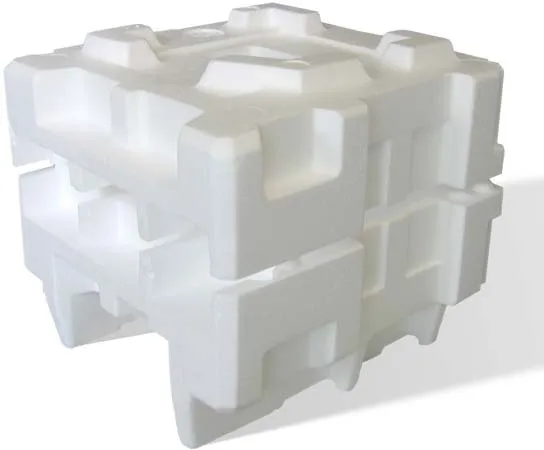
In contrast, polystyrene possesses distinct physical properties that define its use:
Rigidity: PS is inherently rigid, which makes it ideal for products that require structural integrity, such as packaging and disposable containers. Its firmness is beneficial in applications where shape retention is crucial.
Brittleness: One downside of polystyrene is its tendency to be brittle. Under stress, PS can crack or shatter, which limits its use in high-impact applications. This property is a significant consideration for designers when choosing materials.
Transparency: PS can achieve a high level of transparency, making it perfect for applications like light covers and display cases. Its aesthetic qualities allow for creative product designs.
Crystallinity: Polystyrene exhibits a more crystalline structure compared to ABS, which influences its thermal properties and overall stability. This crystallinity can lead to a more defined melting point, affecting how PS is processed and molded.
Comparison of Mechanical Properties
Tensile Strength and Flexibility

When it comes to tensile strength, ABS outshines polystyrene significantly. The tensile strength of ABS typically ranges around 6,000 psi, making it a robust option for applications requiring high strength.
In comparison, PS has a lower tensile strength of about 4,800 psi, which means it is not as strong under tension.
Impact Resistance: ABS is also more impact-resistant than PS, meaning it can endure sudden forces without failing. This makes it ideal for products like safety equipment and automotive components. On the other hand, while PS is suitable for less demanding applications, it tends to shatter or crack when subjected to high-impact forces, limiting its use in high-stress environments.
Flexibility: ABS demonstrates a degree of flexibility, allowing it to bend slightly without breaking. This characteristic is particularly useful in applications where some degree of movement is expected. In contrast, PS is more rigid, making it less suitable for applications where flexibility is required.
Thermal Properties

Thermal performance is another critical area where ABS and PS differ:
Heat Deflection: ABS boasts a heat deflection temperature of about 215°F, allowing it to maintain its shape under elevated temperatures. This feature is particularly advantageous for products used in high-heat environments, such as kitchen appliances and automotive parts.
Temperature Stability: In comparison, PS has a heat deflection temperature of around 203°F, which means it can also handle moderate heat but is more susceptible to warping or losing integrity at higher temperatures. This limitation makes it less ideal for applications involving significant thermal exposure.
Applications
Common Uses of ABS

ABS is a versatile thermoplastic known for its robust mechanical properties, making it suitable for a wide range of applications.
Here are some common uses:
Automotive Components: ABS is widely used in the automotive industry for parts like dashboards, interior panels, and bumpers due to its durability and impact resistance. Its ability to withstand various environmental conditions ensures that these components remain functional and aesthetically pleasing over time.
Consumer Electronics: Many consumer electronics housings, such as those for televisions, computers, and mobile devices, are made from ABS. Its excellent machinability allows for intricate designs while providing a strong protective shell.
Toys: ABS is popular in the toy industry, especially for building blocks and action figures, due to its bright colors and resistance to impact. This makes it safe and enjoyable for children.
Medical Devices: In the medical field, ABS is used for various applications, including surgical instruments and IV-system components, where strength and reliability are crucial. Its chemical resistance also makes it suitable for environments requiring sterilization.
Common Uses of PS
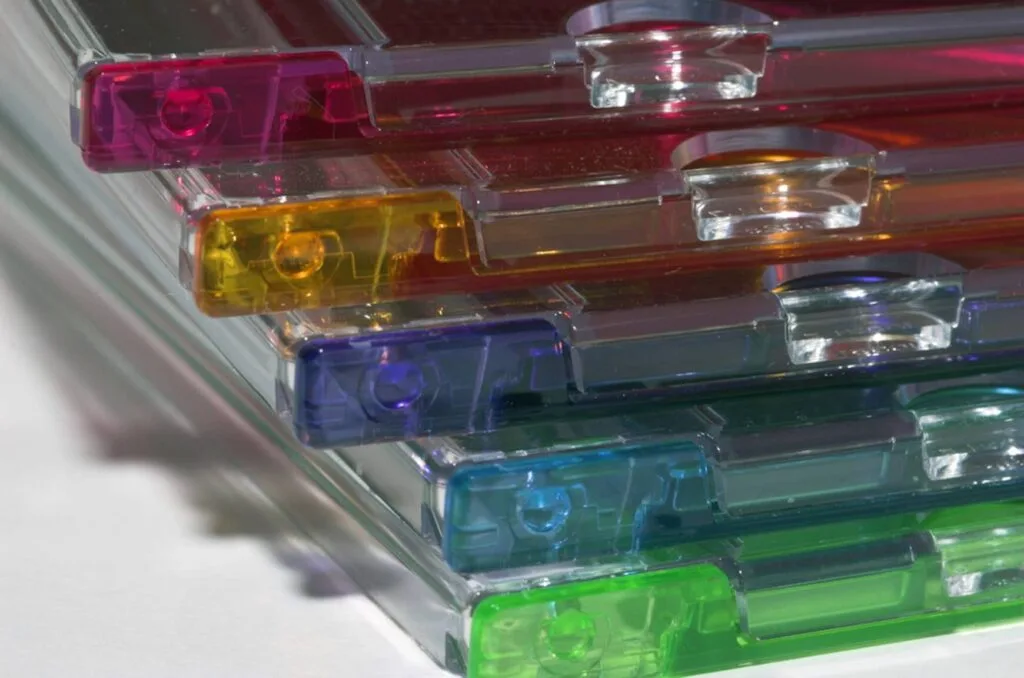
Polystyrene, while not as robust as ABS, finds its niche in several applications, primarily due to its lower cost and unique properties:
Packaging: PS is often used for packaging materials, such as clamshells and blister packs, which provide visibility and protection for products. Its lightweight nature makes it an efficient choice for shipping.
Disposable Products: Many disposable items, like cutlery, plates, and food containers, are made from PS. Its affordability and ease of production make it a popular choice for the food service industry.
Household Items: PS is commonly found in household products such as storage containers and kitchenware. Its lightweight and rigid characteristics ensure these items are both practical and durable.
Transparent Products: Due to its clarity, PS is used to manufacture clear products, such as display cases and light fixtures. This transparency allows for visibility while maintaining structural integrity.
Manufacturing Techniques
Injection Molding

Injection molding is a widely used manufacturing process for producing parts by injecting molten material into a mold.
Both ABS and PS are excellent candidates for this technique, but they exhibit distinct characteristics:
ABS: Known for its toughness and impact resistance, ABS performs exceptionally well in injection molding. Its ability to flow easily into complex mold designs allows manufacturers to create intricate parts with precise tolerances. The high heat resistance of ABS also means that molded components can withstand various operational conditions, making it a preferred choice for durable applications, such as automotive and electronic components.
PS: While PS can be injected molded effectively, it is generally used for simpler shapes due to its brittleness. PS parts may not endure significant impacts as well as ABS parts, but its lower cost makes it a viable option for high-volume production of items like packaging and disposable products. The smooth finish of PS allows for appealing aesthetics, which is beneficial for consumer-facing applications.
3D Printing

3D printing has revolutionized the way products are designed and manufactured, offering flexibility and rapid prototyping capabilities.
When it comes to ABS and PS, their compatibility with 3D printing technologies varies:
ABS: This material is highly compatible with various 3D printing technologies, particularly Fused Deposition Modeling (FDM). ABS is favored in the 3D printing community for its strength, durability, and ability to be easily machined post-printing. However, a heated print bed is required to minimize warping during the cooling process. Its favorable properties make it ideal for creating functional prototypes and end-use parts, especially in industries that require high-performance materials.
PS: While PS can be used in 3D printing, it is less common than ABS. Polystyrene is primarily utilized in specific 3D printing processes like Stereolithography (SLA) or for creating models that do not require high mechanical strength. The primary advantage of PS in 3D printing is its ability to produce detailed, intricate designs with a smooth finish, but its applications are limited compared to ABS, particularly for functional parts.
Cost Comparison

When it comes to selecting materials for manufacturing, cost is a crucial factor that can significantly influence the decision-making process.
Understanding the financial implications of using ABS versus PS can help manufacturers optimize their production budgets and enhance profitability.
Cost Implications of Using ABS vs. PS
ABS: Typically, ABS is more expensive than PS due to its superior mechanical properties and versatility. The cost of raw ABS material can vary depending on the specific grade and supplier, but on average, it is considered a mid-range thermoplastic. However, the initial investment may be justified by its long-term benefits. ABS’s durability and impact resistance often result in lower replacement and maintenance costs in the final product’s lifecycle. Therefore, while the upfront material cost might be higher, the overall value can be more favorable in applications where performance is critical.
PS: Polystyrene is generally one of the more economical plastics available. Its lower raw material cost makes it an attractive option for high-volume production runs, especially in industries where cost-effectiveness is paramount, such as packaging and disposable products. However, the trade-off comes in the form of reduced mechanical strength and impact resistance compared to ABS. In scenarios where cost is the primary concern, PS can be an excellent choice, particularly for products that do not require high performance.
Factors Influencing Overall Cost

Several factors can influence the overall cost of using ABS and PS in production:
Material Availability: The market demand and availability of specific grades of ABS and PS can affect pricing. Fluctuations in the price of raw materials, such as petrochemicals, can also impact costs.
Processing Techniques: The manufacturing process used can influence costs significantly. ABS generally requires more careful handling during processes like injection molding or 3D printing due to its thermal properties, potentially leading to higher operational costs. In contrast, PS may allow for faster and less expensive processing.
Volume of Production: Economies of scale play a significant role in material costs. Larger production volumes can lead to cost savings, particularly for PS, due to its lower raw material cost and efficient manufacturing processes.
Quality Requirements: If the end product requires specific mechanical properties, choosing ABS might incur higher costs but ultimately result in a more reliable product. For applications where strength is not a concern, opting for PS can provide significant cost savings.
Lifecycle Costs: It’s essential to consider not just the initial material cost but also the lifecycle costs of the product. Products made from ABS may have a longer lifespan and lower maintenance needs, which can justify the higher upfront costs.
FAQs
Conclusion

In summary, both ABS and PS have unique properties that cater to different manufacturing needs.
ABS is favored for its toughness and versatility, while PS excels in cost-effectiveness and transparency.
Understanding these differences can help in making informed material selections for various applications.
If you’re considering a project that requires either ABS or PS, feel free to reach out for expert advice!
Our team is ready to assist you in selecting the right material for your needs, ensuring optimal performance and cost efficiency.


 English
 Arabic
 German
 Spanish
 French
 Italian
 Javanese
 Korean
 Portuguese
 Russian
 Hindi
 Chinese
