


Metal Injection Molding (MIM) is a process that combines the precision of plastic injection molding with the strength of powdered metal to create complex, small parts.
It’s an ideal method for producing high-volume components with intricate designs and excellent mechanical properties.
MIM excels in modern manufacturing because it allows for the cost-effective production of detailed parts that are challenging to create with traditional methods.
This makes it perfect for industries like medical, automotive, and electronics where precision and complexity are key.
The Metal Injection Molding Process

Step 1: Compounding (Feedstock Preparation)
The MIM process begins by blending fine metal powders with polymer binders, which typically include wax, plasticizers, and lubricants.
This mixture is crucial as the binders help carry the metal powders into the mold.
Once combined, the mixture is granulated into feedstock pellets, which are ready for the injection molding machine.
Step 2: Injection Molding (Green Part Creation)
In this step, the feedstock is injected into a mold at high pressure.
The mold is designed to be slightly larger to account for the shrinkage that will occur later.
The resulting part, known as the “green part,” is a solid form but still contains the binders that will be removed in the next stage.
Step 3: Binder Removal (Debinding)
During debinding, the binders are carefully removed using solvents, heat, or catalytic processes.
This step leaves the part with a porous structure, known as the “brown part.”
The controlled removal ensures the part retains its shape while making it ready for sintering.
Step 4: Sintering
Sintering is the final step, where the brown part is heated in a furnace to densify the metal.
The particles fuse together, transforming the part into solid metal.
High-density sintering—up to 99% density—ensures strong, durable components.
Shrinkage is accounted for in the mold design, so the final part meets precise specifications.
Materials Used in MIM
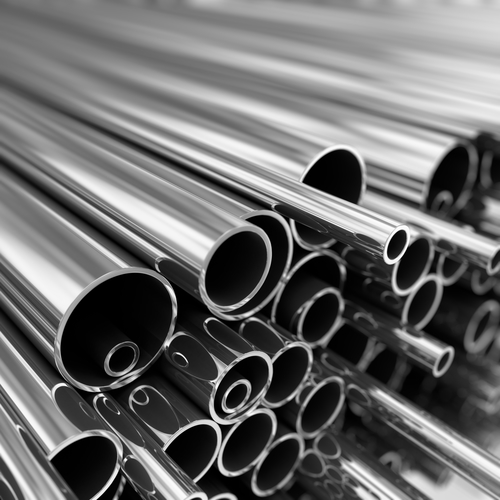
Metal Injection Molding (MIM) offers flexibility in material selection, allowing manufacturers to choose metals that best suit their application.
Each material brings unique properties, from corrosion resistance to high strength and wear resistance.
Below is a comparison of common materials used in MIM and their typical applications.
Key Advantages of MIM

#1 Complex Geometries
One of the standout benefits of Metal Injection Molding (MIM) is its ability to produce intricate, complex parts that would be challenging or expensive to create using traditional methods.
Whether it’s small parts with detailed features or components with thin walls, MIM handles complex shapes with ease.
#2 High Volume Efficiency
MIM is highly cost-effective when it comes to large production runs.
Once the molds are prepared, manufacturers can produce thousands of parts efficiently, making MIM ideal for industries that require high-volume manufacturing of small, detailed components.
#3 Minimal Waste
A major advantage of MIM is its ability to reduce material waste.
This is particularly important when working with expensive alloys like titanium or cobalt-chrome.
MIM uses nearly all of the feedstock material, minimizing excess waste and keeping production costs down.
#4 Design Flexibility
MIM offers design freedom that other manufacturing methods can’t match.
Features like internal/external threads, detailed surface textures, and engravings can be easily incorporated without extra cost or time, making it perfect for complex designs.
#5 Mechanical Properties
MIM parts boast impressive mechanical properties, often matching or exceeding the strength and density of wrought metals.
With high density (up to 99%), MIM parts are durable, strong, and ready to perform in demanding applications.
Applications of Metal Injection Molding
#1 Medical and Dental

In the medical and dental fields, MIM is used to create highly precise parts like surgical instruments, dental braces, and implants made from biocompatible materials such as titanium alloys.
These components require both intricate designs and high strength, making MIM an ideal choice.
#2 Automotive and Aerospace

MIM excels in producing small yet critical components for automotive and aerospace industries.
Parts like gear systems, engine components, and electrical connectors benefit from the strength and precision MIM provides, ensuring reliable performance in demanding environments.
#3 Consumer Electronics

From watch cases to mobile phone components and laptop hinges, MIM is frequently used in consumer electronics.
The process allows manufacturers to produce tiny, intricate parts that are essential for high-tech devices, maintaining both durability and aesthetic appeal.
#4 Defense and Firearms

In the defense sector, MIM is widely used to produce fire control components, triggers, and ejectors.
These parts require precise engineering and high reliability, making MIM a trusted method for manufacturing in this field.
#5 Industrial Equipment

MIM is also employed in the production of gears, machinery components, and robotics sensors.
The process allows for the creation of durable parts with complex geometries that perform reliably in industrial settings.
MIM vs. Traditional Manufacturing Methods
When choosing the right manufacturing method, it’s essential to consider the specific needs of your project.
Here’s a comparison of Metal Injection Molding (MIM) with CNC machining, die casting, and 3D printing across key aspects to help you make the best decision:
Limitations of MIM

While Metal Injection Molding (MIM) offers numerous advantages, there are some limitations to keep in mind:
Initial Costs
MIM requires a significant upfront investment in tooling and molds.
The setup costs can be high, especially for complex designs, which makes MIM more cost-effective for large-scale production rather than smaller projects.
Part Size Limitations
MIM is best suited for smaller parts, typically under 20 cm in size.
For larger components, other methods like die casting or CNC machining may be more suitable due to the challenges of maintaining precision and efficiency with bigger parts.
High-Volume Requirement
MIM is most efficient for high-volume production runs.
For low-volume manufacturing, the initial setup and tooling costs may not justify the investment, making it less economical compared to other methods like 3D printing or CNC machining.
Post-Processing and Finishing Options

After the MIM process, parts can undergo various finishing techniques to meet specific requirements.
Common post-processing steps include machining, which refines dimensions for tighter tolerances, and heat treatments that improve mechanical properties like strength and hardness.
Additionally, parts can be plated or coated to enhance corrosion resistance or add a decorative finish.
These post-sintering processes further enhance the mechanical properties of MIM parts, ensuring they meet high-performance standards in demanding applications like medical devices and aerospace components.
Environmental and Efficiency Benefits of MIM
One of the key advantages of Metal Injection Molding (MIM) is its lower material wastage compared to traditional manufacturing methods like CNC machining.
MIM uses nearly all the material in the feedstock, making it highly efficient, especially when working with expensive alloys.
However, it’s important to note that older MIM equipment may have had some environmental impacts, such as emissions from burning off binders like wax.
Fortunately, newer technologies have greatly mitigated these issues, using cleaner processes that reduce harmful emissions and make MIM a more environmentally friendly option overall.
FAQs About Metal Injection Molding (MIM)
Conclusion

Metal Injection Molding (MIM) is a powerful manufacturing process that combines precision, efficiency, and flexibility.
Its ability to produce small, complex parts with high mechanical properties makes it invaluable for industries ranging from medical to aerospace and consumer electronics.
If you’re looking for a reliable partner to meet your high-volume production needs, HITOP Industrial is here to help.
Contact us today to learn how our MIM expertise can bring your complex designs to life efficiently and cost-effectively.


 English
 Arabic
 German
 Spanish
 French
 Italian
 Javanese
 Korean
 Portuguese
 Russian
 Hindi
 Chinese
