

When it comes to manufacturing high-quality plastic parts, injection molding and urethane casting are two of the most widely used methods.
Each technique offers distinct benefits tailored to different production needs, making them essential in industries from automotive to consumer goods.
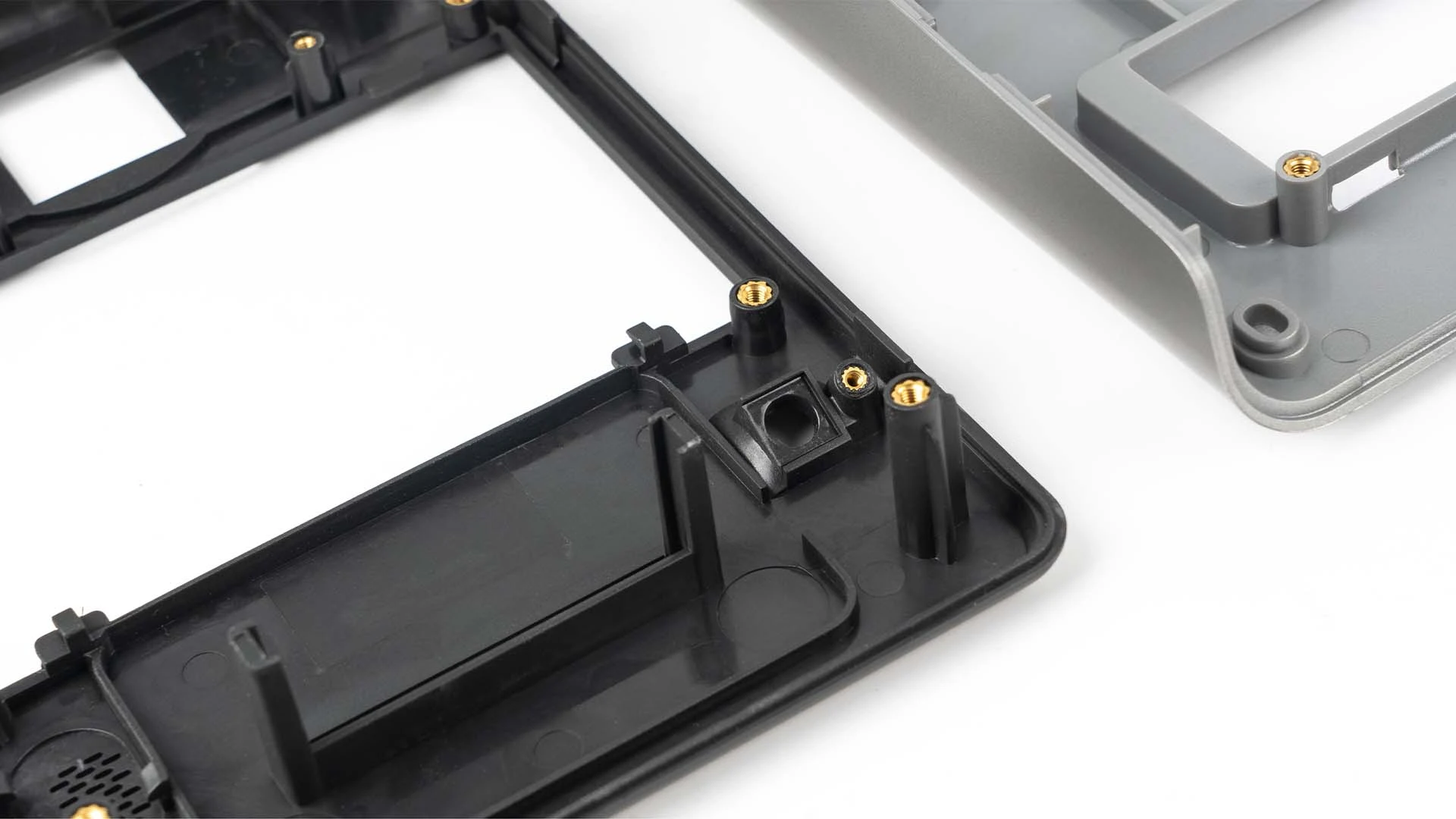
Understanding the differences between injection molding and urethane casting is key to choosing the right approach for your project.
The choice often depends on factors like production volume, budget, timeline, and specific material needs.
By comparing these processes, you’ll gain valuable insights into which one aligns best with your product goals, ensuring a more efficient, cost-effective production.
What is Injection Molding?
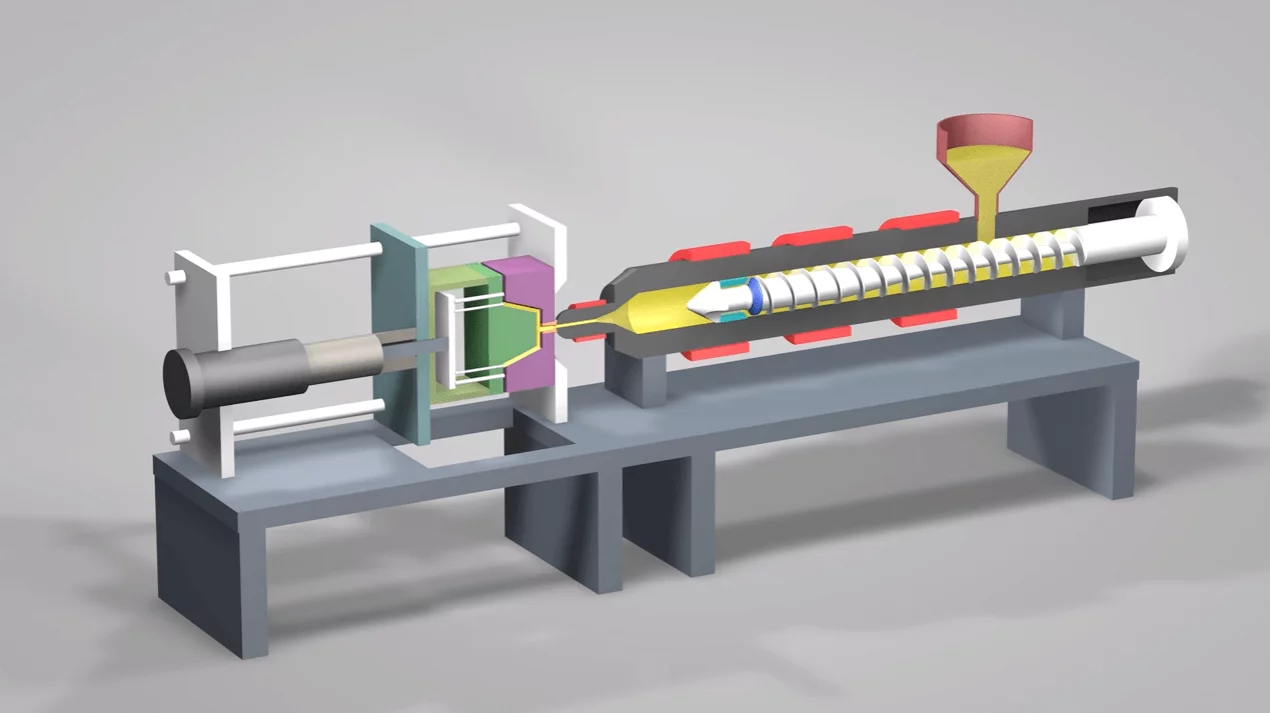
Injection molding is a manufacturing process where molten plastic is injected at high pressure into a precisely designed metal mold, typically made of steel or aluminum.
Once the plastic fills the mold cavity, it cools and solidifies, adopting the exact shape of the mold.
After the part hardens, it is ejected, and the mold is ready to produce the next item, making this method ideal for high-speed, repeatable production.
Key Features
Injection molding supports a vast range of materials, including thermoplastics like ABS, polycarbonate, and nylon.
These materials offer different properties, from flexibility to impact resistance, catering to diverse application needs.
The process is highly efficient for large-scale production, as durable metal molds can produce thousands to millions of parts before requiring replacement or significant maintenance.
Typical Applications

Thanks to its precision and efficiency, injection molding is widely used in industries that demand high volumes and tight tolerances.
Common applications include automotive parts (like dashboard components), electronics (such as phone cases), and medical devices (like syringe parts), where quality and consistency are essential.
What is Urethane Casting?

Urethane casting is a versatile manufacturing process that uses a silicone mold to produce parts with liquid urethane resin.
The process begins with creating a master pattern, typically through 3D printing or CNC machining, which is then used to form a silicone mold.
Once the mold is ready, liquid urethane is poured into it and allowed to cure at room temperature or in a heated chamber.
After curing, the part is removed, and the mold can be reused for multiple casts, though its lifespan is shorter than that of metal molds in injection molding.
Key Features
Urethane casting offers flexibility in terms of design and material, allowing for intricate details and varied shapes.
This process is cost-effective for low-volume production because silicone molds are less expensive than metal molds.
The lower tooling cost and quicker setup make urethane casting an ideal choice for prototyping, custom parts, or small production runs where precision is important but mass production isn’t needed.
Typical Applications

Urethane casting is frequently used in rapid prototyping, enabling designers to create and test models quickly and affordably.
It’s also a popular choice for custom parts, low-volume production, and industries that require short-run manufacturing with a focus on flexibility, such as consumer goods and certain electronics parts.
Detailed Comparison: Injection Molding vs. Urethane Casting
Tooling and Mold Materials
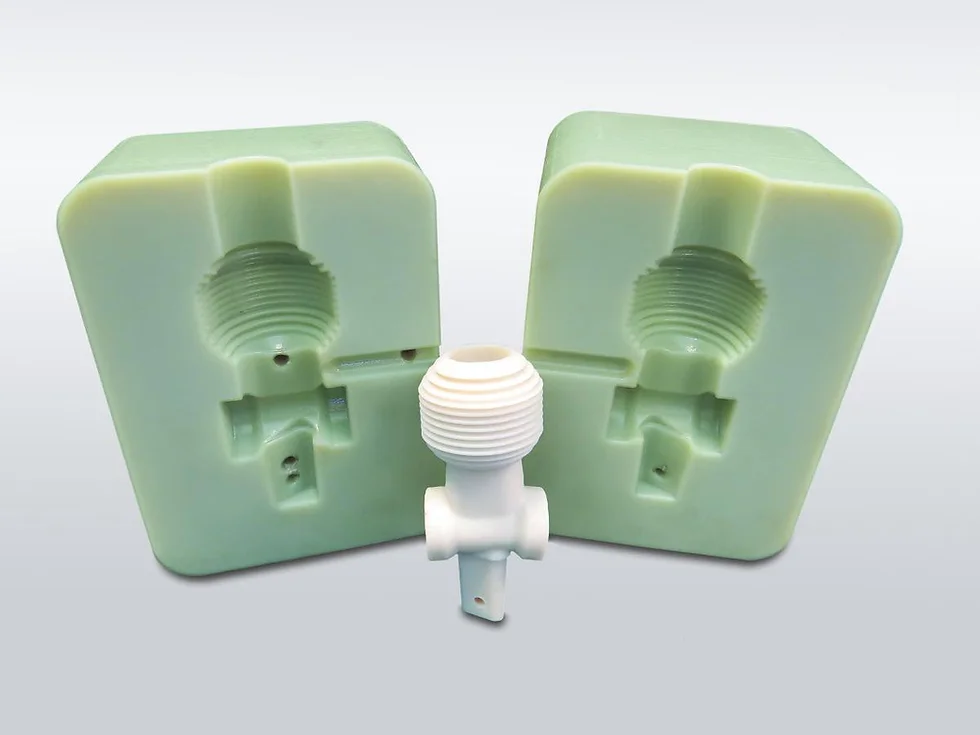
- Injection Molding: Uses durable metal molds, usually made from steel or aluminum, designed to withstand high-pressure injection and deliver precise parts repeatedly. This makes injection molding a top choice for long production runs where the initial cost of tooling can be distributed over a large volume.
- Urethane Casting: Relies on silicone molds that are more affordable and easier to create but have a limited lifespan. Silicone molds are ideal for shorter production runs but wear out more quickly, making them better suited to low-volume production or prototyping.
Material Selection and Properties

- Injection Molding: Works well with a broad selection of thermoplastics, offering choices like ABS, polycarbonate, and polyethylene, which provide a wide range of mechanical and chemical properties. This makes it ideal for applications where specific performance attributes are required.
- Urethane Casting: Primarily uses polyurethanes, which offer versatility in properties but generally have lower resistance to heat and chemicals than thermoplastics used in injection molding. Polyurethanes are adaptable but may not be ideal for parts requiring extreme durability.
Production Volume
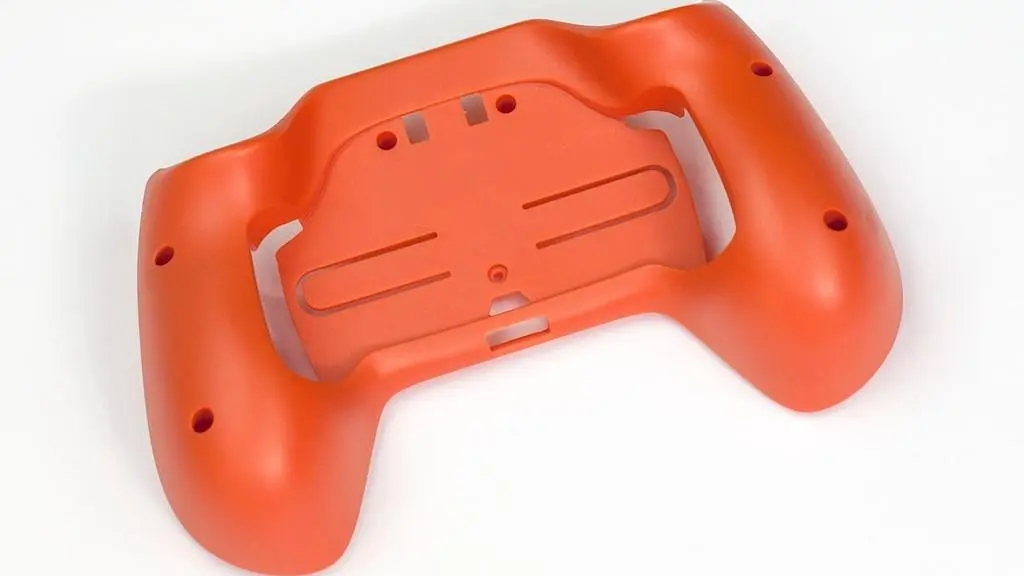
- Injection Molding: Optimized for high-volume production. Once the mold is created, the process can rapidly produce thousands or millions of parts, making it a cost-effective option for large-scale manufacturing.
- Urethane Casting: Best for low-to-medium volume production. With silicone molds that are quick to create, urethane casting is a practical choice for short runs of up to hundreds of parts, or when changes and iterations are expected.
Lead Times

- Injection Molding: Requires longer lead times due to the time needed for machining metal molds. Depending on the mold’s complexity, it can take several weeks to months to begin production.
- Urethane Casting: Known for faster setup due to simpler mold creation. This method is highly beneficial for rapid prototyping and urgent projects, with lead times typically as short as a week.
Tolerances and Precision

- Injection Molding: Capable of achieving tight tolerances of ±0.005 inches, making it suitable for applications demanding high precision and consistency, like medical devices or automotive parts.
- Urethane Casting: Allows for good tolerances of around ±0.010 inches, which is adequate for prototypes and certain end-use applications. However, it does not match the precision possible with injection molding.
Wall Thickness and Design Flexibility

- Injection Molding: Offers excellent control over wall thickness, making it suitable for consistent, uniform parts. It also has limitations with undercuts and complex shapes, often requiring complex tooling adjustments.
- Urethane Casting: More flexible in handling undercuts, variable wall thickness, and intricate shapes thanks to the flexibility of silicone molds, allowing greater freedom in complex designs.
Cost Analysis
Tooling Costs:
- Injection Molding: Higher initial tooling costs due to metal mold creation. These costs are justified in high-volume production, where the expense is spread over a large number of parts.
- Urethane Casting: Lower tooling costs since silicone molds are more affordable to produce, making this method cost-effective for prototypes and small production runs.
Per-Part Cost:
- Injection Molding: Cost per part decreases significantly as production volume rises, making it the preferred choice for high-volume, long-term manufacturing.
- Urethane Casting: More cost-effective for small runs, where low tooling investment and flexibility outweigh the slightly higher per-part costs. Ideal for limited production needs.
Similarities Between Injection Molding and Urethane Casting
Use of Molds
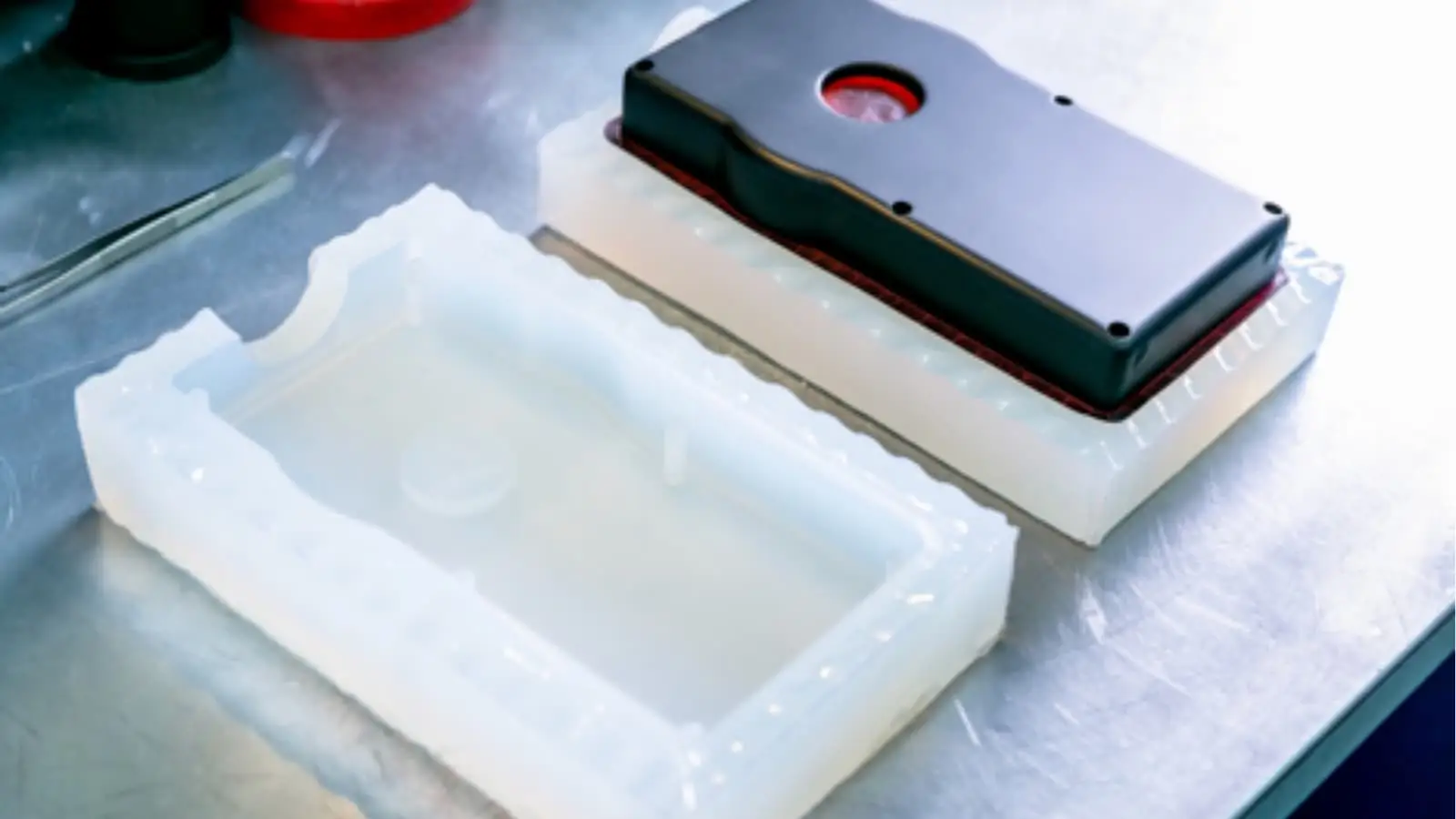
Both injection molding and urethane casting rely on mold-based processes to shape the final product.
Each method uses a mold cavity that precisely reflects the desired part’s geometry, ensuring accurate replication of complex shapes and details.
While injection molding typically uses metal molds, urethane casting relies on silicone molds—yet both aim to produce high-quality parts by filling these cavities with material.
Achievable Finishes
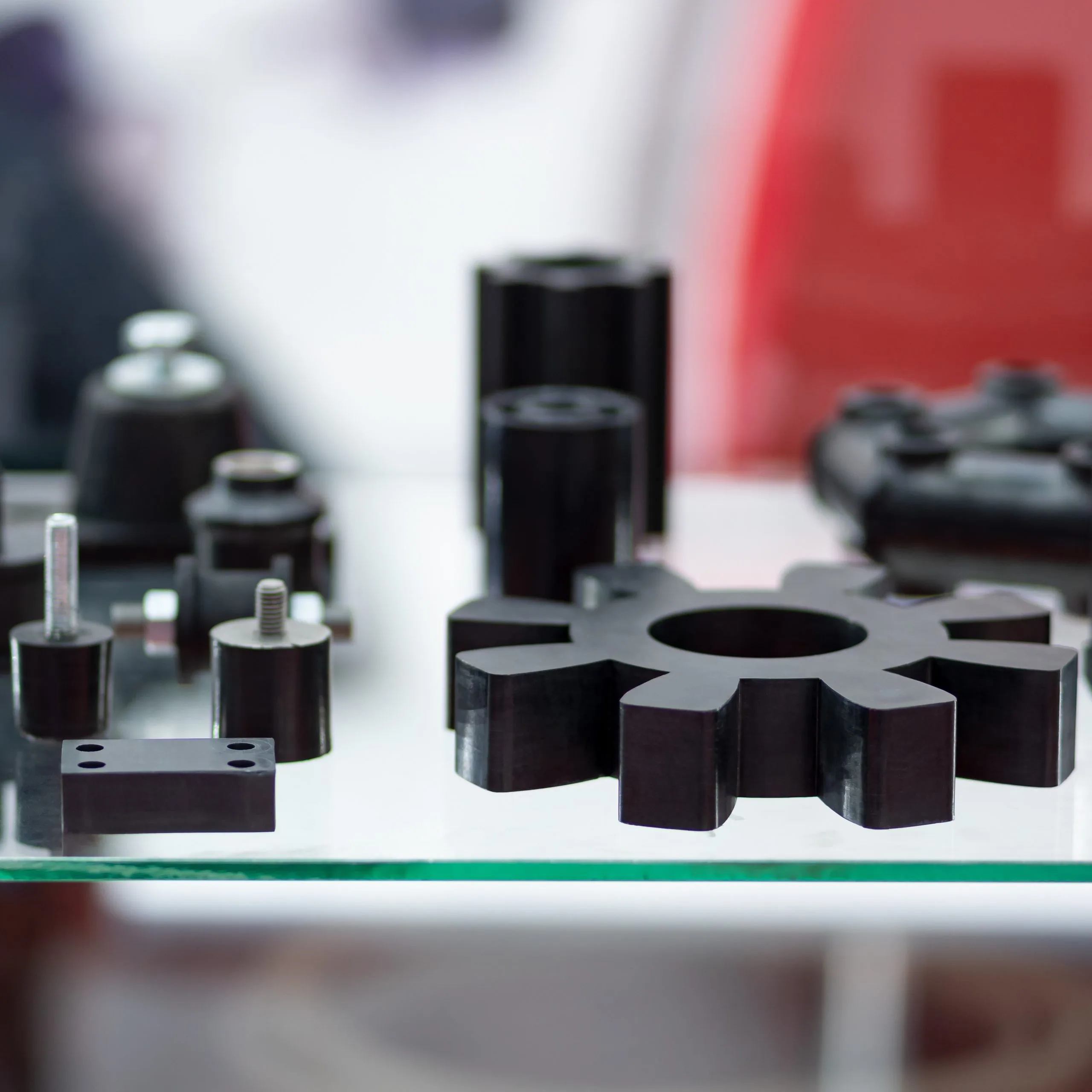
Both methods can achieve smooth, glossy finishes or textured surfaces based on mold design or additional post-processing steps.
For products requiring enhanced visual appeal, these processes allow for custom textures, matte finishes, or polished surfaces.
This versatility in finishing options enables both methods to meet varied aesthetic and functional requirements for parts, whether for prototypes, consumer products, or industrial components.
Factors to Consider When Choosing Between Injection Molding and Urethane Casting
1. Project Volume and Budget
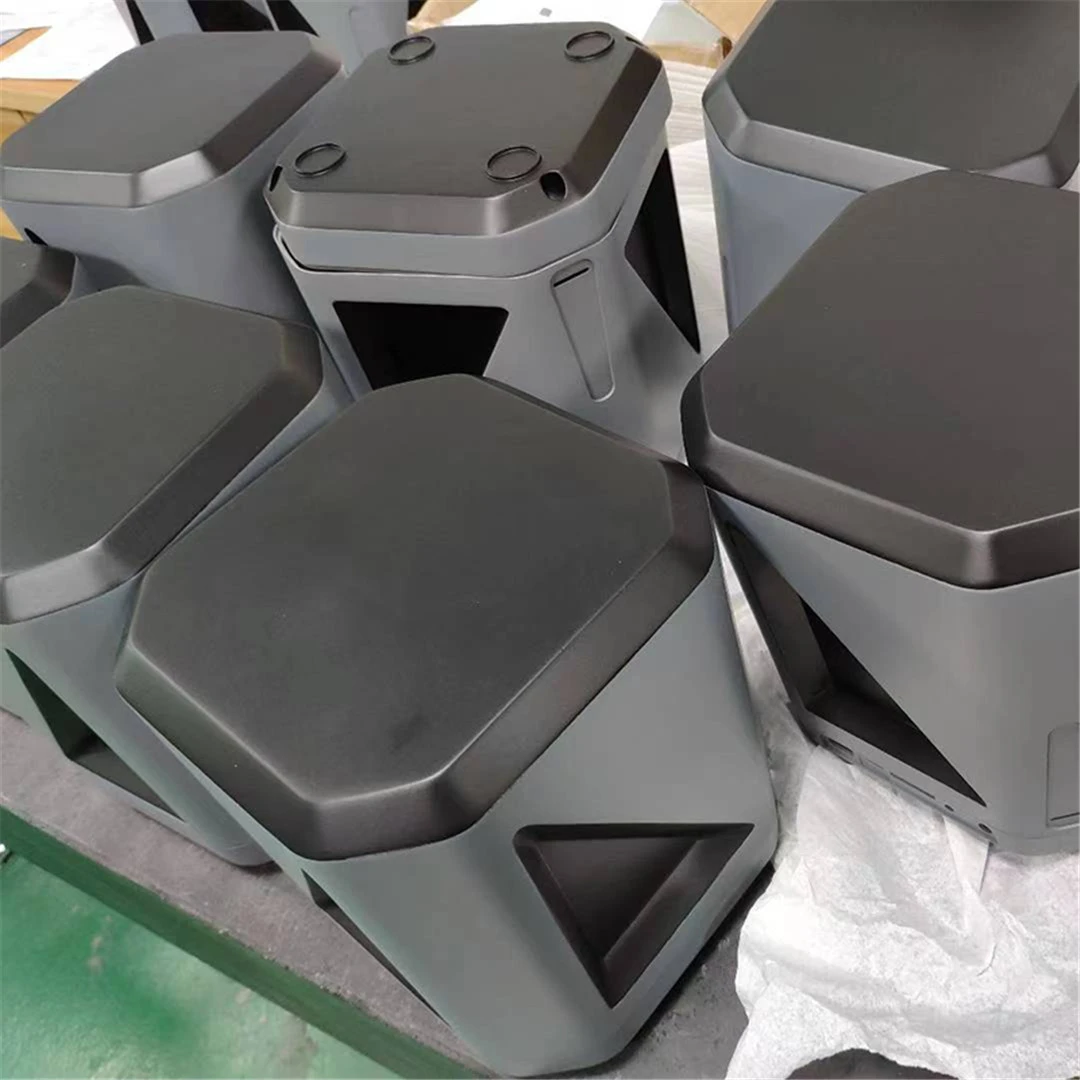
When deciding between these two processes, first consider your production volume and budget.
Injection molding involves a high upfront investment in tooling, making it more cost-effective for high-volume production due to its lower per-part cost.
Urethane casting, however, has lower tooling costs, making it suitable for low- to medium-volume runs or limited product batches.
2. Timeline and Urgency
For projects with tight timelines or rapid prototyping needs, urethane casting is ideal due to its shorter setup and lead times.
Injection molding requires a longer tooling phase but offers rapid production once molds are ready, which is efficient for long-term, high-volume projects.
3. Material Requirements

The choice of process may also depend on material properties.
Injection molding supports a broad range of thermoplastics, suitable for applications needing specific characteristics, like heat resistance or durability.
Urethane casting primarily uses polyurethanes, which provide flexibility and are ideal for parts requiring custom finishes or moderate durability but have lower resistance to heat and chemicals.
4. Design Complexity and Part Geometry
If your design involves complex geometry, undercuts, or varying wall thicknesses, urethane casting may offer more flexibility.
Its silicone molds can handle intricate shapes and fine details without additional mold mechanisms.
Injection molding, while precise, may require more complex tooling (e.g., lifters or slides) to accommodate undercuts, which can raise costs and lengthen lead times.
FAQs
Conclusion
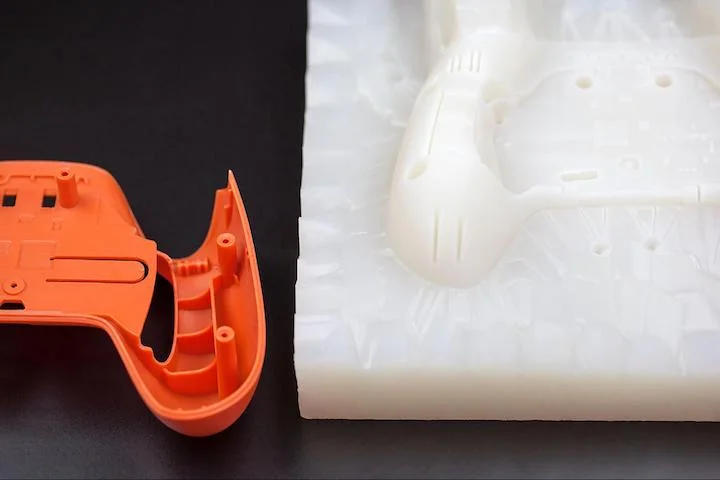
Choosing between injection molding and urethane casting depends on your project’s specific needs, like volume, budget, and timeline.
While injection molding excels in high-volume production, urethane casting offers flexibility and speed for low-volume or prototype runs.
Ready to select the best method for your project?
Reach out to discuss your requirements and find the perfect solution to bring your design to life!


 English
 Arabic
 German
 Spanish
 French
 Italian
 Javanese
 Korean
 Portuguese
 Russian
 Hindi
 Chinese
