

PVC injection molding is a widely used manufacturing process that combines precision and efficiency to create durable and versatile plastic parts.
It involves melting polyvinyl chloride (PVC) and injecting it into a mold to form products with intricate details and consistent quality.

The importance of PVC in modern manufacturing cannot be overstated.
Its durability, chemical resistance, and ability to adapt to both rigid and flexible forms make it a go-to material for industries like construction, healthcare, electronics, and consumer goods.
PVC injection molding ensures cost-effective production while meeting diverse application needs, from medical tubing to construction pipes.
Stay tuned as we dive deeper into this fascinating process!
What is PVC (Polyvinyl Chloride)?

Polyvinyl Chloride (PVC) is a highly versatile thermoplastic polymer widely used across industries.
Known for its durability, chemical resistance, and affordability, PVC can be molded into a variety of shapes and forms, making it an ideal choice for injection molding.
It is naturally rigid but can be softened with plasticizers to expand its range of applications.
Rigid PVC vs. Flexible PVC
- Rigid PVC: Offers high stiffness, impact resistance, and flame performance. It’s commonly used in construction for products like pipes, window frames, and machine housings.
- Flexible PVC: Enhanced with plasticizers for elasticity, making it suitable for applications like medical tubing, wire insulation, and garden hoses.
A Brief History of PVC
PVC was first commercialized in the 1920s by the B.F. Goodrich Company, who recognized its potential in industrial applications.
Over the decades, it has evolved into one of the most widely used plastics globally, valued for its strength, adaptability, and cost-effectiveness.
From its early use in pipes to today’s diverse applications, PVC continues to drive innovation in manufacturing.
Why Choose PVC for Injection Molding?

PVC (Polyvinyl Chloride) is an incredibly popular material in the injection molding process due to its unique advantages.
Key Advantages of PVC
Durability: PVC is known for its high impact resistance and weatherability, making it ideal for products exposed to outdoor elements. Whether it’s used for pipes or construction materials, PVC stands strong against harsh environments.
Cost-effectiveness: PVC is a highly economical material, making it a great option for both small-scale and high-volume production. Its low material cost and efficient molding process ensure manufacturers can scale production without driving up costs.
Versatility: One of the standout qualities of PVC is its flexibility. It can be molded into both rigid and flexible forms. Rigid PVC is used for sturdy, long-lasting items like window profiles and plumbing pipes, while flexible PVC is perfect for more elastic applications such as medical tubing and insulated cables.
Recyclability: PVC is one of the more recyclable plastics available. It can be reused without significant loss in quality, making it an environmentally friendly option when used correctly. It generates minimal waste during production, which contributes to more sustainable manufacturing practices.
Disadvantages to Consider
While PVC offers many benefits, there are also some disadvantages that need to be considered during the injection molding process:
Temperature Sensitivity: PVC has a relatively low melting point compared to other materials. When exposed to high temperatures during molding, it can degrade and release harmful by-products, making it unsuitable for high-temperature applications.
Environmental and Health Concerns: PVC can release toxic gases, such as dioxins and chlorine, when it is burned or decomposes. This has raised concerns about its environmental impact, particularly in its disposal. Additionally, some PVC products contain phthalates and other chemicals that can pose health risks during prolonged exposure.
Key Properties of PVC in Injection Molding
1. Melting Temperature and Thermal Stability

PVC has a low melting point between 160°C (320°F) to 260°C (500°F), making it easy to process.
However, it can degrade at higher temperatures, releasing harmful by-products.
Therefore, it’s crucial to maintain precise temperature control during molding to avoid thermal degradation and ensure consistent results.
2. Shrinkage Rates and Dimensional Accuracy

PVC has a low shrinkage rate of 0.2% to 0.6%, ensuring high dimensional accuracy after cooling.
This makes PVC an excellent choice for parts that require precise tolerances, such as pipe fittings or automotive components, reducing the need for rework and maintaining product consistency.
3. Strength, Hardness, and Chemical Resistance

PVC is strong, with high tensile strength and excellent impact resistance, particularly in rigid forms.
It also boasts superior chemical resistance, withstanding exposure to acids, alkalis, and salts, making it ideal for medical devices, industrial equipment, and plumbing applications where durability is crucial.
4. Moisture and Electrical Insulation Properties
PVC is moisture-resistant, making it ideal for products exposed to water, such as plumbing pipes and medical tubing.
It also serves as a reliable electrical insulator, protecting components from static and electrical surges, making it a top choice for cables and electronic enclosures that require electrical safety.
PVC Injection Molding Process
The PVC injection molding process is widely used to produce durable and precise plastic parts.
It involves several key steps, each requiring careful attention to ensure the quality and accuracy of the final product.
Step 1: Preparing and Drying PVC Material

Before beginning the injection molding process, the PVC material must be prepared.
While PVC is generally stable, it can absorb moisture from the air, which can affect its molding properties.
If moisture is present, it can lead to bubbles, voids, or surface defects in the final product.
- Drying: The PVC resin must be dried in a dehumidifying hopper dryer or a desiccant dryer to remove any moisture. This is typically done at temperatures between 120°F to 160°F (49°C to 71°C) for a few hours, depending on the specific resin used.
- Why it’s important: Moisture-free material ensures smoother flow and enhanced surface finish and prevents dimensional issues.
Step 2: Melting PVC with Temperature Control

Once the material is prepared, it’s time to melt it in the extruder.
This is done by using a heating system inside the barrel of the injection molding machine.
The barrel contains a rotating screw that pushes the PVC through heated sections, gradually melting it into a viscous, molten state.
- Temperature Control: Maintaining the correct temperature is crucial. PVC must be heated to a temperature range of about 345°F to 375°F (175°C to 190°C) to ensure proper melting without degrading. The exact temperature depends on the specific PVC formulation.
- Why it’s important: Proper melting ensures that the material can flow easily into the mold and form a detailed and accurate part. Too high a temperature can cause thermal degradation, while too low can lead to incomplete filling.
Step 3: Injection into Molds Using Screws and Barrels

Once the PVC is melted, it is injected into the mold cavity under high pressure.
This is done by forcing the molten material into the mold using an injection screw that is connected to the barrel.
- Injection Speed and Pressure: The screw’s rotation and the pressure applied are key to ensuring that the material flows into every detail of the mold. Depending on the part’s thickness and complexity, the speed and pressure can vary.
- Why it’s important: The right injection pressure ensures the mold is completely filled and that there are no defects, such as air bubbles or voids. The screw speed also affects the quality of the material flow.
Step 4: Cooling and Ejection of Final Parts

After the molten PVC has been injected into the mold, the next crucial step is to allow the part to cool and solidify.
Cooling is typically done using cooling channels within the mold that circulate coolant (usually water) to bring the temperature of the mold and the part down.
Cooling Time: The cooling time will vary based on the thickness of the part, mold temperature, and material type. For PVC, cooling can take from 30 seconds to several minutes.
Ejection: Once the part has cooled sufficiently and hardened, the mold opens, and the final part is ejected. This is done using ejector pins that push the part out of the mold without damaging it.
Why it’s important: Cooling is a critical step, as parts that are not adequately cooled may suffer from warping or shrinkage. Proper ejection ensures the part is removed without distortion.
Critical Parameters to Monitor During Process
Successful PVC injection molding relies not only on following the correct steps but also on keeping track of certain critical parameters.
These parameters directly influence the quality and efficiency of the molding process.
1. Barrel Temperature

Maintaining the right barrel temperature is essential for proper material flow.
If the temperature is too low, the PVC may not melt properly, leading to incomplete filling of the mold.
If it’s too high, the material can degrade or overheat.
This is why it’s crucial to monitor the temperature to ensure it stays within the optimal range.
2. Injection Speed and Pressure

The speed and pressure at which the material is injected into the mold play a significant role in achieving precision.
Too high a speed can lead to flash (excess material outside the mold), while too low a speed can result in incomplete filling or defects in the part.
3. Mold Temperature and Cooling Channels

The mold temperature affects how quickly the material solidifies.
If the mold is too hot, the material will cool too slowly, leading to longer cycle times.
Conversely, if the mold is too cold, the material will cool too quickly, leading to incomplete filling or warping.
Monitoring the cooling channels is essential to ensure uniform cooling throughout the part, preventing defects like uneven shrinkage or warping.
Design Guidelines for PVC Injection Molding
Achieving flawless results with PVC injection molding requires careful attention to design guidelines.
These ensure the part’s structural integrity, aesthetic appeal, and molding efficiency.
1. Wall Thickness: Uniformity to Prevent Warping
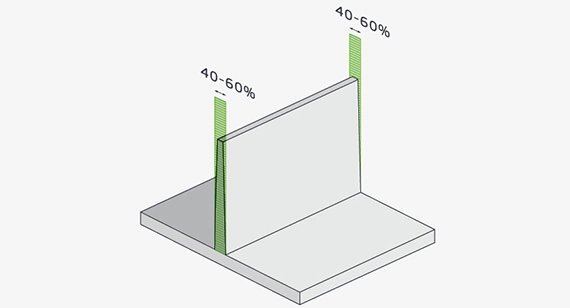
Maintaining a uniform wall thickness throughout the part is essential for avoiding defects such as warping, sink marks, or uneven cooling.
- Recommended Thickness: For injection-molded PVC, the wall thickness typically ranges between 1.27 mm and 6 mm, depending on the part’s size and application.
- Gradual Transitions: If variations in thickness are necessary, ensure a gradual transition (no more than 10-15% of the nominal thickness) to prevent stress concentrations or shrinkage marks.
2. Draft Angles for Easier Ejection
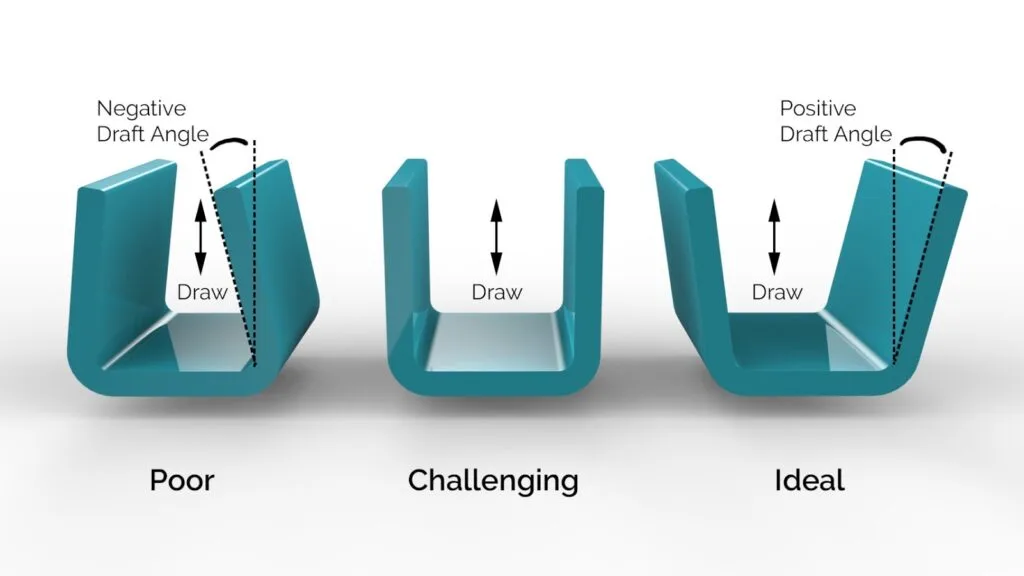
Draft angles are slight tapers applied to vertical walls to allow the part to be easily ejected from the mold.
- Recommended Draft: A draft angle of 0.5° to 1° is sufficient for most PVC parts.
- Why It’s Important: Proper draft angles reduce friction during ejection, minimize surface damage, and prevent parts from getting stuck in the mold.
3. Corner Radii to Reduce Stress Concentrations

Sharp corners in a design can cause stress concentrations, leading to cracks, reduced strength, and potential failure.
Adding radii to corners improves both the part’s durability and the mold’s filling performance.
- Inside Corners: Apply a radius of at least 25% of the wall thickness.
- Outside Corners: Use a radius equal to 75% of the wall thickness for maximum strength.
4. Mold Design for Runners and Gates

The design of the mold’s runners and gates is critical for ensuring smooth material flow and preventing defects like weld lines or air traps.
- Runners: Use circular cross-sections for consistent material flow. Include cold slug wells to trap unmelted PVC and prevent defects.
- Gate Design: For smaller parts, a needle gate or submarine gate works well. For thicker sections, a fan gate with a thickness of at least 1 mm ensures uniform filling.
Industrial Applications of PVC Injection Molding
PVC injection molding is widely used across industries due to its versatility, durability, and affordability.
1. Construction

PVC’s strength, weather resistance, and ability to form rigid structures make it a staple in the construction industry.
Common products include:
- Pipes and Fittings: Widely used in plumbing, drainage, and sewage systems for their corrosion resistance.
- Window Frames and Profiles: Durable and weatherproof, ideal for extreme environmental conditions.
- Gutters and Roofing Elements: Lightweight yet robust, providing long-term reliability.
2. Healthcare

PVC’s biocompatibility and flexibility make it indispensable in medical applications, particularly for disposable products.
Examples include:
- Medical Tubing and Catheters: Safe and flexible for various procedures.
- IV Bags: Strong yet lightweight, providing a sterile environment.
- Oxygen and Anesthesia Masks: Durable and comfortable for patients.
3. Consumer Goods

PVC injection molding is perfect for creating functional and aesthetic household items:
- Enclosures and Handles: These are found in appliances and furniture due to PVC’s impact resistance.
- Garden Hoses: Flexible and durable for everyday use.
- Furniture Parts: Lightweight yet sturdy, perfect for modern designs.
4. Electronics

PVC’s electrical insulating properties make it ideal for:
- Cable and Wire Insulation: Protects electrical components from moisture and wear.
- Connectors and Enclosures: Ensures safety while housing sensitive electronics.
5. Packaging

The packaging industry benefits from PVC’s malleability and visual appeal:
- Bottles and Blister Packs: Transparent, lightweight, and cost-effective.
- Shrink Wraps: Provide a tight, protective covering for various products.
Challenges and Solutions in PVC Injection Molding

Despite its versatility, PVC injection molding comes with its own set of challenges.
Here are some common issues and practical solutions to ensure a smooth and efficient process:
1. Degradation at High Temperatures
PVC is sensitive to excessive heat, which can lead to decomposition, releasing harmful gases like hydrochloric acid (HCl).
Solution: Maintain optimal temperature control throughout the process, ensuring the material stays within the recommended range (typically 160-190°C). Adding stabilizers helps enhance PVC’s thermal stability.
2. Surface Defects like Warping or Discoloration

Improper cooling or uneven material flow can cause warping or discoloration, affecting the part’s aesthetic and functional quality.
Solution: Implement precise cooling systems and ensure uniform material flow with appropriate injection speed and mold design. Lubricants can reduce friction and improve part quality.
Tips for Successful PVC Injection Molding

To achieve the best results in PVC injection molding, follow these practical tips that enhance efficiency and product quality:
1. Choose the Right PVC Material
- Select the Proper Grade: Use rigid PVC for structural applications and flexible PVC for softer, pliable parts.
- Incorporate Additives: Add plasticizers for flexibility, stabilizers for thermal stability, and lubricants to ease demolding.
2. Optimize Mold Design

- Leverage CAD and DFM Tools: Utilize computer-aided design (CAD) and design for manufacturing (DFM) tools to identify potential flaws early and ensure efficient material flow.
- Include Uniform Wall Thickness: Prevent warping and ensure even cooling.
- Ensure Proper Draft Angles: Facilitate easy part ejection, reducing the risk of defects.
3. Maintain Equipment Regularly
- Inspect Molds and Machines: Regular maintenance minimizes wear and ensures accurate molding results.
- Clean Cooling Channels: Keep channels free from debris to maintain efficient temperature control.
- Monitor Screws and Barrels: Ensure they are functioning correctly to avoid inconsistencies in material flow.
4. Control Process Parameters

- Precise Temperature Settings: Avoid overheating PVC to prevent decomposition and release of harmful gases.
- Moderate Injection Speeds and Pressures: These parameters should match the product’s dimensions and material properties to avoid defects like sink marks or burns.
Alternatives to PVC in Injection Molding
While PVC is a popular choice for injection molding, alternative materials like HDPE and PP offer unique properties that may better suit specific applications.
1. High-Density Polyethylene (HDPE)

- Advantages:
- Excellent moisture resistance and chemical durability.
- High impact strength with good flexibility.
- Lightweight and cost-effective for mass production.
- Applications:
- Food packaging, such as bottles and containers.
- Automotive parts, including fuel tanks and ducts.
- Outdoor products, like playground equipment.
2. Polypropylene (PP)

- Advantages:
- Exceptional fatigue resistance, ideal for parts with moving components.
- Superior chemical resistance, including against acids and bases.
- Recyclable and environmentally friendly.
- Applications:
- Medical tools like syringes and specimen containers.
- Consumer goods such as caps, closures, and hinges.
- Industrial uses, including piping systems.
3. When to Choose Alternatives Over PVC
- Temperature Stability: If the application demands higher heat resistance, materials like PP or HDPE may perform better than PVC.
- Flexibility and Fatigue Resistance: For parts requiring repeated bending or movement, PP is a more suitable choice.
- Eco-Friendliness: HDPE and PP are more recyclable and sustainable options compared to PVC.
- Cost Efficiency: Depending on production volumes, PP and HDPE can offer better cost advantages.
FAQs About PVC Injection Molding
Conclusion

PVC injection molding is a versatile and cost-effective process for creating durable, precise, and recyclable plastic parts.
With its adaptability across industries like construction, healthcare, and electronics, PVC remains a top choice for manufacturers seeking reliable and efficient production solutions.
Looking for expert PVC injection molding services?
Contact us today for high-quality, custom solutions tailored to your needs.
Let our expertise help you achieve exceptional results in your next project!


 English
 Arabic
 German
 Spanish
 French
 Italian
 Javanese
 Korean
 Portuguese
 Russian
 Hindi
 Chinese
